Best guitar amp plugins in 2026 (free and paid)
The sound of an electric guitar isn’t really the amp — it’s a cranked amp pushing a speaker cabinet, with a microphone in front of it, in a room. That whole chain is what a guitar amp plugin recreates, so you can plug a guitar straight into your interface and get a mic’d-cab tone in your headphones without the cab, the mic, or a room loud enough to annoy the neighbors. Here are the best guitar amp plugins in 2026 — professional modelers and free picks you can install in one click — for recording, practicing and finishing tracks silently.
This is the amp-simulator deep-dive: which plugins model an amp best, how the head, cab and mic each shape the tone, and how to pick one. For the wider toolkit — drive pedals, multi-effects and tone-matching — see our roundup of the best guitar plugins.
Top picks at a glance:
- Best overall: Neural DSP Archetype series — studio-grade, artist-voiced amp models.
- Best value: IK Multimedia AmpliTube 5 — a huge library of amps and cabs.
- Best free: Neural Amp Modeler (NAM) — load real-amp captures for nothing.
- Fastest produced tone: Ampknob (Bogren Digital) — one knob to a mix-ready sound.
- Best for high-gain: Burning Stones and the Q-Series — tight, heavy amps that stay defined.
How we choose: we rank on sound, workflow and value — tested in real mixes, free and paid on merit, not by brand.
What an amp sim actually models
An amp sim (amp simulator) is software that recreates the four stages of a real guitar rig, and knowing those stages makes every pick below easier to judge. First the amp head shapes the tone and gain, the knobs you’d turn on a real amp. Then the power amp adds the compression and feel you get when a tube amp is pushed hard. Next comes the cab IR (impulse response — a digital snapshot of a real speaker cabinet mic’d up in a room), and finally the mic: which microphone, and where it sits on the speaker. Point it at the center of the cone for a brighter, tighter sound, or move it out to the edge for a warmer one.
That last half matters more than most beginners expect. A great amp head model through a poor cab IR still sounds fizzy and fake, because the cabinet and mic shape most of what your ear reads as “a real amp.” It’s why the best plugins ship carefully captured cabs and movable mic positions, not one fixed speaker sound.
You feed the whole chain a DI signal (direct input — your guitar plugged straight into the interface, no amp). Because that dry DI is what gets recorded, you can change the amp sound completely after you’ve played the part, or run it through a second rig later. That last move is reamping, and it’s a big reason to track with amp sims at all.
Amps split by how much gain they make. Clean and edge-of-breakup amps stay mostly transparent and only crackle when you dig in, which suits funk, blues and pedal platforms. High-gain amps pile on saturation for rock and metal, where the hard part is keeping the low end tight instead of a mushy rumble. Many players pair a clean amp with a separate overdrive; our roundup of the best distortion plugins covers that side.
The 10 best guitar amp plugins
1. Neural DSP Archetype series
Archetype plugins are the tone most modern players chase, and the reason is how finished they sound with no tweaking. Each one is built around a named guitarist, with the amp, pedalboard and cab captures dialed in alongside the artist, so loading an Archetype gives you their whole rig as one polished sound rather than a pile of parts. That’s why they turn up on so many rock and metal releases. You get a mix-ready tone in seconds and adjust from there. They’re paid and priced like pro gear, but nothing else feels this dialed-in on day one.
2. Ampknob (Bogren Digital)


The Ampknob line is the fastest route to a produced amp tone, and Ampknob RevC is the purest form of it — one knob. Plug in a DI, turn it up, and you get a heavy, mix-ready sound that would normally need a mic’d stack and an engineer, because Bogren Digital (led by metal producer Jens Bogren) baked the head, cab, mic and post-processing into a single control. From there the range opens up to more tones: BDH III for a modern classic voicing, the BDM 800 Badboy for rhythm and lead, and the BDH 5169 when you need outright high-gain. Best for players who want the sound without the setup.
3. IK Multimedia AmpliTube 5
AmpliTube 5 has the widest amp-and-cab selection in software, which is its whole appeal. You get a huge library of heads, cabinets, mics and pedals — many officially licensed from real gear makers — plus custom IR loading and movable mic placement, so you can rebuild a specific studio setup or invent one. That depth is also the catch: it can overwhelm if you just want a tone fast. It’s paid, but the free AmpliTube 5 Custom Shop tier gives you a working rig and a store to add amps later.
4. AmpKit


AmpKit, by the team at Ultimate Guitar, is a full rig in one plugin — stompboxes into an amp head into a cab and mic, with rack effects after. Because you mix and match every stage, one plugin covers glassy cleans, edge-of-breakup crunch and modern high-gain. It’s the pick when you want to build a tone from the ground up and hear how each pedal and mic position changes it, which makes it as good for learning what a rig does as for tracking a finished part.
5. STL Tones Tonality
Tonality is STL’s artist-signature line, and it competes directly with Neural DSP for polished high-gain. Each Tonality plugin is voiced with a specific guitarist or producer, bundling their amps, cabs and IRs into a rig aimed at a recognizable modern-metal sound. The draw matches an Archetype, a release-ready tone with very little dialing, and a deep IR mixer lets you blend cabs and mic positions once you do want to shape it. It’s paid, and a strong alternative when the artist voicing you’re after lives in STL’s catalog rather than Neural’s.
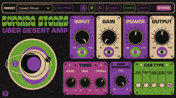
6. Burning Stones


Burning Stones is a dedicated high-gain amp for heavy, saturated tones — think stoner, desert and modern metal. The hard part of any high-gain sim is keeping the low end tight: pile on gain and most amps turn to a flubby rumble. Burning Stones holds the bottom together so palm-muted riffs stay percussive even with the gain maxed, which is the difference between a wall of noise and a heavy tone that still reads clearly in a mix. Reach for it when a track needs weight and aggression without losing definition, and pair it with a boost in front for even tighter chugs.
7. Neural Amp Modeler (NAM)
Neural Amp Modeler changed what “free” means for amp tone. It uses machine learning to capture real amps, pedals and full rigs, and its community shares thousands of those captures online, so you load a snapshot of a specific real amplifier and play through it for nothing. In 2026 the best captures rival paid plugins outright. The trade-off is that it’s a player, not a rig-builder: you load other people’s captures instead of turning amp knobs, and some profiles are amp-only, so you’ll want a separate cab IR loader. For chasing a particular real amp on a budget, nothing free comes close.
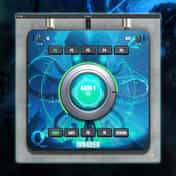
8. Q-Series (Invader / Carnage)


The Q-Series plugins are purpose-built high-gain amps for players who know the sound they want and would rather not wade through a hundred models to find it. Q-Series Invader leans toward a focused, aggressive lead and rhythm voicing, while Q-Series Carnage pushes into heavier, more saturated territory. Each is a complete amp with head, cab and mic in one, so you land a finished heavy tone fast, then fine-tune gain and EQ to seat it in the track. They fit when a single, dependable metal amp beats a sprawling suite you’ll never fully explore.
9. Native Instruments Guitar Rig 7
Guitar Rig 7 is the most creative rack of the group. Alongside its 26 amps and matching cabs sits a deep set of modulation, delay, pitch and effects modules you can chain in any order, which makes it as useful for ambient and experimental guitar, or for processing synths and vocals, as for a straight amp tone. It leans more toward sound design than photo-real amp modeling, so it’s the pick when you want texture and movement over one faithful vintage amp. A free Player edition gets you started before the full version.
10. MLC S_Zero 93 (Silenoz signature)


The MLC S_Zero 93 is a signature amp voiced with Silenoz of Dimmu Borgir, for when you want a specific boutique high-gain character rather than a do-everything head. Its crunchy, aggressive voicing suits black and extreme metal, with the cab and mic already tuned to sit that tone in a dense mix. Like the other one-amp plugins here, it puts a produced sound close to the surface. Plug in, set the gain, and the heavy lifting is done, with room left to shape the EQ to your guitar and pickups.
Best free amp plugin
You can build a real amp tone without spending anything. Neural Amp Modeler is the top free pick for realism. Load a community capture of an actual amp and you’re playing through it, and the best now hold up next to paid plugins. Ignite Amps Emissary is a superb free high-gain amp that many metal engineers rate as the best free sim there is, and its free NadIR cab IR loader pairs with it (or any amp-only capture) to supply the speaker-and-mic half. Beyond those, Blue Cat’s Free Amp and LePou are long-serving free amps used on released records. “Free” here means price, not quality.
How to choose
Start from how much you want to tweak. If you want a great amp tone now, go one-knob or signature-first: Ampknob RevC for instant produced heaviness, a Neural DSP Archetype or STL Tonality for an artist’s whole rig in one load. If you’d rather build and mic a rig piece by piece, a deep suite like AmpliTube 5, AmpKit or Guitar Rig 7 rewards the time with far more control over cab and mic choice. Chasing one specific real amp? Neural Amp Modeler captures get you there for free. And because every amp above takes a DI, you’re never locked in. Record the dry signal and reamp through a different plugin whenever the mix asks for it.
Comparison table
| Plugin | Type | Price | Best for |
|---|---|---|---|
| Neural DSP Archetype series | Amp sim (artist rigs) | Paid | Finished rock/metal tones fast |
| Ampknob (Bogren Digital) | Amp sim (one-knob → signature) | Paid | Instant produced heavy tone |
| IK AmpliTube 5 | Multi-amp suite | Free tier + paid | The deepest rig and mic control |
| AmpKit | Amp + FX rig | Paid | Building a full rig in one plugin |
| STL Tones Tonality | Amp sim (artist rigs) | Paid | Polished high-gain alternatives |
| Burning Stones | High-gain amp sim | Free | Tight, heavy rhythm tones |
| Neural Amp Modeler | Capture player | Free | Free, realistic real-amp tones |
| Q-Series (Invader/Carnage) | High-gain amp sim | Paid | A dependable single metal amp |
| NI Guitar Rig 7 | Multi-amp rack | Free tier + paid | Creative and ambient guitar FX |
| MLC S_Zero 93 | Signature high-gain amp | Paid | Boutique extreme-metal character |
FAQ
Are amp sim plugins as good as a real amp? For recording, yes. Modern amp sims model the head, power amp, cabinet and mic accurately enough to use on released tracks, and most of the realism comes from the cab IR and mic placement. You lose the physical feel of a loud amp moving air, but you gain silent tracking, instant recall and the ability to change the amp after the take.
Do I need a separate cab IR? Usually not. Full plugins like Ampknob, AmpKit, Neural DSP Archetypes and the Q-Series already include cabs and mics, so nothing extra is needed. You only load a separate cab IR when you’re using an amp-head-only plugin or a raw amp-only capture (as some Neural Amp Modeler profiles are), or when you want to swap in a different speaker-and-mic sound. A free loader like NadIR handles that job.
What’s the best free amp sim plugin? Neural Amp Modeler, for the sheer range of real-amp captures the community shares, and the best of them now rival paid plugins. Ignite Amps Emissary is the standout free high-gain amp, and Blue Cat’s Free Amp and LePou are dependable free options too.
What is DI reamping? Reamping means recording your guitar’s dry DI signal, then running that recording through an amp sim afterward. Because the DI holds the raw performance, you can audition different amps, adjust gain and even re-mic the cab long after you played the part, so you commit to the notes now and the tone later.
Next steps
- Want the wider toolkit — pedals, multi-FX and tone-matching? Read the best guitar plugins.
- Adding drive in front of a clean or edge-of-breakup amp? See the best distortion plugins.
- Browse more amps and effects in the MuseHub plugins catalog.
Most of the amps above — the full Ampknob range, AmpKit, Burning Stones, the Q-Series, the MLC signature amps and hundreds more — install in one click with MuseHub. Download MuseHub free and get a mic’d-cab amp tone in your own session.