Best synth plugins in 2026 (free and paid)
A synth plugin can make almost any sound: a deep bass, a bright lead, a slow evolving pad. The reason there are so many is that each is built around a different way of making that sound. Pick by the synthesis type behind the plugin and the choice gets simple, because you’re really choosing the sound you want, then the synth that produces it best. Here are the best synth plugins in 2026, a mix of professional flagships and free picks you can install in one click, for basslines, leads, chords, pads and sound design.
This roundup covers the whole shelf (analog, wavetable, FM, additive, granular and evolving-pad synths): what each type does, which plugin does it well, and how to pick the one that matches the sound in your head.
Synth plugins on MuseHub


Top picks at a glance:
- Best overall: Xfer Serum 2, the do-everything wavetable standard.
- Best free: Vital, a pro-grade wavetable synth at no cost.
- Best for analog warmth: BA-1, a subtractive synth with vintage character.
- Best for evolving pads: Elysa Morph and Aether Drift.
How we choose: we rank on sound, workflow and value, tested in real sessions; free and paid on merit, not by brand.
What to look for in a synth plugin
If you’re short on time: Serum 2 and Arturia Pigments are the do-everything wavetable standards, Vital is the best free one, Spectrasonics Omnisphere rules cinematic sound design, and u-he Diva is the benchmark for analog warmth. On MuseHub, the picks below each specialize in one synthesis type, and knowing those types is what makes the whole list easy to judge, so here’s the short version.
Every synth is built from the same four blocks. The oscillator generates the raw tone, the waveform (saw, square or sine) that everything else shapes. The filter removes or boosts frequencies to set how bright or dark the sound is; sweeping a filter open is the classic synth “wah.” The envelope (or ADSR, for attack, decay, sustain and release) controls how a note evolves from the moment you press a key to when you let go, so a sound can stab, pluck or slowly swell. The LFO (low-frequency oscillator) is a slow, repeating modulator that animates a parameter continuously: a wobble on the pitch, a pulse on the filter.
What separates one synth from another is mostly the oscillator: how it makes sound in the first place. The main families:
- Subtractive (virtual analog) starts with a rich oscillator and subtracts with a filter — the warm sound of classic hardware, and a great place to learn.
- Wavetable scans through a table of single-cycle waveforms, so the tone morphs as you sweep it. It’s the modern pop and EDM standard for moving, expressive sounds.
- FM (frequency modulation) uses one oscillator to modulate another’s pitch, producing the metallic, bell and electric-piano tones a filter alone can’t reach.
- Additive works the opposite way to subtractive: you stack and shape individual harmonics (the partials that make up a tone) instead of filtering a full waveform down.
- Granular chops a sample into tiny grains and re-scatters them into clouds and textures, the basis of much modern ambient and cinematic sound design.
- Evolving / pad synths layer engines that drift and modulate over time, for lush, cinematic sounds that never sit still.
You play all of them the same way, over MIDI, from a keyboard or your DAW’s piano roll. If that part is new, our guide to what MIDI is covers how the notes you draw get turned into synth sound. And you don’t need a budget to start. Two of the ten below, plus more on MuseHub, are free.
The 10 best synth plugins
1. Xfer Serum 2
Serum is the wavetable synth most producers reach for first, and Serum 2 (a 2025 rebuild) is why it stays there. A wavetable oscillator scans through a table of waveforms, and Serum shows you that table as a moving 3D image, so you see the sound change as you sweep it, which makes it the easiest deep synth to learn by eye. Version 2 added extra engines and a large modulation system on top of the biggest preset and tutorial ecosystem of any soft synth. It’s paid, and it can sound over-familiar in EDM because everyone uses it, but nothing else matches its blend of visual clarity and depth.
2. BA-1

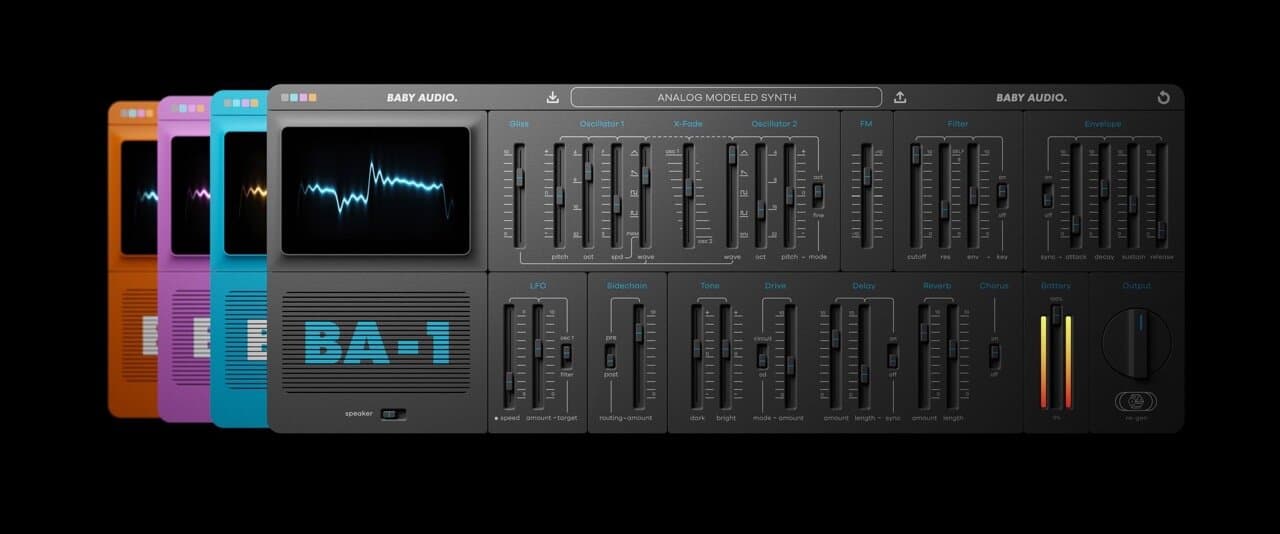
BA-1 is a subtractive, analog-modeled synth — the family to start with when you want the warm, familiar sound of classic hardware. It takes a harmonically rich oscillator and shapes it with a filter and envelope, so a few knobs get you fat basses, round leads and vintage chords without menu-diving. That directness is the point. Subtractive synths reward tweaking by ear, so you learn what a filter and envelope actually do while you play. It covers the ground of the paid analog benchmark, u-he Diva, and installs in one click on MuseHub. Reach for it when a track needs analog weight, not digital sparkle.
3. Vital
Vital is the free synth that made “free” stop meaning “limited.” It’s a wavetable synth in the Serum mold (the same visual, modulate-anything workflow), but its core version costs nothing, so a beginner gets a professional-grade instrument with no outlay. A standout is spectral warping, which reshapes the oscillator’s harmonics for tones that run from clean to mangled, and you can draw or import your own wavetables. Paid tiers add presets and content, but the free version is a real production tool, not a demo. If you’re choosing your first serious synth, start here.
4. LeadOff Jr

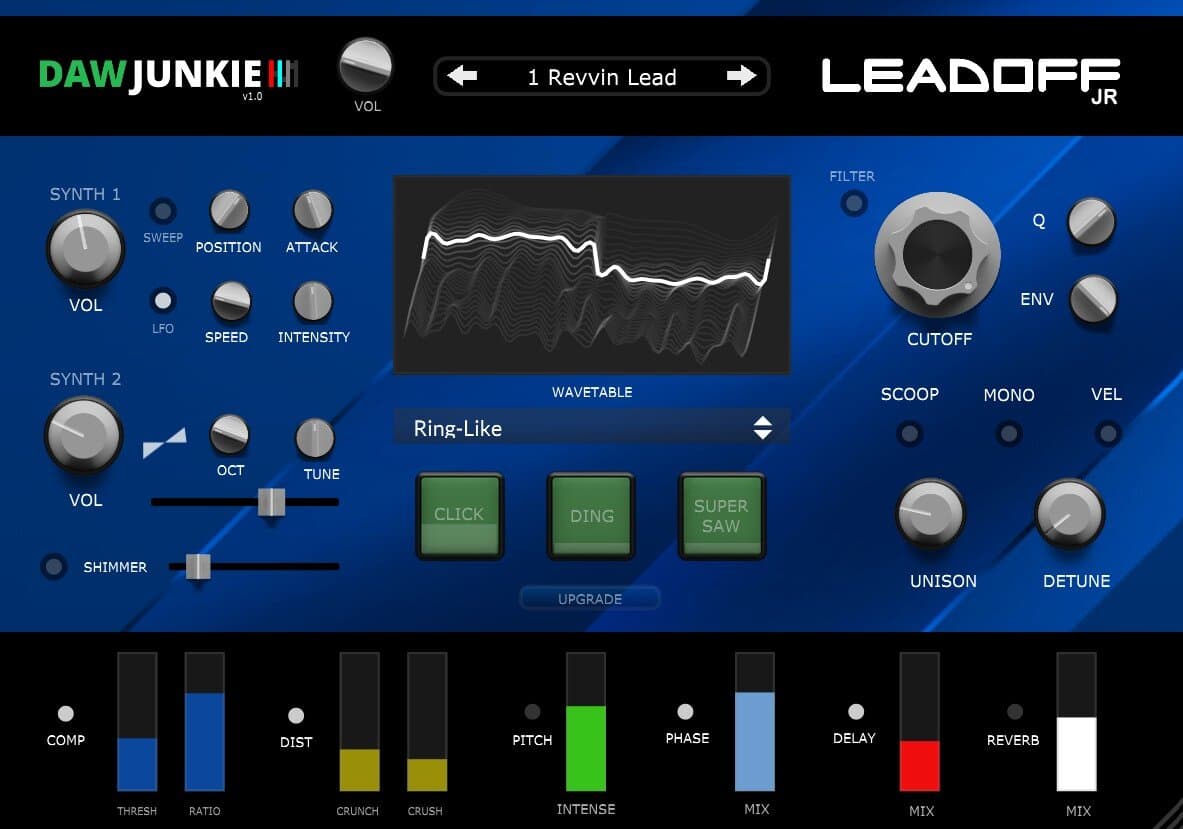
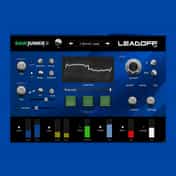
LeadOff Jr is a wavetable synth built for one job, expressive lead lines, and that focus is what makes it fast. Where a flagship like Serum asks you to build a lead from a blank patch, LeadOff Jr’s wavetable oscillator and streamlined controls are already voiced for cutting melodies, so you land a hook without wading through hundreds of parameters. It’s the pick when you know you want a bright, singing lead and would rather shape it in seconds than learn a whole synth first, often the faster route to a finished part. It’s a click away on MuseHub.
5. Arturia Pigments
Pigments is the do-everything synth producers pick when they want one instrument to cover any sound. It runs several synthesis engines (wavetable, virtual analog, granular and more) in one clear, colorful window, so you can combine a wavetable oscillator with a granular one and modulate everything from a single page. That breadth, plus a slightly warmer character than Serum, is why it turns up on cinematic, pop and electronic tracks alike. It’s paid, and its depth takes time to learn, but as a single synth to grow into it’s hard to beat.
6. Colours

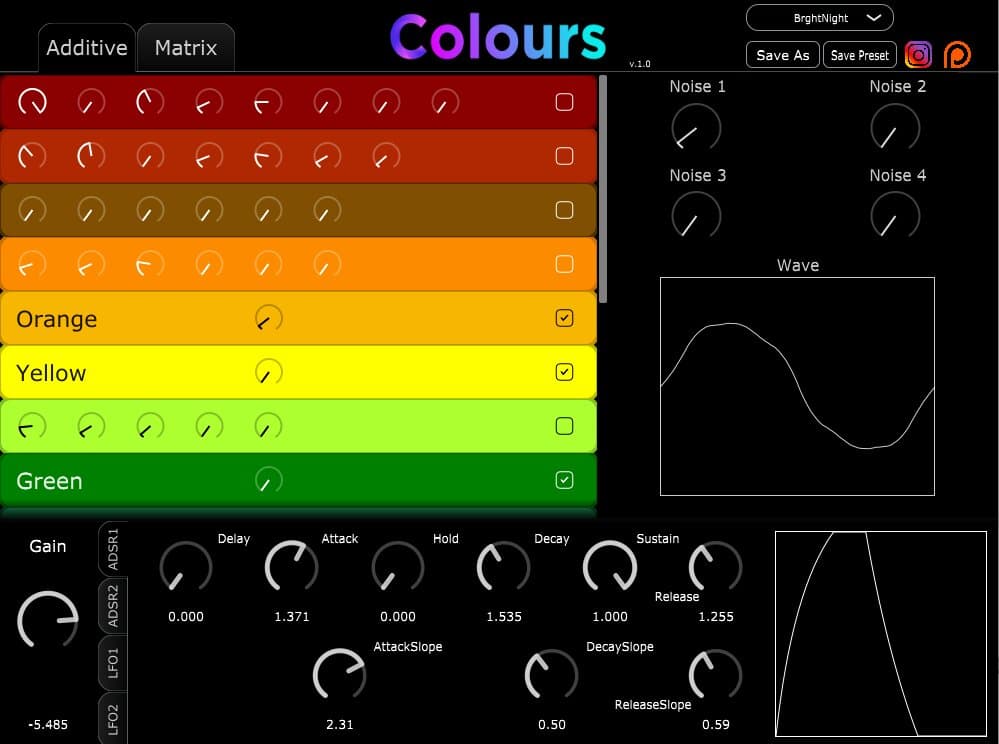
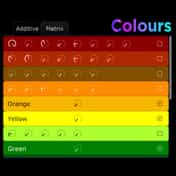
Colours is an additive synth, which builds sound the opposite way to the analog picks above — instead of filtering a full waveform down, you stack and shape individual harmonics to construct a tone from the ground up. That reaches sounds a subtractive synth can’t easily make (glassy bells, shimmering pads and precise digital timbres) with control over each partial. It’s a different way of thinking about a patch, and a useful one when a track needs a clean, complex tone rather than analog grit. Add it in one click and explore a corner of synthesis most flagships barely touch.
7. Pixels

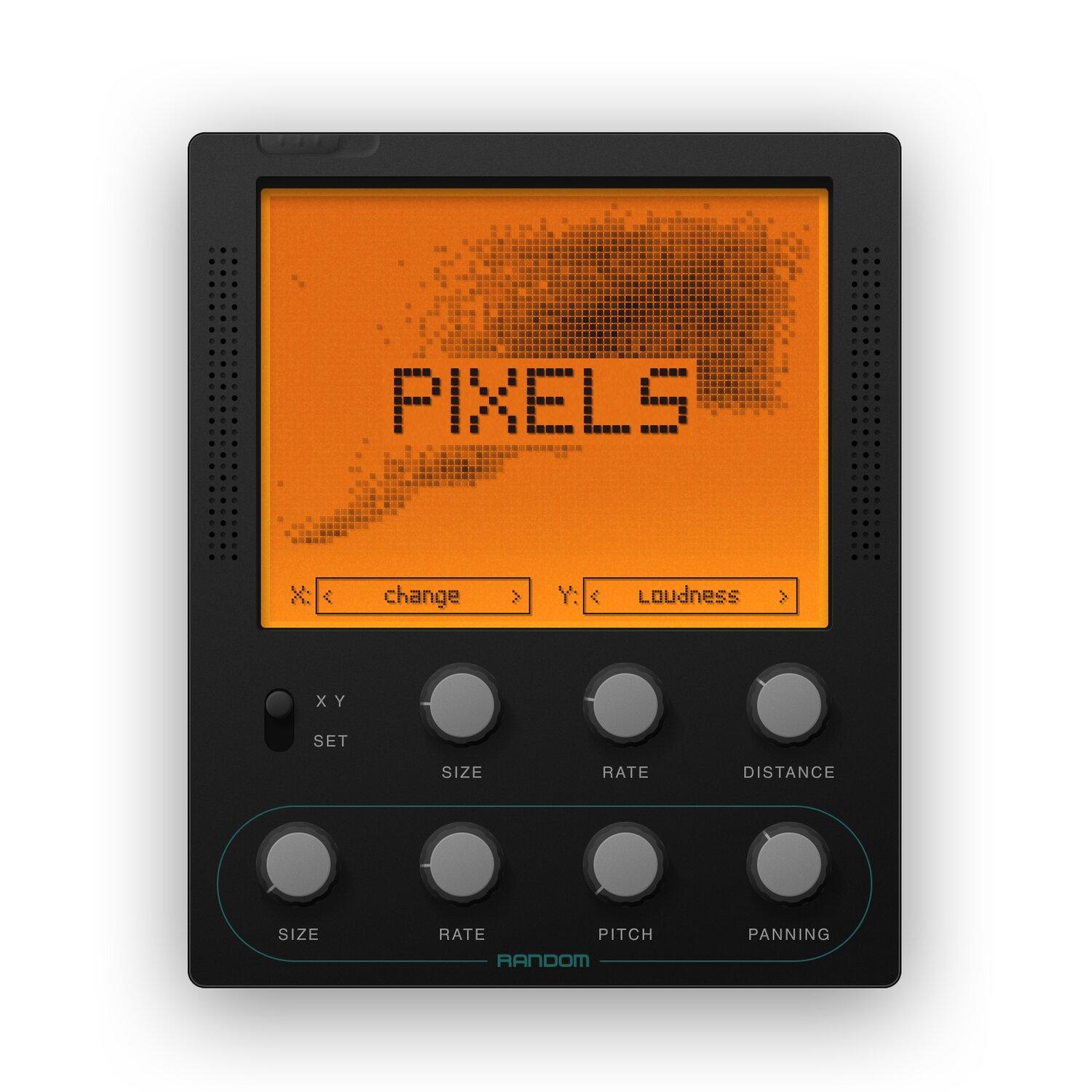
Pixels is a granular synth, and granular is the technique behind a lot of modern ambient and cinematic texture. It takes a sample, chops it into tiny grains and re-scatters them into evolving clouds you can stretch, pitch and smear far past the original sound. Its sound-descriptor mapping lets you steer those textures by feel instead of tweaking raw grain parameters, which makes an intimidating type of synthesis approachable. Reach for it when you want atmosphere and motion (an evolving bed under a track) rather than a straight played note. It’s one click away on MuseHub.
8. Spectrasonics Omnisphere
Omnisphere is the synth professional sound designers reach for when a track needs something huge or cinematic. It pairs a giant library of sampled and synthesized sources with deep synthesis on top, so it spans realistic textures, otherworldly pads and evolving atmospheres, which is why it’s a fixture in film, TV and game scoring. Omnisphere 3 keeps its crown as the most widely used soft synth for pro sound design. It’s expensive and carries a real learning curve, so it’s overkill as a first synth, but for depth and range of ready-made sounds, little else compares.
9. Elysa Morph

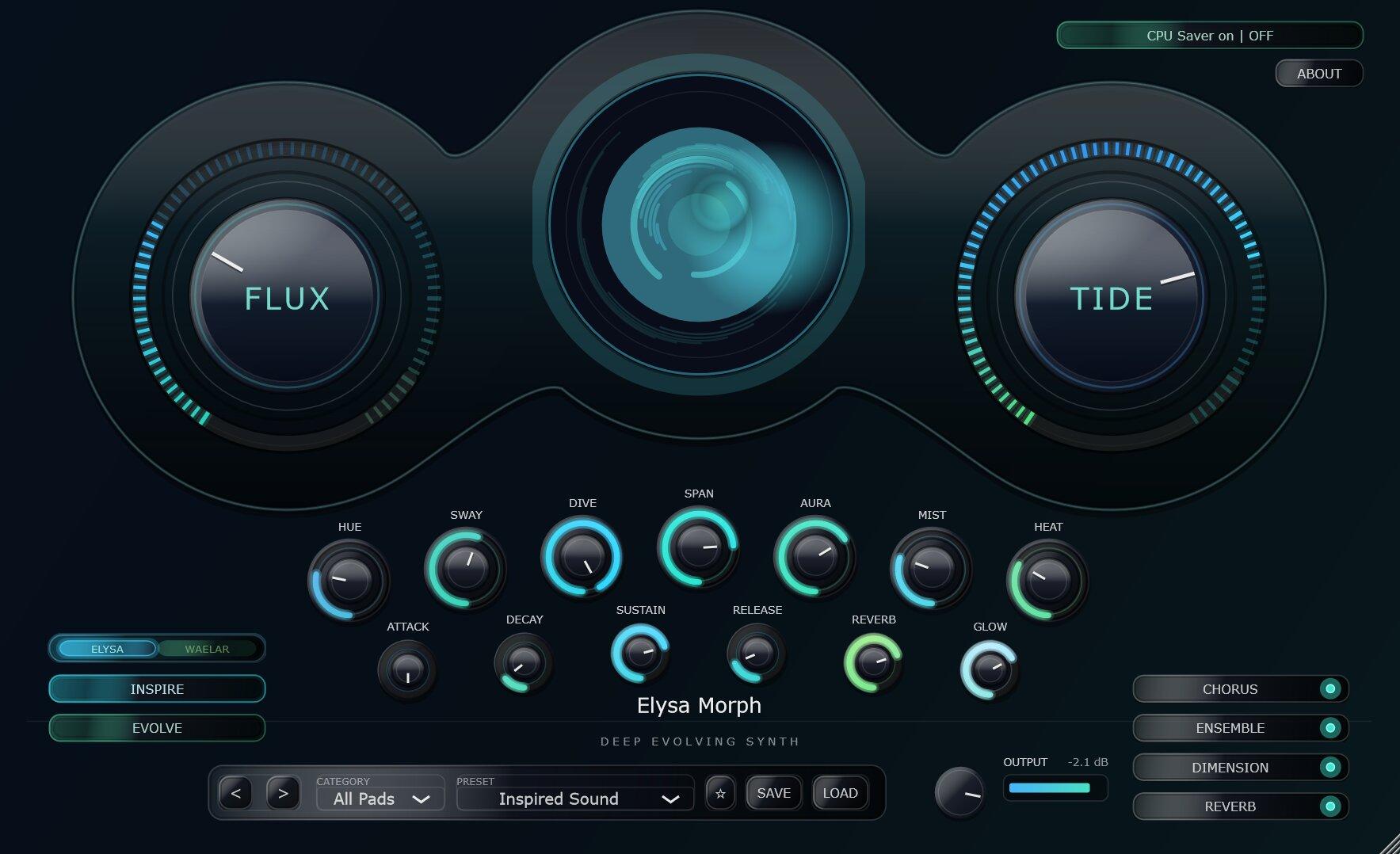
Elysa Morph is a deep evolving synth, built for sounds that move and change while they play rather than sitting still. It layers and morphs between engines over time, so one held chord can drift from a soft pad into a richer, more animated texture on its own — the movement that makes a pad feel alive instead of static. That suits cinematic cues, ambient beds and any track that wants atmosphere with built-in motion, covering the ground people buy Omnisphere for. Hold a note, let it evolve, and shape where it goes. It’s one click away on MuseHub.
10. Aether Drift

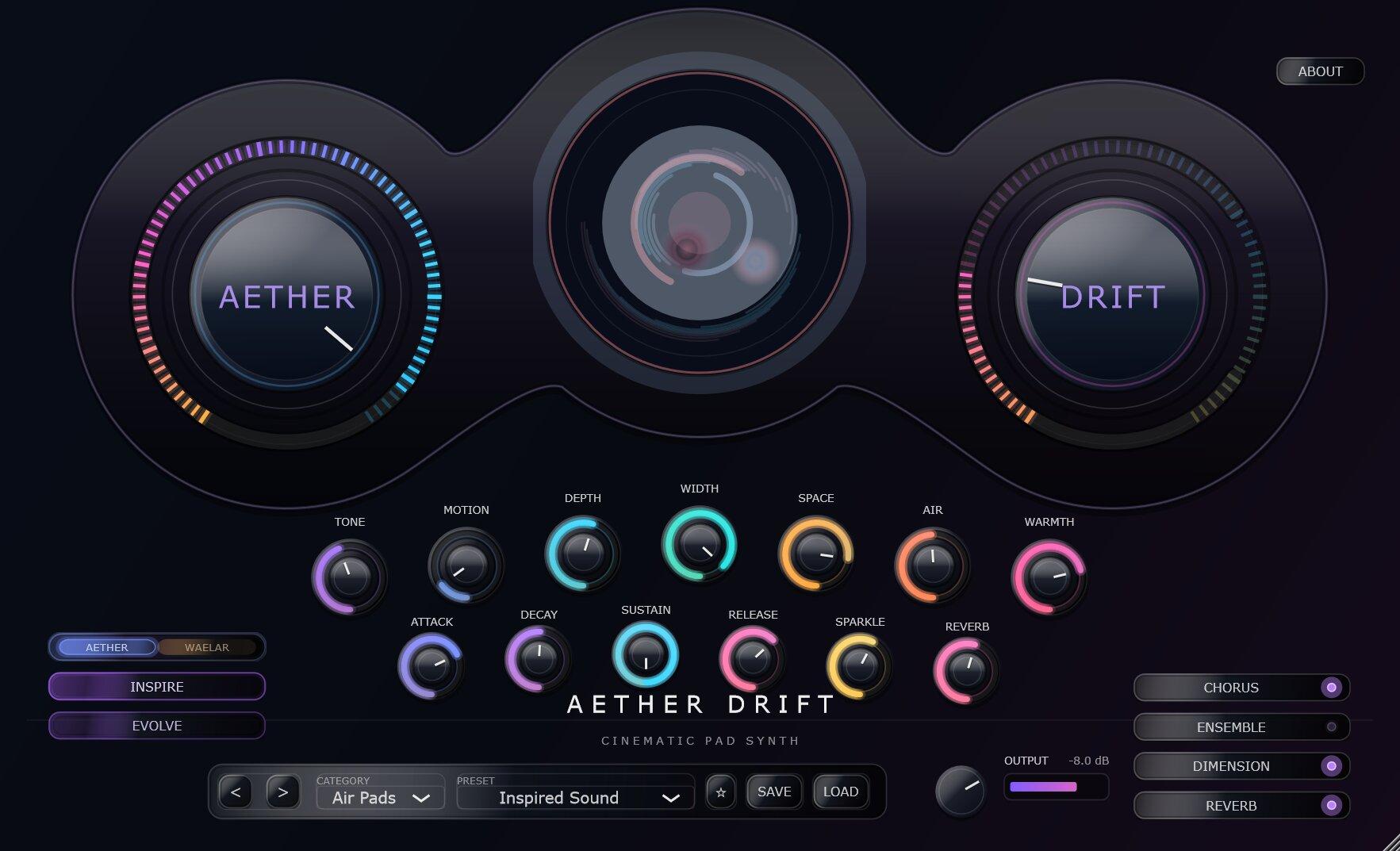
Aether Drift is a cinematic pad instrument, and the most direct route on this list to instant atmosphere. Where a flagship asks you to build a pad from scratch, Aether Drift produces lush, slowly shifting textures the moment you play a chord, so you get a film-score bed under your track without deep sound design. It pairs naturally with a lead or piano that needs air and space around it, and it’s the fast option when you want mood rather than a synth to program. Install it in one click and hold a chord to hear where it drifts.
Best free synth plugin
You can build a full synth palette without spending much. Vital is the top free pick, a wavetable synth good enough for released tracks, with an upgrade path if you outgrow the free tier. Surge XT is another, an open-source hybrid synth with subtractive, FM and wavetable engines and a big, constantly updated preset library. For the full rundown of no-cost options, including which MuseHub synths install free, see our roundup of the best free synth plugins. “Free” here means price, not quality.
How to choose
Start from the sound you want, not the synth. Need analog warmth, a fat bass or a vintage lead? A subtractive synth like BA-1 (or the paid Diva) gets you there fastest. Want one synth to do everything and grow into? A multi-engine flagship like Serum 2, Pigments or free Vital rewards the time. Chasing atmosphere and movement? Reach for an evolving-pad or granular synth: Elysa Morph, Aether Drift or Pixels. Working in a specific style? Capysynth is tuned for lofi and house, Diffusia for drones and dark ambient, and LeadOff Jr for bright leads. Most producers end up with two or three: one analog workhorse, one wavetable flagship, one texture or pad synth. And don’t try to learn them all at once: pick one, spend a couple of weeks with it, then add the next.
Comparison table
| Plugin | Type | Price | Best for |
|---|---|---|---|
| Xfer Serum 2 | Wavetable | Paid | The do-everything modern standard |
| BA-1 | Subtractive / analog | Paid | Warm analog bass, leads and chords |
| Vital | Wavetable | Free | The best free synth to start on |
| LeadOff Jr | Wavetable lead | Free | Fast, expressive lead lines |
| Arturia Pigments | Multi-engine | Paid | One synth to cover any sound |
| Colours | Additive | Free | Glassy bells and clean digital tones |
| Pixels | Granular | Paid | Evolving textures and atmospheres |
| Spectrasonics Omnisphere | Hybrid / cinematic | Paid | Huge cinematic sound design |
| Elysa Morph | Evolving synth | Free | Pads that move on their own |
| Aether Drift | Cinematic pad | Free | Instant film-score atmosphere |
FAQ
What is a synth plugin? A synth (synthesizer) plugin is software that generates sound electronically inside your DAW, rather than recording a real instrument. You play it over MIDI (from a keyboard or the piano roll), and it builds each note from an oscillator, filter, envelope and LFO. One plugin can produce basses, leads, chords, pads and effects, which is why a single good synth covers so much ground.
What’s the best free synth plugin? Vital, for most people, a wavetable synth on par with paid instruments, free at its core tier. Surge XT is the best open-source option, with subtractive, FM and wavetable engines in one. Both are used on real records, so “free” is a price here, not a quality ceiling.
Serum or Vital — which should I get? They work almost the same way, so it comes down to budget and ecosystem. Vital is free and does most of what a producer needs. Serum 2 costs money but has the largest preset and tutorial library of any synth, which shortens the learning curve. Start with Vital, then move to Serum (or Pigments) if you want the bigger ecosystem.
What synth should a beginner start with? One, and only one, until it’s second nature. A free wavetable synth like Vital or a simple subtractive one like BA-1 teaches the core controls (oscillator, filter, envelope, LFO) without overwhelming you. Flagships like Native Instruments Massive X and LennarDigital Sylenth1 are worth adding later, but learning one synth well beats owning ten.
Next steps
- New to playing synths in your DAW? Read what MIDI is and how it drives every synth here.
- Want the no-cost picks in depth? See the best free synth plugins.
- Browse more instruments in the MuseHub plugins catalog.
Most of the synths above (BA-1, LeadOff Jr, Colours, Pixels, Elysa Morph, Aether Drift and hundreds more) install in one click with MuseHub. Download MuseHub free and start building sounds in your own session.