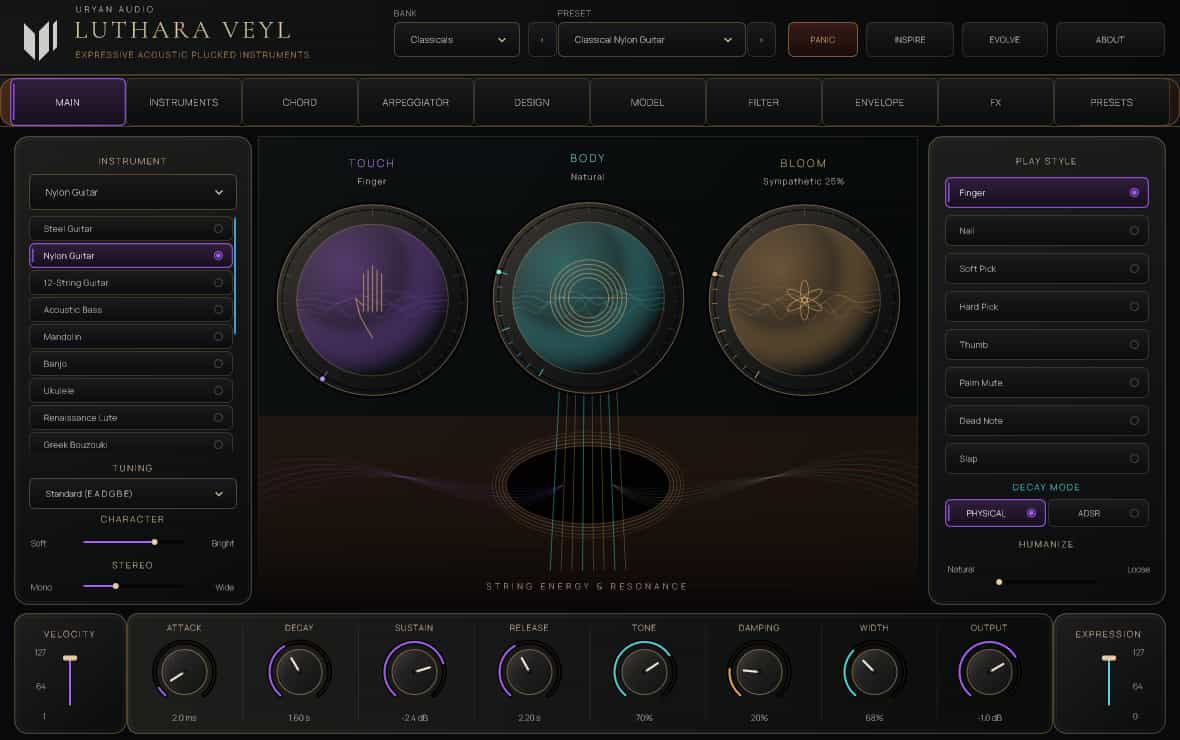
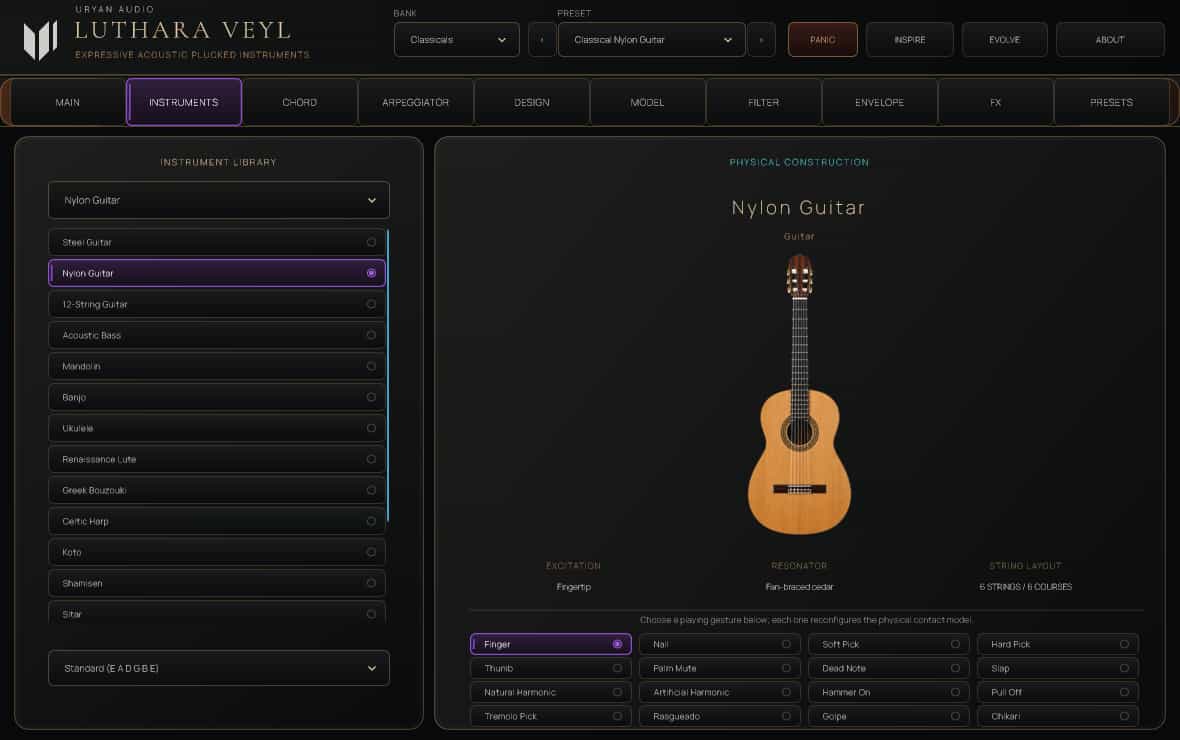
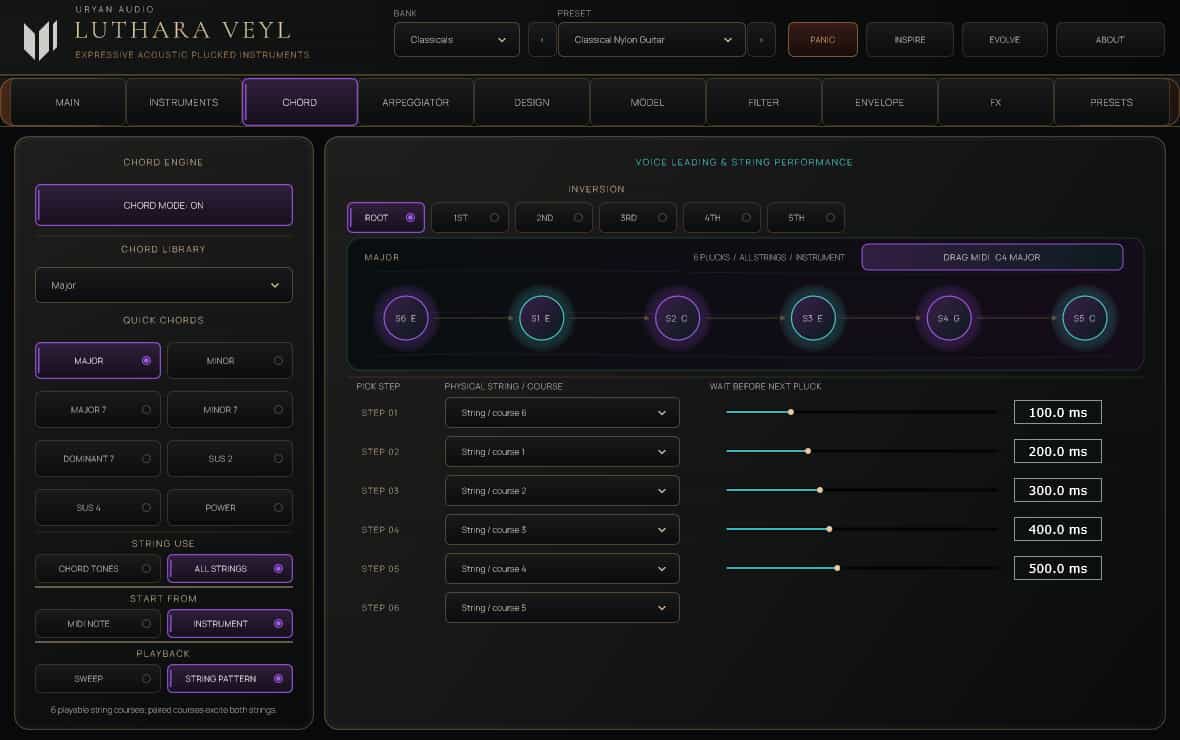
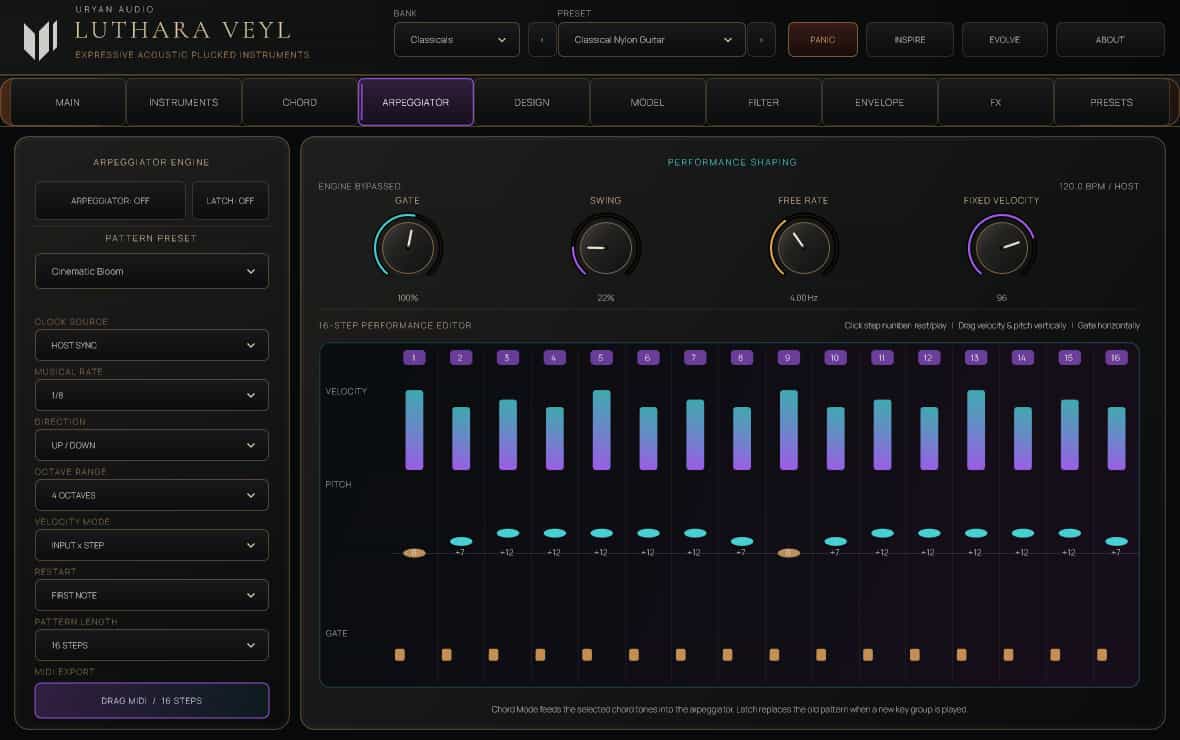
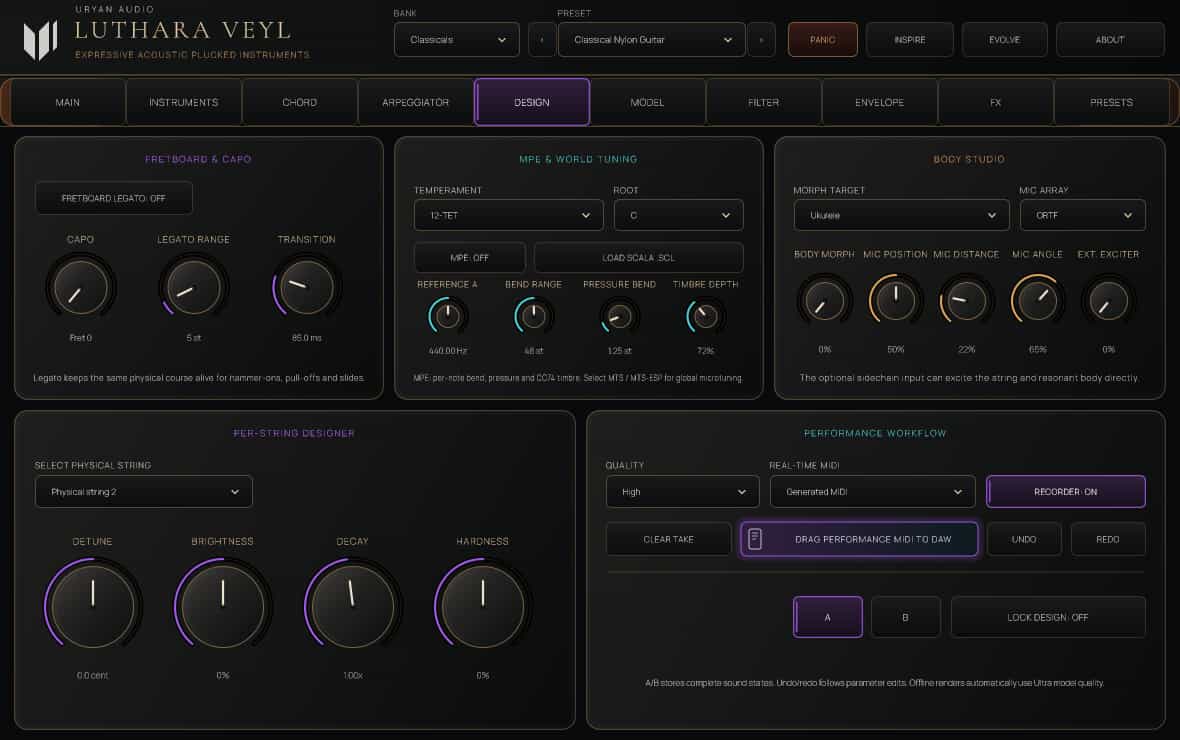
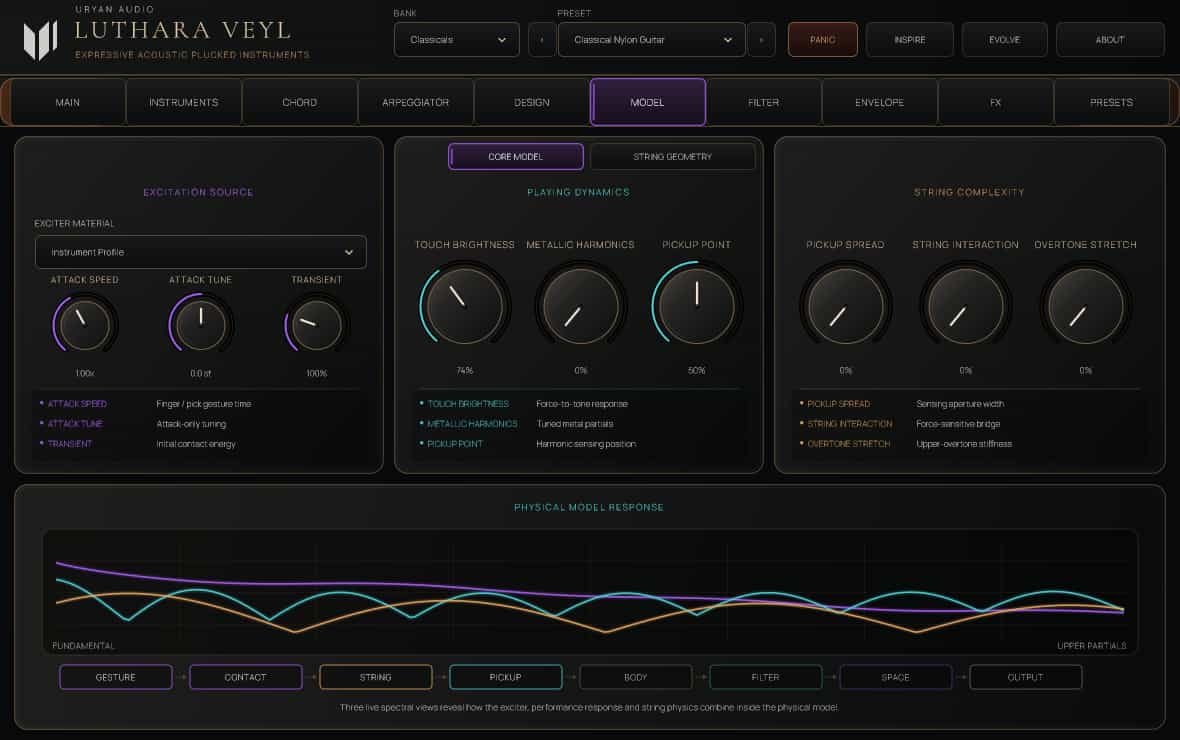
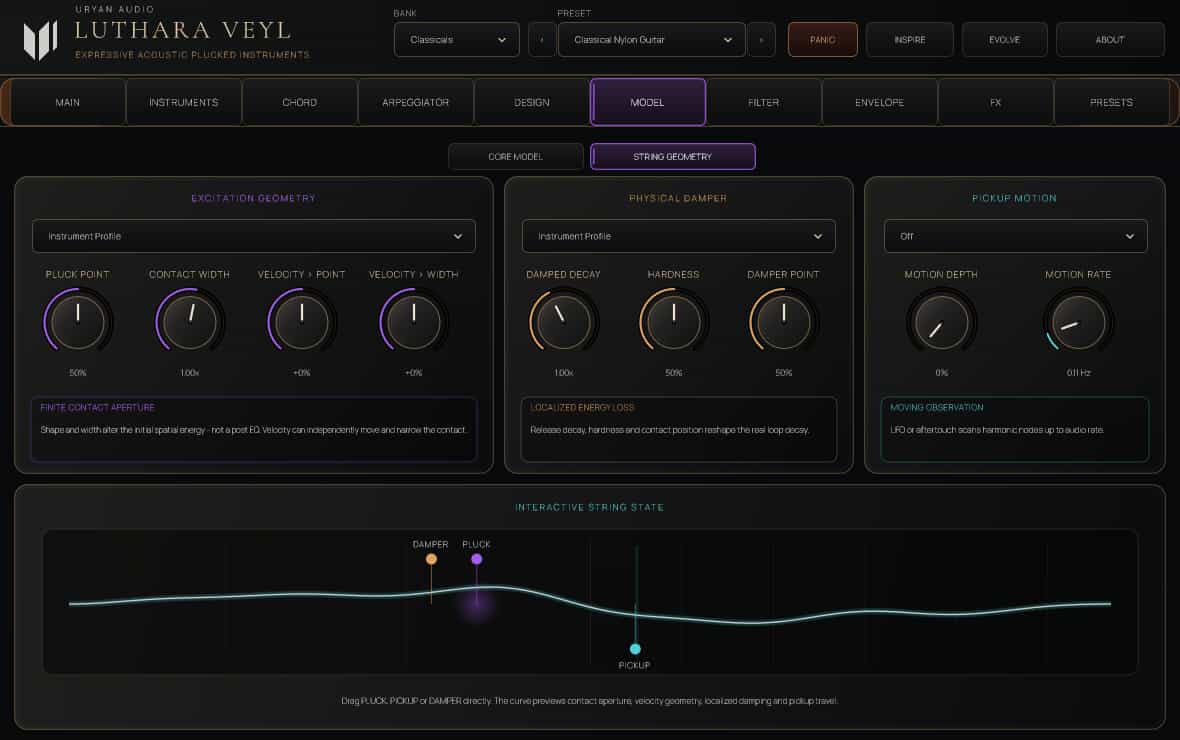
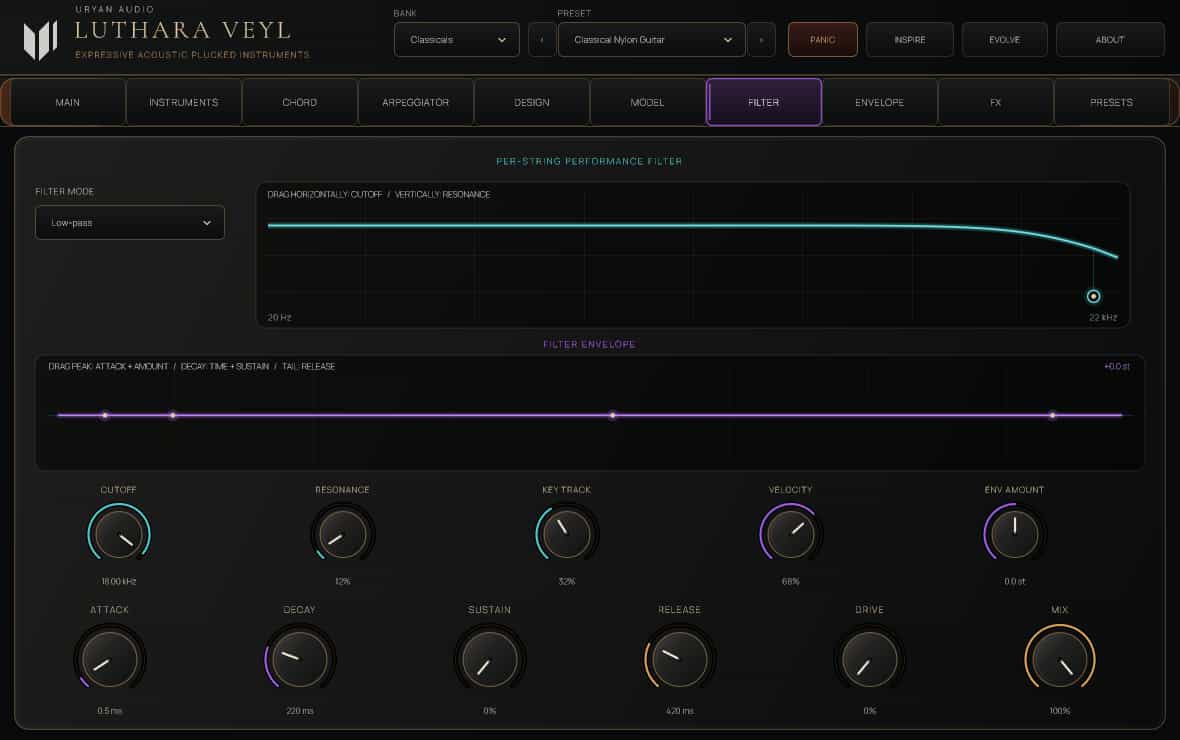
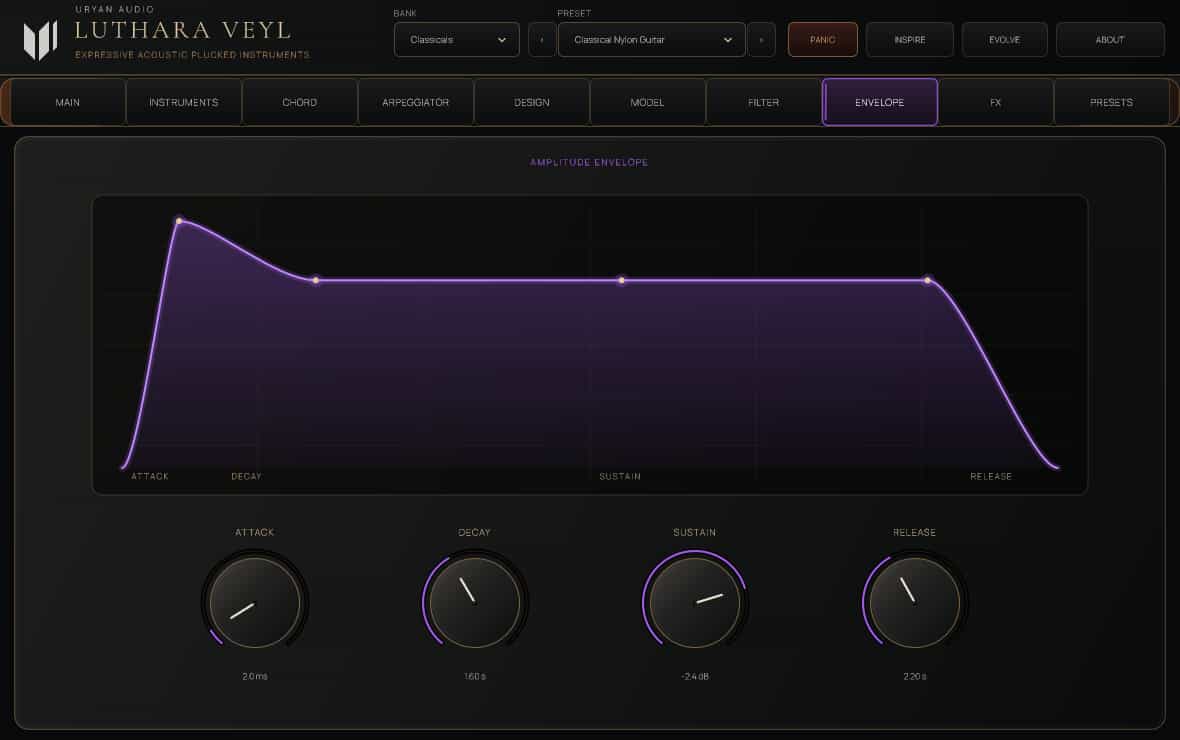
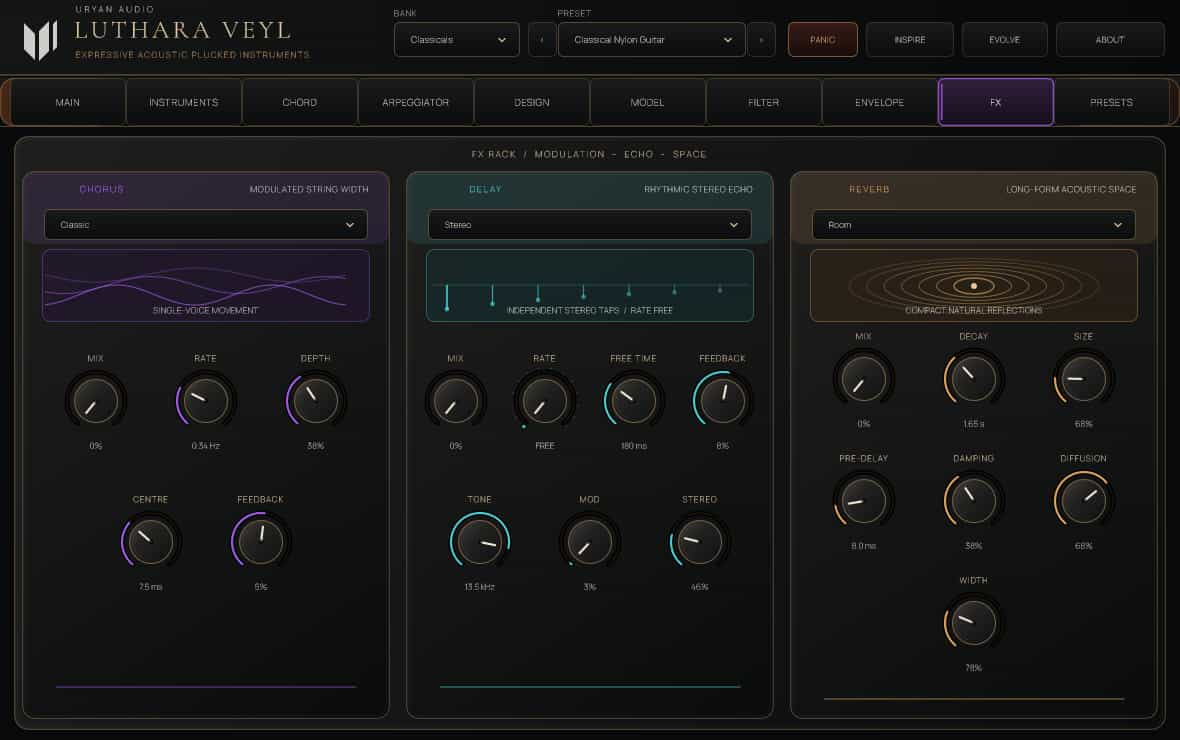
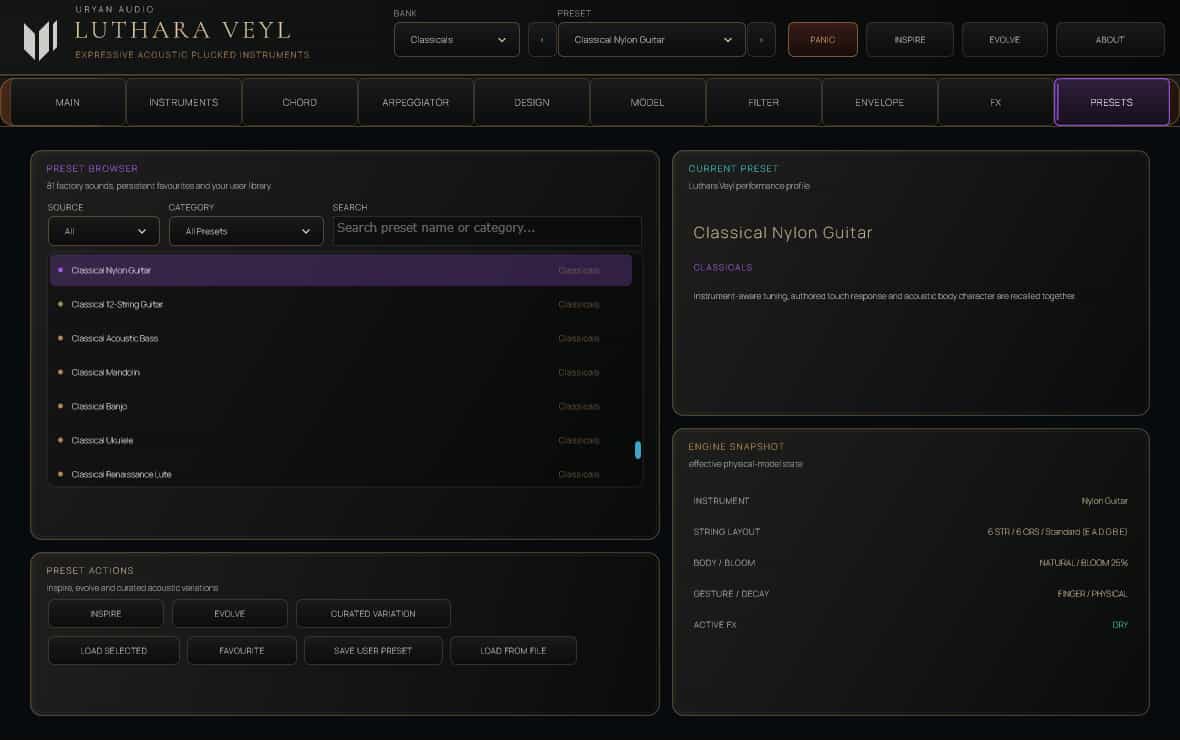
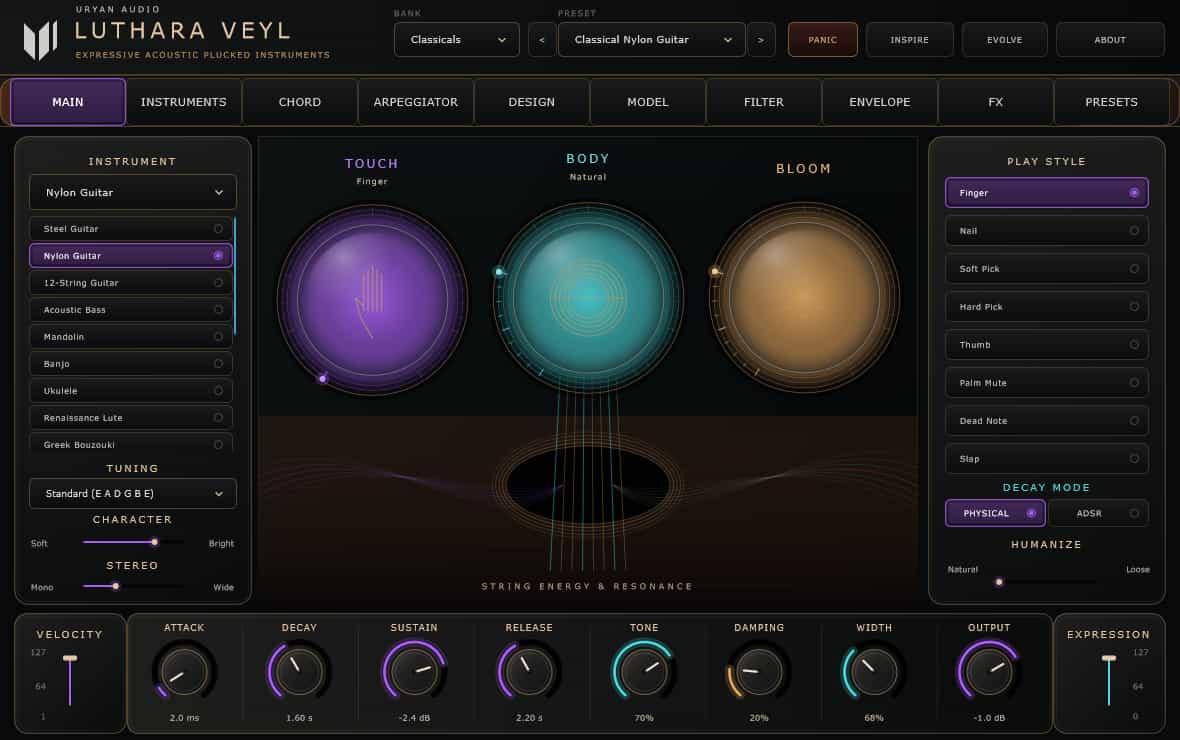
This is very clearly an AI-generated / vibe-coded plugin using a Karplus-Strong implementation. There are so many alternatives to this that are actually made in good faith. I don't even need to detail the actual auditory results, since it is just Karplus-Strong synthesis. All the hallmarks of this being AI are there: - The many lists using synonyms for things that musicians wouldn't say in a list. - The glowing knobs and UI elements. - I don't even think the font has been changed from the LLM default generation. - The 'images' used for the instruments are laughable. I certainly wouldn't want my lute's headstock to fall off. If this is what the Musehub plugin space will consist of, consider me thoroughly disappointed.
Partner Response: Fair criticism: the original graphics—especially some instrument illustrations—needed considerably more care. That feedback was valid, and version 1.1.1 addresses it directly. However, I would hesitate to call this a review of an audio plugin. The text discusses its appearance almost exclusively and explicitly dismisses the need to evaluate its sound. Calling a product “bad faith” without examining its primary function is an unusual standard for an audio review. Luthara Veyl is also very far from “just Karplus-Strong.” Its engine combines fractional-delay digital waveguides, dual string polarisation, dispersion, velocity-dependent excitation geometry, independently modelled attack transients, moving pickup positions, localized physical damping and T60 decay, sympathetic resonance, nonlinear string interaction, resonant body modelling and per-string dynamic filtering. It also supports detailed performance control through velocity, aftertouch and MPE. Visual criticism is welcome—and in this case, useful. But criticism of an audio engine should be based on listening, playing and understanding what the engine actually does, rather than guessing how it was made from the colour of its knobs.