Best limiter plugins in 2026 (free and paid)
The limiter is the last plugin your master passes through before the outside world: the stage that raises the overall level, catches the peaks that would otherwise distort, and lands the track at the loudness streaming platforms expect. Get it right and your song holds its own next to commercial releases; push it too hard and you flatten the life out of the mix. Here are the best limiter plugins in 2026, a mix of professional staples and free picks you can install in one click, for transparent loudness, characterful maximizing and true-peak metering.
Limiters on MuseHub

Top picks at a glance:
- Best overall: FabFilter Pro-L 2, transparent loudness with eight algorithms.
- Best loudness maximizer: UBERLOUD, competitive level that still breathes.
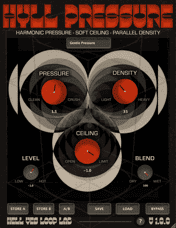
- Best free: HYLL Pressure, soft-clip loudness for nothing.
- Best free metering: Youlean Loudness Meter, hit your LUFS target by sight.
How we choose: we rank on sound, workflow and value, tested in real mixes; free and paid on merit, not by brand.
What a limiter actually does
A limiter is a compressor pushed to its extreme: where a compressor gently reduces the loudest parts to even out a performance, a limiter sets a hard ceiling the signal can’t cross, so you raise everything underneath it without the peaks ever clipping. That’s why it lives at the end of the chain — it buys loudness the rest of the mix can’t. Our guide to what audio compression is covers the groundwork a limiter builds on.
Two designs do this job. A brickwall limiter looks a few milliseconds ahead (its lookahead) and turns the level down smoothly just before a peak arrives, so nothing gets through above the ceiling and transients stay rounded. A clipper takes the blunter route, shaving the tops off peaks: it passes more level but adds harmonic distortion. Brickwall keeps things clean; clipping trades a little grit for extra loudness, and many engineers use a touch of both.
The ceiling is measured in true peak, the real level after your audio is converted back to analog, written in dBTP (decibels true peak). Between digital samples a waveform can overshoot the levels the samples show; these inter-sample peaks are why a master reading 0 dB on a normal meter can still distort on a phone or a lossy stream. Set the ceiling to about -1 dBTP and a true-peak limiter holds it there.
Loudness itself is measured in LUFS (Loudness Units relative to Full Scale), which reflects how loud a track sounds to the ear rather than its raw peak. Streaming services (Spotify, Apple Music, YouTube) normalize playback to around -14 LUFS integrated, turning louder masters down rather than up, so a crushed master mostly costs you dynamics for no gain. For the stages before the limiter, see our roundup of the best mastering plugins. And several picks below are completely free.
The 10 best limiter plugins
1. FabFilter Pro-L 2
Pro-L 2 is the limiter most engineers reach for when loudness has to stay clean, and it’s the benchmark the others are measured against. Eight limiting algorithms let you choose how it reacts, from a transparent style that raises level without audible pumping to aggressive modes built for dense mixes. It reads true peak, oversamples heavily to catch inter-sample peaks, and has one of the lowest noise floors in its class, so you push hard without artifacts creeping in. Its built-in loudness metering (integrated LUFS and dBTP together) means you hit a streaming target without a separate meter. It’s a paid plugin priced as an industry standard.
2. UBERLOUD

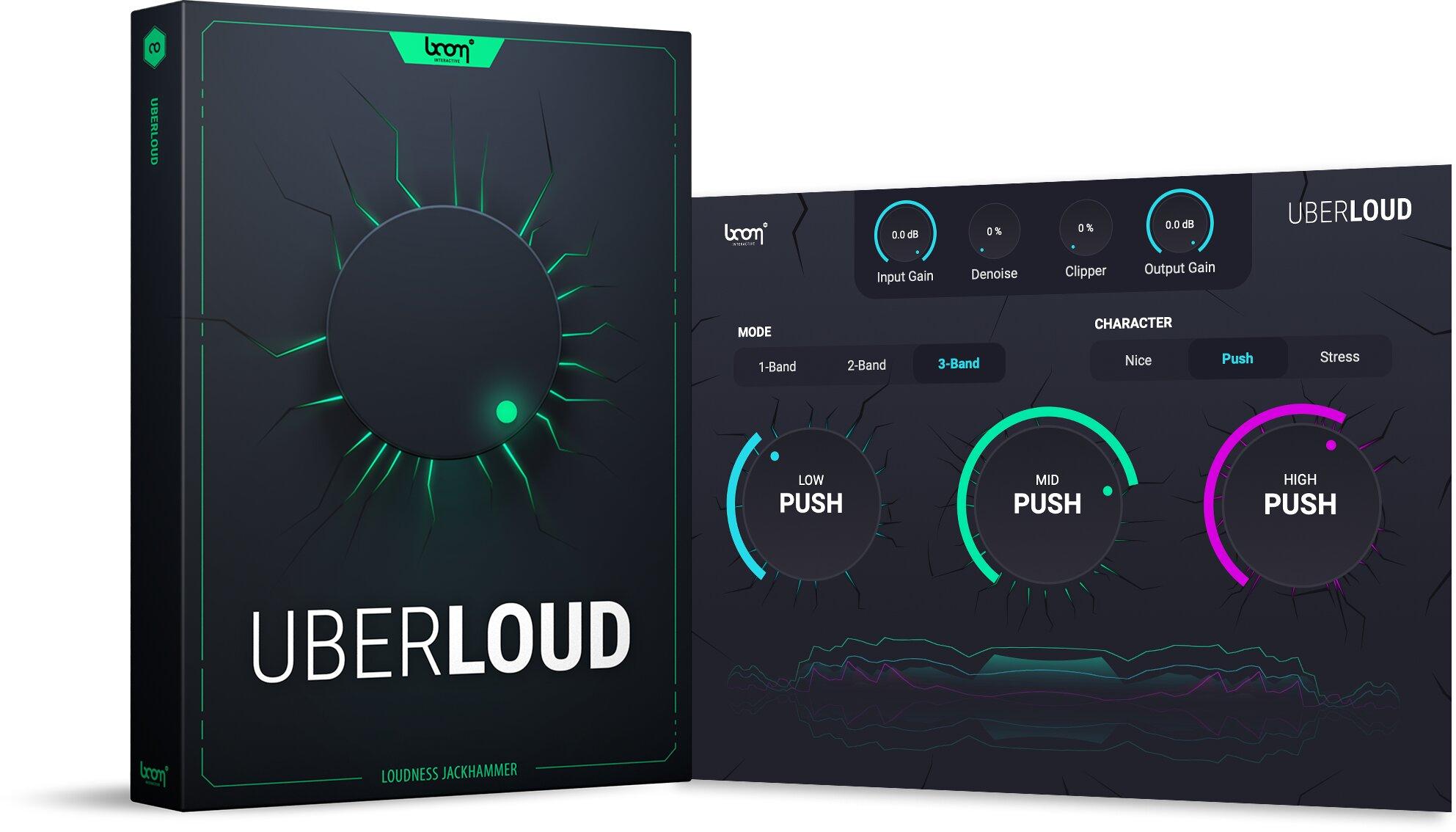
UBERLOUD is a loudness maximizer, which is a limiter with automatic make-up gain wrapped around it: instead of setting a threshold by hand, you turn up one drive control and it raises perceived loudness a long way before the sound breaks down. That single-knob approach is the appeal: you push for level and read the metering rather than balancing threshold against ceiling. Crucially, it gets there without the pumping, the audible breathing a heavy limiter can introduce as it recovers between peaks, so a quieter, dynamic mix reaches a modern target and still moves. Reach for it as the final loudness stage on club, electronic or pop material. It’s a click away on MuseHub.
3. Waves L2 Ultramaximizer
The L2 defined the modern loud master, and it’s still a fast, musical way to get there. It’s a single-band brickwall limiter with Waves’ IDR dithering built in for clean bit-depth reduction on export, and its appeal is simplicity: pull the threshold down, set the output ceiling, and it raises loudness with a characterful sound used on hit records for decades. It colors the signal more than a transparent modern limiter; that faint density is part of why people reach for it. It’s paid but frequently sells cheap, an easy first dedicated limiter.
4. iZotope Ozone Maximizer
The Maximizer is the limiter module inside iZotope Ozone, and it’s a strong pick if you want adaptive limiting rather than a fixed character. Its IRC (Intelligent Release Control) modes analyze the audio and vary the release time automatically, which is what lets it stay loud while sidestepping the pumping a fixed release causes on busy material. It reads true peak and offers a transient-emphasis option to keep drums punchy under heavy limiting. It’s paid, sold within the Ozone suite, and one of the more transparent maximizers when you dial it in carefully.
5. Soft Limit

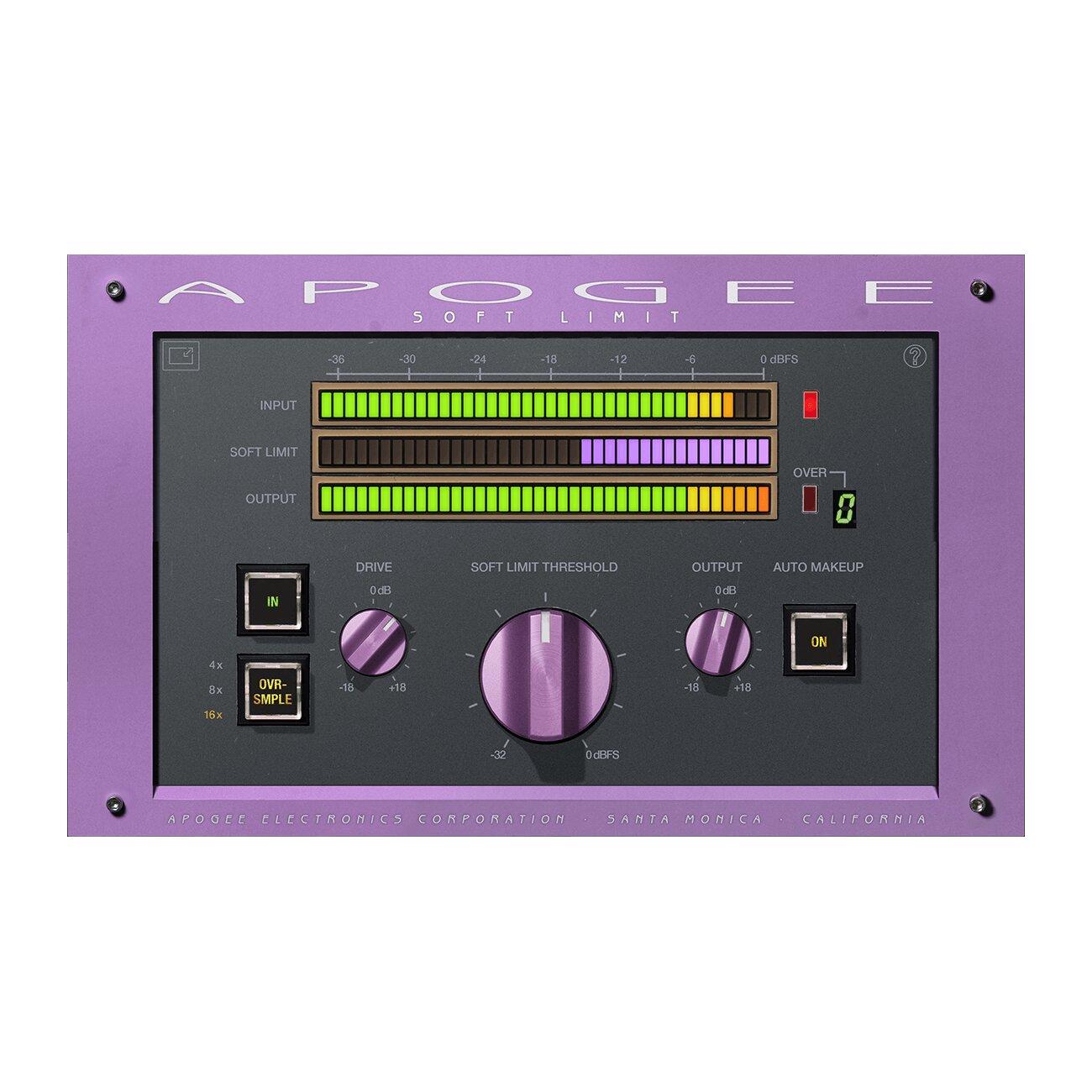
Soft Limit is an analog tape emulation, and it earns a place in the loudness stage for two reasons. First, tape naturally rounds off transient peaks (gentle, musical limiting before your main limiter even kicks in), so the loud stage has less work to do and sounds smoother for it. Second, tape saturation adds warmth and harmonic density that thickens a thin mix and softens digital harshness as you push the level. Run a master lightly through it to tame peaks and add analog character in one move, then let a transparent brickwall set the final ceiling. Use it as coloured limiting when clinical loudness sounds too stiff. It’s a click away on MuseHub.
6. DMGAudio Limitless
Limitless is the pick for masters a single-band brickwall can’t solve. It’s a multiband limiter (it splits the signal into frequency ranges and limits each one separately) with mid-side processing on top, so a boomy low end or a spiky vocal range can be controlled without squashing the whole track. Its deep metering shows exactly what each band is doing, which makes it a favorite for engineers who want to diagnose a loudness problem, not just clamp it. It’s a premium paid tool that earns its place when transparent single-band limiting runs out of road.
7. Waves L3 Multimaximizer
Where the L2 limits the whole signal at once, the L3 is a multiband maximizer: it divides the spectrum into bands and shares the limiting across them, so louder frequencies don’t drag quieter ones down with them. That lets you reach a higher overall level before distortion sets in, which is why it suits dense, bass-heavy mixes that a single-band limiter struggles to hold together. The trade-off is that hard multiband limiting can smear transients if you lean on it, so it rewards a light hand. It’s paid and, like the L2, often discounted.
8. HYLL Pressure
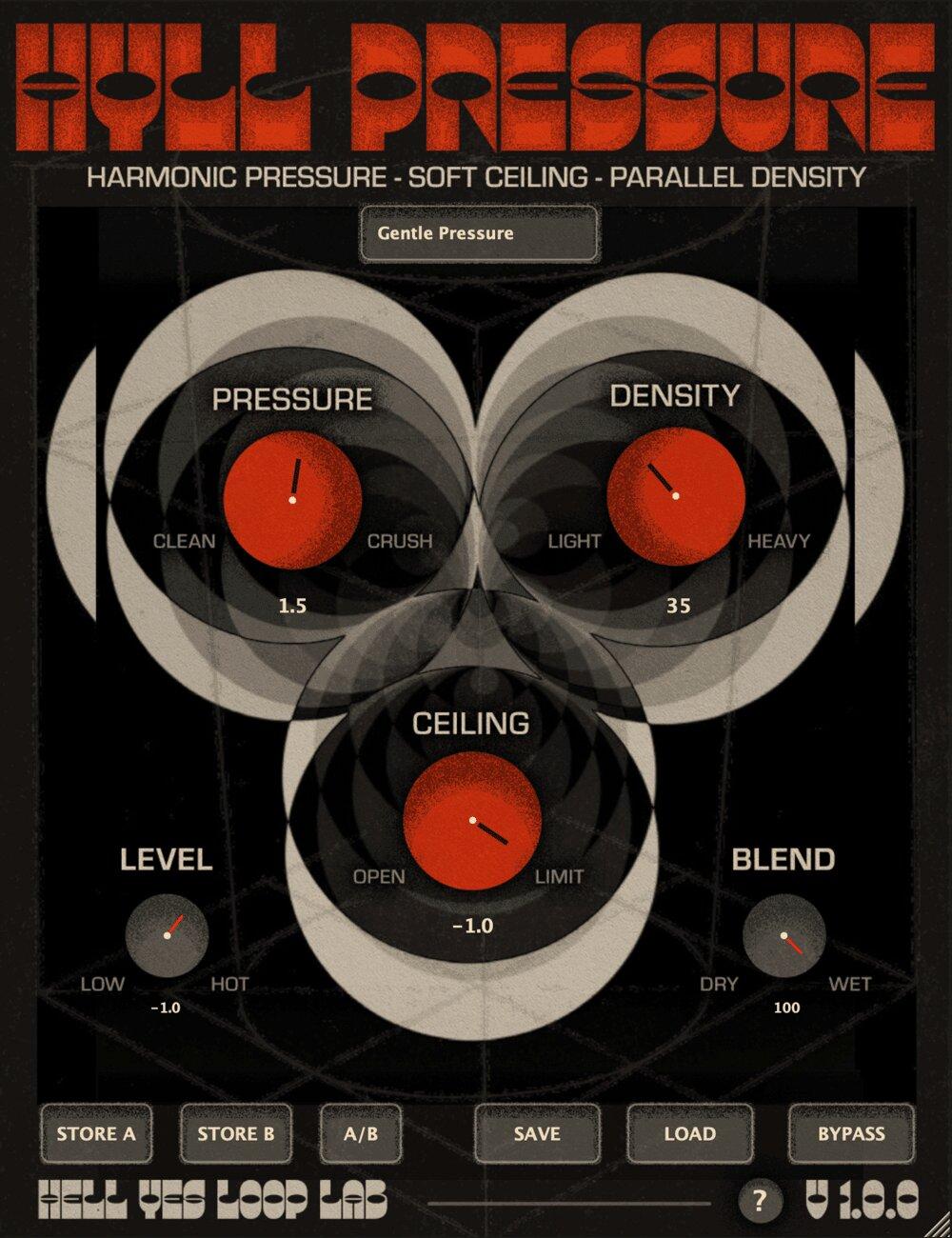
HYLL Pressure combines soft clipping, saturation and controlled loudness in one plugin, a smart, free way to get loud without a hard brickwall crushing your transients. Soft clipping shaves peaks gradually rather than slamming into a ceiling, and it adds harmonic density as it works, so the master gets a little louder and a little warmer at once instead of flattening out. That makes it a real alternative on the loudness stage, especially on drums and electronic material where a touch of grit flatters the sound. It’s completely free and installs in one click on MuseHub.
9. TDR Limiter 6 GE
Limiter 6 GE is the pick for anyone who wants serious limiting on a small budget. It’s a modular device with several stages (a compressor, a peak clipper, a high-frequency limiter, a true-peak brickwall and an inter-sample clipper) that you can switch on or off and reorder, so it works as a full dynamics-and-loudness section rather than a single ceiling. Building loudness in stages like this also teaches you how a loud master is actually assembled. The base TDR Limiter 6 is free; the GE tier adds the extra modules for a modest price.
10. Youlean Loudness Meter
Youlean isn’t a limiter — it’s the meter that tells you whether your limiting is done. It shows integrated, short-term and momentary LUFS plus true-peak level in a clear display, so you limit to a specific streaming target instead of guessing by ear. That’s the job that keeps your master from being turned down (too loud) or sounding weak next to other songs (too quiet). Every limiter above needs a meter beside it, and this is the one to start with: the free version covers everything most people need, and the paid Pro adds presets and history.
Best free limiter plugin
You can handle the whole loudness stage without spending anything. On MuseHub, HYLL Pressure is our top free pick, soft clipping and controlled loudness that gets a master loud with punch instead of a hard brickwall crush. Beyond MuseHub, the base TDR Limiter 6 gives you a true-peak brickwall for free, and Youlean Loudness Meter is the free metering standard for checking LUFS and dBTP before release. That trio (clip, brickwall, meter) is a release-ready loudness stage at no cost. “Free” here means price, not quality; all three turn up on real records.
How to choose: transparent or coloured
Start from what the master needs. A transparent limiter (FabFilter Pro-L 2, the Ozone Maximizer, UBERLOUD) raises loudness while staying as close as possible to the original tone, which is what you want when the mix already sounds right and you only need level. A coloured limiter adds character on the way: Soft Limit’s tape warmth, the L2’s density or HYLL Pressure’s clipping grit all flatter a mix that sounds a little stiff or thin. Most engineers keep one of each and pick per song. Whichever you choose, resist over-limiting: every extra decibel you squeeze past the streaming target trades away transients the platform’s normalization gives you nothing for. To control dynamics before the ceiling, a multiband like Polyspectral MBC or an analog engine like Aesthe does that gentler work, and our roundup of the best compressor plugins goes deeper on the stage before the limiter.
Comparison table
| Plugin | Type | Price | Best for |
|---|---|---|---|
| FabFilter Pro-L 2 | Transparent brickwall | Paid | Clean loudness with built-in metering |
| UBERLOUD | Loudness maximizer | Paid | Competitive loudness that still breathes |
| Waves L2 Ultramaximizer | Single-band brickwall | Paid (budget) | A fast, characterful loud master |
| iZotope Ozone Maximizer | Adaptive maximizer (IRC) | Paid | Loudness without pumping, in a suite |
| Soft Limit | Tape-style limiting | Paid | Analog warmth and softened peaks |
| DMGAudio Limitless | Multiband / mid-side limiter | Paid | Problem masters a brickwall can’t fix |
| Waves L3 Multimaximizer | Multiband maximizer | Paid | Maximum level on dense, bass-heavy mixes |
| HYLL Pressure | Soft clip + loudness | Free | Loudness with punch, minus the crush |
| TDR Limiter 6 GE | Modular limiter | Free base + paid GE | Serious limiting on a budget |
| Youlean Loudness Meter | LUFS / true-peak meter | Free | Hitting streaming loudness targets |
FAQ
What’s the difference between a limiter and a compressor? Both reduce dynamic range, but a compressor shapes the level gently across a track, while a limiter sets a hard ceiling nothing can cross, technically a compressor with a very high ratio (above about 10:1). Use a compressor to even out a performance; use a limiter at the end to raise loudness and stop peaks from clipping.
What LUFS should I aim for? For streaming, limit to around -14 LUFS integrated with a -1 dBTP true-peak ceiling: that’s where Spotify, Apple Music and YouTube normalize, so louder masters just get turned down. Go louder (-9 to -6 LUFS) only for club or CD contexts where the extra level is actually used.
Do I need a limiter plugin? If you want a finished, release-ready master that competes with commercial tracks, yes. The limiter is the stage that raises the level and guarantees nothing clips. A loudness meter alongside it is just as important, so you limit to a target instead of by ear.
What’s the best free limiter plugin? On MuseHub, HYLL Pressure (soft clipping and controlled loudness). Beyond it, the base TDR Limiter 6 gives you a free true-peak brickwall, and Youlean Loudness Meter is the free metering standard; together they cover the whole loudness stage for nothing.
Next steps
- Mastering the whole chain, not just the ceiling? Read the best mastering plugins.
- Controlling dynamics before the limiter? See the best compressor plugins and what audio compression is.
- Browse more in the MuseHub plugins catalog.
Most of the plugins above, and hundreds more, install in one click with MuseHub. Download MuseHub free and set your loudness stage in your own session.