Best sampler plugins in 2026 (free and paid)
A sampler turns a recording into an instrument. Feed it a drum break, a piano note, a vinyl crackle or a one-second vocal, and it maps that audio across your keyboard and pads so you can play it, pitch it, chop it and reshape it into something new. That one idea sits under most modern beats and film scores. Here are the best sampler plugins in 2026, a mix of deep studio workstations and free picks you can install in one click, for slicing loops, building playable instruments and designing texture.
This roundup covers the whole toolkit (beat-slicing performance samplers, deep instrument builders, granular engines and free players): what each type does and which ones are worth your time.

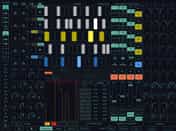
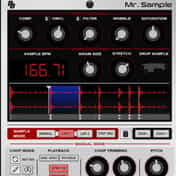
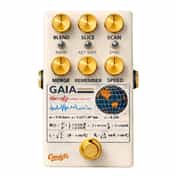
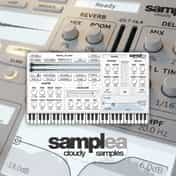
Top picks at a glance:
- Best overall: Native Instruments Kontakt 8, the deep sampling workstation everything else is measured against.
- Best for chopping loops: AMENBREAK, slice a break and replay the hits in any order.
- Best free: Decent Sampler and Sitala, a community-instrument player and a drag-and-drop drum sampler.
- Best all-in-one: Strokes, sequencing, sampling and synthesis in one window.
How we choose: we rank on sound, workflow and value, tested in real sessions; free and paid on merit, not by brand.
What to look for in a sampler plugin
If you’re short on time: Kontakt 8 is the deep-instrument standard, Ableton Simpler and Sampler the built-in workhorses, and Output Arcade and Serato Sample lead for performance and chopping. On MuseHub, AMENBREAK, Strokes, Mr Sample, GAIA and Samplea cover slicing, workstations, lofi, granular texture and simple one-shot playback. Now the categories, because knowing them makes every pick below easier to judge.
A sampler is software that loads audio recordings and lays them across your keyboard or drum pads so you can play and manipulate them. The first choice is how the samples are mapped. One-shot loading fires a single recording per key or pad: how a kick, snare or vocal stab works. Multisampling instead spreads many recordings of one instrument across the keys, so each note plays audio actually recorded at that pitch rather than one sample stretched out of shape, which is what makes a sampled piano or violin sound real. Alongside that sit velocity layers: recordings that swap in depending on how hard you play, so a soft press and a hard hit sound like two clearly different strokes.
From there the tools split by what they do with the audio. Slicing chops a loop into its individual hits and maps them across pads — the classic move on the Amen break, where one drum loop becomes a kit you re-sequence into a fresh groove. Granular samplers break a sample into tiny fragments called grains and rearrange them, so a two-second clip becomes an evolving pad. Many samplers add an arpeggiator that auto-triggers your mapped notes in rhythmic patterns. And it’s worth knowing a ROMpler from a true sampler: a ROMpler only plays fixed sounds baked into it, while a true sampler lets you load and map your own audio.
One last split runs through every pick: the sampler is the engine, the sounds are the content. Some plugins ship with a ready-to-play library; others are empty instruments you feed, so decide whether you want sounds now or a workshop to build your own. If production is new, our guide to how to mix music yourself covers where a sampler sits in a session.
The 10 best sampler plugins
1. Native Instruments Kontakt 8
Kontakt is the plugin the whole sampling world is built on, and that’s why it tops the list. It’s a full sampling workstation: load a raw recording, map it across the keys with velocity layers and round-robins, add effects and scripting, and you have a playable instrument as deep as any commercial library. It’s also the format thousands of third-party libraries ship in, so buying Kontakt buys into an ecosystem spanning every genre. The catch is depth: it can feel like overkill if you only want to drop in a one-shot. It’s paid, though the free Kontakt Player runs many libraries at no cost.
2. Ableton Simpler & Sampler
If you already work in Ableton Live, the best sampler might be the one you own. Simpler is the fast one: drop in audio and it’s ready to play, slice or warp in seconds, the quickest route from a found sound to a playable part. Sampler is its deeper sibling, adding multisample mapping, velocity layers and modulation for fuller instruments. Together they cover most of what a beat-maker needs without leaving the DAW, and their integration with Live’s warping is hard to beat for chopping and re-pitching on the fly. They come bundled with Live rather than sold separately.
3. AMENBREAK

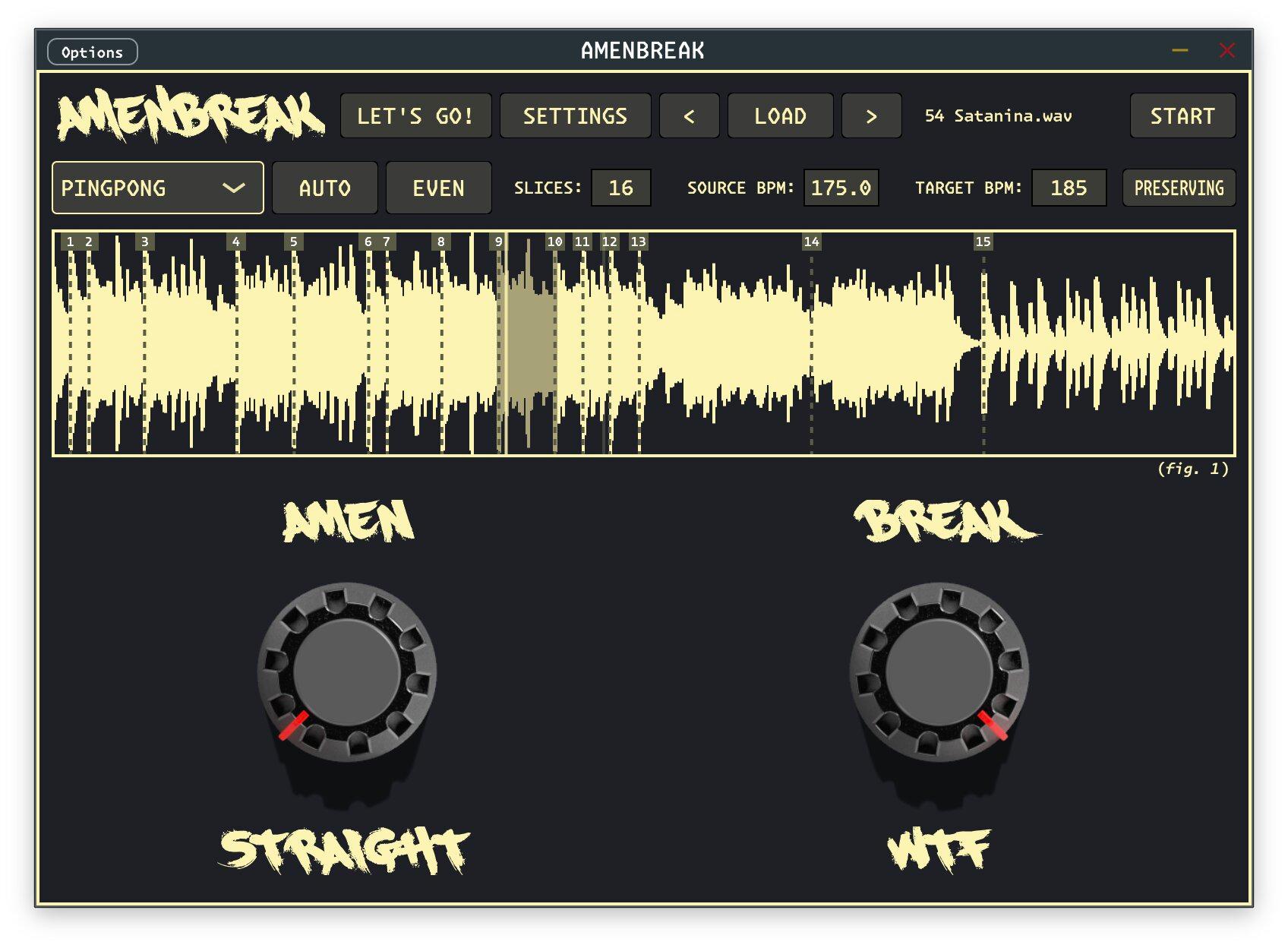
AMENBREAK is built around one job (slicing a loop and letting you perform it) and it does that faster than a general-purpose sampler. Load a drum break and it chops the audio into its individual hits, mapping each slice to a pad so you can replay the groove in any order, stutter it, or rebuild it into something the original drummer never played. Named for the Amen break, the most-sampled loop in music, it’s aimed at producers who flip breaks for jungle, hip-hop and footwork. Because the slicing and pad triggering are the whole interface, you stay in a performance flow instead of drawing edits. It’s a click away on MuseHub.
4. Strokes

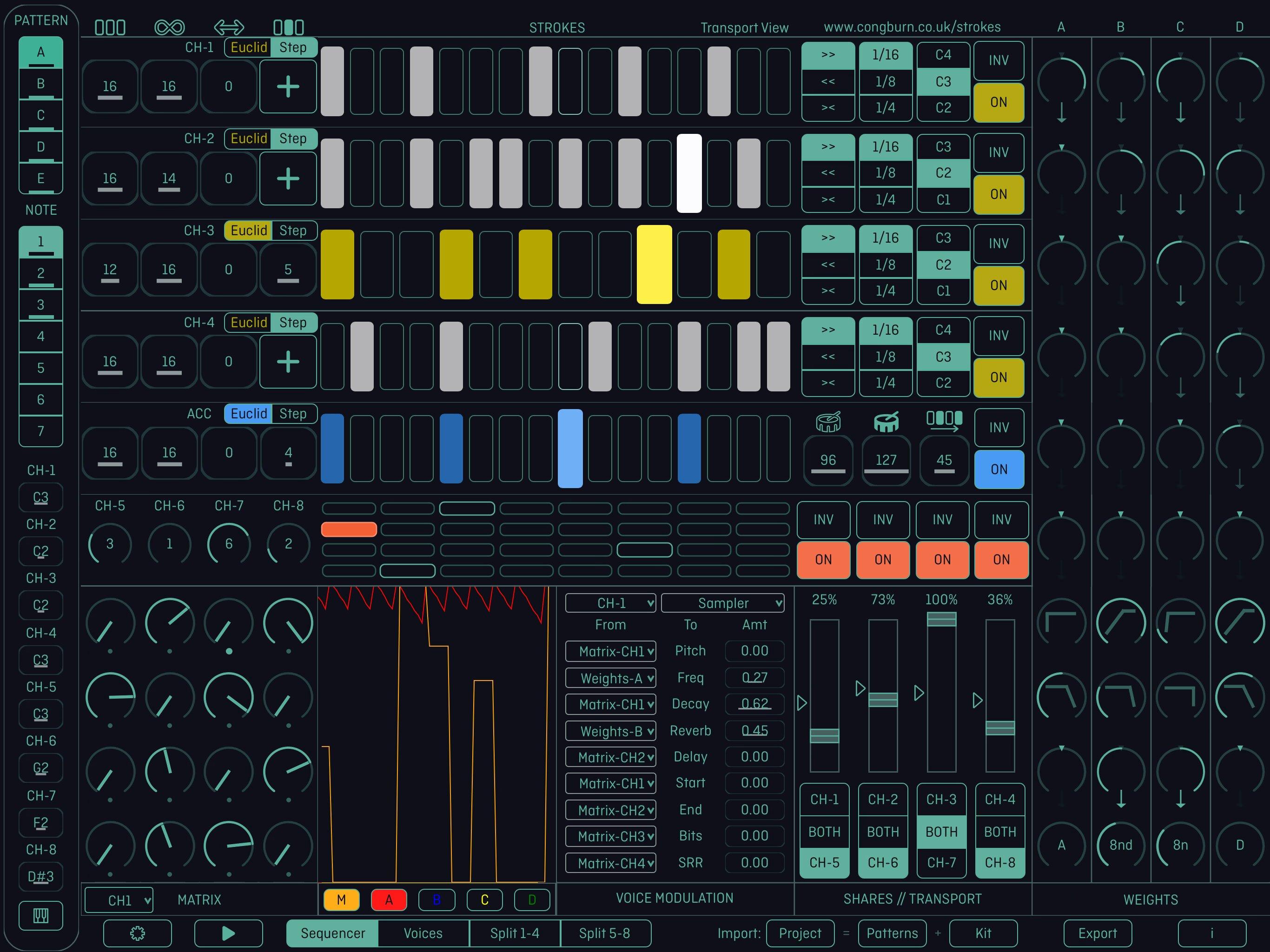
Strokes is the most complete tool here that isn’t Kontakt: it folds sequencing, sampling and synthesis into one window, so a sampled sound and the pattern that plays it live side by side. That matters because most workflows split those jobs across separate plugins: you sample in one, sequence in another, and lose the thread. Here you load or record audio, shape it, and build the groove around it without leaving the instrument, which suits sketching a whole idea fast. It’s the pick when you want a self-contained workstation rather than a single-purpose sampler, and it installs in one click.
5. Output Arcade & Portal
Output makes two samplers worth knowing, from opposite ends. Arcade is a playable, subscription-based instrument stuffed with curated, royalty-free loops you trigger and modify in real time, built for a usable, current-sounding part in seconds rather than instruments from scratch. Portal is a granular sampler that shatters any sound into grains and reassembles it into clouds, stutters and textures, turning a plain recording into movement. They’re paid, and Arcade leans on its library rather than your own samples, but for instant inspiration and creative sound design respectively, few tools are as immediate.
6. Mr Sample

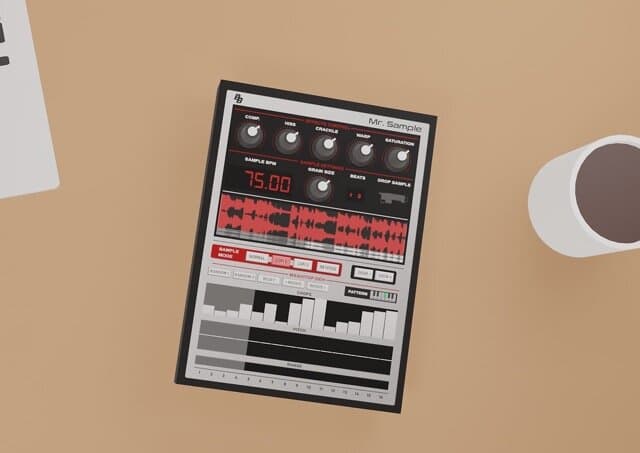
Mr Sample is a lofi sampler that treats character as the point, not a side effect. Where a clean sampler tries to reproduce your audio faithfully, this one runs it through the kind of degradation that gives sampled music its warmth — the slight pitch wobble, reduced fidelity and grit of old hardware samplers and tape. That makes it a fast route to the hazy, nostalgic tone behind lofi hip-hop and bedroom pop, without stacking three separate effects to fake it: load a piano loop or vocal chop and it comes back sounding sampled in the best way. It’s one click away on MuseHub.
7. TAL-Sampler
TAL-Sampler is the pick for producers who care how a sampler colors the sound. It models the signal path of early hardware samplers (including their converters and analog filter) so audio you load through it takes on the punch and character those classic machines were loved for, rather than staying clinically clean. It’s also a capable true sampler with multiple layers, envelopes and modulation for building your own instruments. It’s paid, and the one to reach for when you want vintage sampler grit with modern mapping and a light CPU load.
8. GAIA

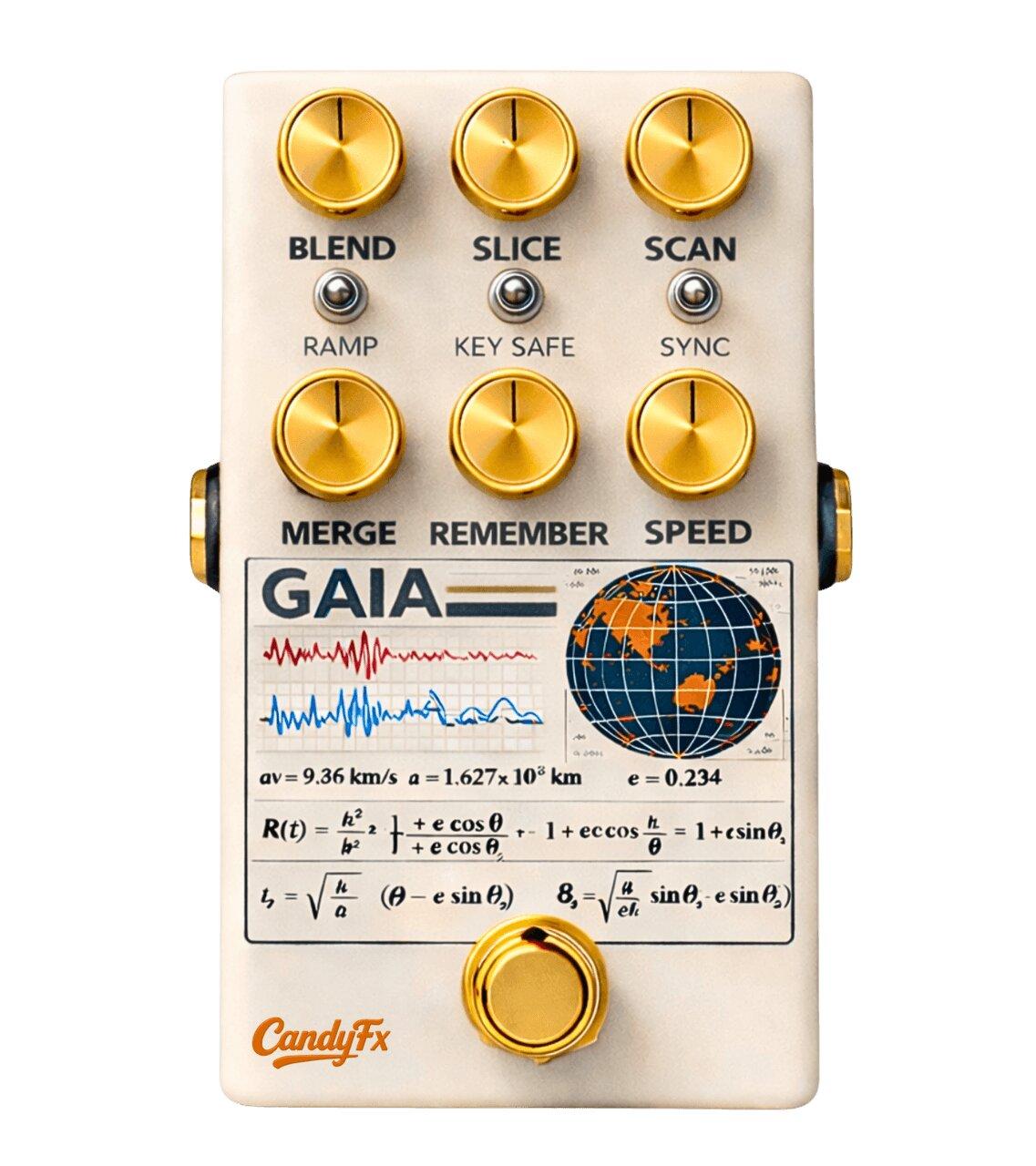
GAIA approaches sampling as sound design rather than playback. It’s a reactive sampling and arpeggiated FX engine: it drives your audio with movement (arpeggiated patterns, modulation and effects that respond as the sound plays), so a static sample becomes something that shifts and evolves under your fingers. That makes it less about faithfully replaying a recording and more about generating rhythmic, animated parts from one, which is what ambient, cinematic and electronic producers reach for when they want texture with motion. Pair it with the arpeggiator and a single chord becomes a whole moving passage. It’s one click away on MuseHub.
9. Serum 2
Serum built its name as a wavetable synth, and Serum 2 folds a real sampler into that engine: you can load your own audio as a sound source and process it with the same deep modulation, filters and effects producers already trust for synth design. That’s its edge: instead of switching between a sampler and a synth, you blend sampled and synthesized material in one instrument, layering a recording under a wavetable or granularizing it inside the patch. It’s a paid plugin for electronic producers who want sampling as part of a larger sound-design rig, not a standalone chopper.
10. Samplea

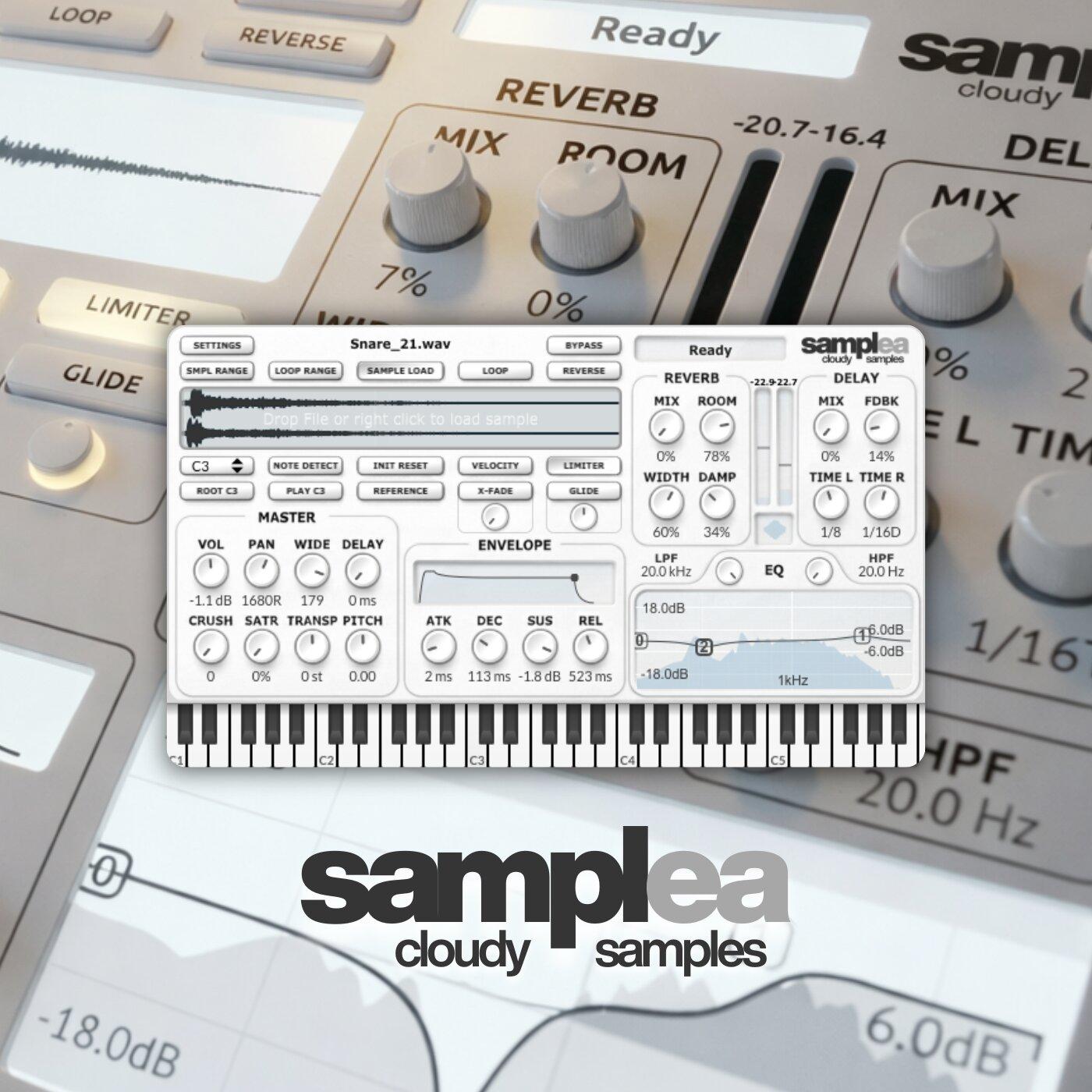
Samplea takes the opposite bet to Kontakt: precision through simplicity. Instead of endless menus, it gives you a focused set of controls to load a sample, tune it, shape it and play it, enough to build a usable instrument without a manual, and few enough that you actually finish. That makes it a friendly first sampler for anyone put off by the depth of a full workstation, and a fast utility for producers who just want to drop in a sound and go. When the job is “play this recording, cleanly, now,” a lean sampler wins. Install it in one click.
Best free sampler plugin
You can build real instruments without spending anything. Decent Sampler is the top free pick for playing sampled instruments: it loads a large and growing library of community-made sounds (many from Pianobook), so you get pianos, pads and field recordings for nothing. Sitala is the fastest free drum sampler: drag one-shots onto its pads and you’re playing a kit in seconds. TX16Wx is the deep free option, with Kontakt-level mapping and velocity layers for building your own multisampled instruments. “Free” here means price, not quality. All three turn up on released records.
How to choose
Start from the job, not the plugin. If you chop and flip loops, a performance sampler wins: AMENBREAK for slicing breaks, Ableton Simpler for quick warping, Serato Sample for stem-based chopping. If you build realistic instruments from your own recordings, reach for a deep mapper like Kontakt or the free TX16Wx, with velocity layers and multisampling. If you’re after texture and movement, a granular or reactive engine like Output Portal or GAIA turns a plain sample into something alive. And remember the engine-versus-content split: Arcade and Kontakt libraries hand you sounds now, while Strokes, Samplea and Sitala are instruments you feed. Most producers end up with two: one workstation and one fast chopper.
Comparison table
| Plugin | Type | Price | Best for |
|---|---|---|---|
| Native Instruments Kontakt 8 | Sampling workstation | Paid (free Player) | Deep instrument building + libraries |
| Ableton Simpler & Sampler | Built-in sampler | Bundled with Live | Fast chopping and multisampling in Live |
| AMENBREAK | Beat-slicing performance sampler | Paid | Slicing and replaying loops |
| Strokes | Sequencing + sampling + synthesis | Paid | An all-in-one sampling workstation |
| Output Arcade & Portal | Playable loops / granular | Paid | Instant loops; granular texture |
| Mr Sample | Lofi sampler | Paid | Warm, degraded lofi character |
| TAL-Sampler | Analog-modeled true sampler | Paid | Vintage sampler grit + mapping |
| GAIA | Reactive sampling + arp FX | Paid | Animated, evolving sampled parts |
| Serum 2 | Sampler inside a synth | Paid | Blending sampled and synth material |
| Samplea | Simple one-shot sampler | Paid | Loading and playing a sound fast |
FAQ
What is a sampler plugin? It’s software that loads audio recordings and maps them across your keyboard or pads so you can play and manipulate them. Give it a drum loop, a note or a vocal and you can pitch it, slice it, layer it and trigger it like an instrument, the foundation of most sample-based music.
What’s the difference between a sampler and a synth? A synth generates sound from scratch using oscillators; a sampler plays back and reshapes audio you load into it. The line blurs in tools like Serum 2, which do both: you can load a sample and process it with a synth’s modulation and filters.
What’s the best free sampler plugin? Decent Sampler for playing community-made instruments, Sitala for a quick drum kit from one-shots, and TX16Wx for deep instrument-building with full key mapping and velocity layers. All three are free and used on real releases.
What’s a ROMpler, and is it a sampler? A ROMpler plays only the fixed sounds built into it: you can’t load your own audio. A true sampler lets you import and map any recording. Many “sample-based instruments” are really ROMplers; check whether it loads your files before you buy.
Next steps
- Building beats and kits? Read the best drum plugins; drum machines are often one-shot samplers.
- Fitting your sampled parts into a track? See how to mix music yourself.
- Browse more instruments and effects in the MuseHub plugins catalog.
Most of the plugins above (AMENBREAK, Strokes, Mr Sample, GAIA, Samplea and hundreds more) install in one click with MuseHub. Download MuseHub free and start turning your recordings into instruments in your own session.