Best guitar plugins in 2026 (free and paid)
A cranked amp in a treated room with a mic in front of it still sounds incredible — and it’s the one thing most of us can’t do at 1am in an apartment. Guitar plugins solve that: plug a guitar straight into your interface and get a real amp tone in your headphones, silently, at any hour. Here are the best guitar plugins in 2026 — a mix of professional amp sims and free picks you can install in one click — for recording, practicing and finishing tracks without a mic’d cab.
This roundup covers the whole toolkit — amp simulators, full multi-effects rigs, standalone distortion and tone-matching plugins — what each type does and which ones are worth your time.
Guitar plugins on MuseHub


Top picks at a glance:
- Best overall: Neural DSP Archetype series — studio-grade artist amp sims.
- Best value: IK Multimedia AmpliTube 5 — a huge amp and FX library.
- Best free: Neural Amp Modeler (NAM) — load real-amp captures.
- Best all-in-one tone: Ampknob RevC (Bogren Digital).
How we choose: we rank on sound, workflow and value — tested in real mixes, free and paid on merit, not by brand.
What to look for in a guitar plugin
If you’re short on time: Neural DSP Archetypes and IK Multimedia AmpliTube 5 are the paid amp-sim standards, Neural Amp Modeler is the best free one, and on MuseHub the Bogren Digital Ampknob range, AmpKit and Tonebridge cover tone from a single knob to a full rig. Now the categories, because knowing them makes every pick below easier to judge.
An amp sim (amp simulator) is software that recreates the whole guitar rig: the amp head that shapes the tone, the speaker cabinet, and the microphone in front of it. Most of that realism comes from the cab IR (impulse response) — a digital snapshot of a real mic’d speaker cabinet or room, which is what makes a plugin sound like an actual amp rather than a fizzy buzz. You feed it a DI signal (direct input — your guitar plugged straight into the interface, no amp), and the plugin does the rest.
From there the tools split into families. Multi-FX suites give you a full pedalboard plus multiple amps and cabs to mix and match. Standalone drive and distortion plugins do one job — overdrive, fuzz, saturation — often better than the drive in a suite. Tone-matching plugins skip the dialing-in and load a preset aimed at a specific record, and cab IR loaders let you swap the speaker/mic part of any rig. If recording and mixing guitar is new, our guide to how to mix music yourself covers where these sit in a session. And you don’t need a budget to start — three of the ten below are completely free.
The 10 best guitar plugins
1. Neural DSP Archetype series
Archetype plugins are the tone most modern players chase, and the reason is how finished they sound out of the box. Each one is built around a named guitarist — the signal chains are DSP-modeled and dialed in with the artist, so loading an Archetype gives you their amp, pedalboard and cab IRs as one polished rig rather than a pile of parts to assemble. That’s why they dominate rock and metal releases: you get a mix-ready tone in seconds and tweak from there. They’re paid and priced like pro gear, one Archetype per artist, but nothing else feels this dialed-in on day one.
2. Ampknob (Bogren Digital)


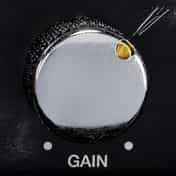
The Ampknob range is the fastest route to a produced guitar tone, and Ampknob RevC is the purest expression of it: one knob. Plug in a DI, turn it up, and you get a heavy, mix-ready tone that would normally take a mic’d stack and an engineer — because Bogren Digital (led by metal producer Jens Bogren) baked the amp, cab, mic and post-processing into it. From there the range scales to your needs: BDH III for a modern classic tone, the BDM 800 Badboy for rhythm and lead, and Trivium signature amps for outright heavy. Best for rock and metal players who want the sound without the setup, from beginners to pros.
3. AmpKit


AmpKit, by the team at Ultimate Guitar, is a full rig in a single plugin: stompboxes into an amp head into a cab and mic, with rack effects after. Because you mix and match every stage, one plugin covers glassy cleans, edge-of-breakup crunch and modern high-gain. It’s the pick when you want to build a tone from the ground up and hear how each pedal and mic position changes it, rather than starting from a fixed preset — a complete practice-to-recording setup that lives in your DAW.
4. IK Multimedia AmpliTube 5
AmpliTube 5 has the widest rig-building selection in software, which is its whole appeal. You get a huge library of amps, cabs, mics and pedals — many officially licensed from real gear makers — plus custom IR loading and adjustable mic placement, so you can recreate a specific studio setup or invent one. That depth is also the catch: it can overwhelm if you just want a tone fast. It’s paid, but the free AmpliTube Custom Shop tier gives you a working rig and a store to add pieces later.
5. Guitarstrip


Guitarstrip is the quickest route to better guitar production — the step after you’ve got an amp tone. Instead of loading a separate EQ, compressor and tone shaper, it stacks the moves guitars almost always need into one window, voiced specifically for guitar. That means you carve space, even out the dynamics and add polish in a single pass, so a raw amped part sits in the mix instead of fighting it. Reach for it on both DI-plus-amp-sim tracks and re-amped real guitars when you want a finished sound without a full mixing chain.
6. Neural Amp Modeler (NAM)
Neural Amp Modeler is the free plugin that changed what “free” means for guitar tone. It uses machine learning to capture real amps, pedals and full rigs, and its community shares thousands of those captures online, so you load a snapshot of a specific real amplifier and play through it for nothing. The trade-off is that it’s a player, not a rig-builder — you’re loading other people’s captures rather than tweaking amp knobs, and you’ll want a separate cab IR loader for some profiles. For chasing a particular real-world tone on a budget, nothing free comes close.
7. BYOD


BYOD stands for Build Your Own Distortion, and that’s exactly the job: instead of a fixed overdrive or fuzz, you drag drive, tone and utility modules into a chain and route them however you like. Because you design the circuit, you can stack a tube-screamer-style boost into a fuzz into a tone filter and land on a drive sound no single pedal makes. It’s a favorite for players and sound designers who treat distortion as an instrument, not a preset. If you’re shaping grit and harmonics, it pairs naturally with our roundup of the best saturation plugins.
8. Native Instruments Guitar Rig 7
Guitar Rig 7 is the most creative rack of the bunch. Alongside its amps and cabs sits a deep collection of modulation, delay, pitch and effects modules you can chain in any order, which makes it as useful for ambient and experimental guitar — or for processing synths and vocals — as it is for a straight amp tone. It leans more toward sound design than photo-real amp modeling, so it’s the pick when you want texture and movement, not just a faithful Marshall. A free Player edition gets you started before the full version.
9. Burning Stones


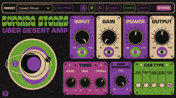
Burning Stones is a dedicated high-gain amp for heavy, saturated tones — think stoner, desert and modern metal. The hard part of any high-gain sim is keeping the low end tight: pile on gain and most amps turn to a flubby, mushy rumble. Burning Stones holds the bottom together so palm-muted riffs stay percussive and defined even when the gain is maxed, which is the difference between a wall of noise and a heavy tone that reads clearly in a mix. Reach for it when your track needs weight and aggression without losing definition.
10. Tonebridge


Tonebridge, also from Ultimate Guitar, takes the opposite approach to every plugin above: you don’t dial a tone, you pick a song. Search its library for a track and it loads a preset aimed at that record’s guitar sound, so you go from a flat DI to a recognizable tone in one click. It won’t out-detail a full amp sim, but for learning songs, sparking ideas or getting a beginner a usable sound without touching an amp knob, it’s the fastest starting point there is — and it’s free.
Best free guitar plugin
You can build a real tone without spending anything. Neural Amp Modeler is the top free pick for realism — load a community capture of an actual amp and you’re playing through it. Tonebridge is the fastest free route to a song’s tone with zero setup, and BYOD covers custom drive and distortion for free. Beyond MuseHub, Ignite Amps (Emissary amp + NadIR IR loader) and LePou are long-standing free amp sims used on released records. “Free” here means price, not quality.
How to choose
Start from how much you want to tweak. If you want a great tone now, go one-knob or preset-first: Ampknob RevC for instant produced heaviness, Tonebridge to chase a specific song. If you’d rather build a rig piece by piece, a deep suite like AmpliTube 5, a Neural DSP Archetype or Guitar Rig 7 rewards the time with far more control. Recording seriously? Add a production step — Guitarstrip to seat the guitar in a mix, or LANDR FX Electric to punch up an electric part. Most players end up with two or three: one amp sim, one drive, one polish tool.
Comparison table
| Plugin | Type | Price | Best for |
|---|---|---|---|
| Neural DSP Archetype series | Amp sim (artist rigs) | Paid | Finished rock/metal tones fast |
| Ampknob (Bogren Digital) | Amp sim (one-knob → signature) | Paid | Instant produced heavy tone |
| AmpKit | Amp + FX rig | Paid | Building a full rig in one plugin |
| IK AmpliTube 5 | Multi-FX suite | Free tier + paid | The deepest rig-building |
| Guitarstrip | Guitar production channel | Paid | Seating guitar in a mix fast |
| Neural Amp Modeler | Capture player | Free | Free, realistic real-amp tones |
| BYOD | Modular distortion | Free | Custom drive and fuzz design |
| NI Guitar Rig 7 | Multi-FX rack | Free tier + paid | Creative and ambient guitar FX |
| Burning Stones | High-gain amp sim | Free | Tight, heavy metal rhythm tones |
| Tonebridge | Tone-matching | Free | A song’s tone in one click |
FAQ
Next steps
Writing in notation rather than a DAW? Muse Guitars Vol. 2 covers the MuseSounds library with mandolin, banjo, 12-string and pedal steel that play back from tab in MuseScore Studio.
- Recording and mixing your parts? Read how to mix music yourself.
- Shaping drive, grit and harmonics? See the best saturation plugins.
- Want the deepest amp tones? See our roundup of the best guitar amp plugins.
- Browse more amps and effects in the MuseHub plugins catalog.
Most of the plugins above — the full Ampknob range, AmpKit, Guitarstrip, BYOD, Burning Stones, Tonebridge and hundreds more — install in one click with MuseHub. Download MuseHub free and get a real amp tone in your own session.