Best bass plugins in 2026 (free and paid)
Bass is the part of a mix you feel before you notice it — the low end that glues the kick to the harmony and gives a track its weight. Getting it right used to mean a good bass, a loud amp and a treated room. Bass plugins collapse all of that into software: dial a produced tone from a plugged-in bass, add sub weight and control the dynamics, or play a convincing bass part from a MIDI keyboard. Here are the best bass plugins in 2026, a mix of professional tools and free picks you can install in one click, for recording, producing and mixing low end.
Bass plugins cover two different jobs — shaping a real bass you recorded, and playing a bass instrument from scratch. This roundup covers both, and flags which is which for every pick.
Bass plugins on MuseHub

Top picks at a glance:
- Best bass amp/DI tone: Neural DSP Parallax X (paid); Bassknob STD on MuseHub for one-knob speed.
- Best bass instrument: Spectrasonics Trilian (sampled) or IK MODO Bass 2 (modeled).
- Best free: TAL-BassLine, a free synth bass.
- Best for a deeper low end: BO-1 Bass Octaver and BC-1 Bass Compressor on MuseHub.
How we choose: we rank on sound, workflow and value, tested in real mixes; free and paid on merit, not by brand.
What to look for in a bass plugin
If you’re short on time: for amp tone from a bass you recorded, Neural DSP Parallax X and IK Ampeg SVX are the paid standards, and on MuseHub the Bogren Digital Bassknob range gets there in one knob; for a playable bass instrument, Spectrasonics Trilian or IK MODO Bass 2, or the free TAL-BassLine synth; and BC-1, BO-1 and LANDR FX Bass handle the low-end polish. “Bass plugins” names two different jobs, so start by knowing which one you’re doing.
Job one is processing a bass you played. You record a DI (direct input, the bass plugged straight into your audio interface, no amp) and shape it in software. A bass amp sim recreates the rig: the preamp or head that drives the tone, and often a cab IR (impulse response, a digital snapshot of a mic’d speaker cabinet). Cab sims matter less on bass than on guitar, so many engineers just EQ, compress and add grit to the DI and skip the cabinet. Two more processors carry the low end: an octaver (it generates a synthesized note an octave below what you play, adding sub weight the original part lacks) and a bass compressor (it evens out the note-to-note level jumps so the low end stays steady under the mix).
Job two is playing a bass instrument from a MIDI keyboard when you don’t have a bass to record. These split into sampled basses (built from recordings of a real instrument, the most realistic), physically-modeled basses (the software simulates the strings and body, so you tweak playing style rather than swap samples), and bass synths (oscillators, not a real instrument, the sound of electronic music). If recording is new, our guide to how to mix music yourself covers where bass sits in a session. And you don’t need a big budget to start: MuseHub itself installs free, and there are strong free options in the roundup below.
The 10 best bass plugins
1. Neural DSP Parallax X
Parallax X is the amp sim most modern bass players reach for, and the reason is how it treats the low end differently from a guitar plugin. It splits your bass into three frequency bands (lows, mids and highs) so you keep the sub-lows clean and tight while driving grit into the mids and sculpting attack up top, all independently. That multi-band approach is exactly what a heavy bass tone needs: distortion that reads as aggression without turning the bottom to mush. With roughly a hundred presets and fifty cab IRs it’s mix-ready fast. It’s paid and priced like pro gear, but for a defined modern bass tone, little else is as focused.
2. Bassknob STD


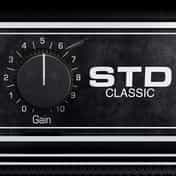
Bassknob STD is the fastest route to a produced bass tone, the low-end companion to Bogren Digital’s guitar Ampknob range. Plug in a DI, turn one knob, and you get a tight, mix-ready sound: the amp, preamp drive and post-processing Jens Bogren’s team would dial in, baked into a single control. That makes it the pick when you want the bass to sit and anchor the track without loading a rack of plugins or knowing which frequency to cut. It’s best for rock, pop and metal players who want the sound without the setup, and it’s light enough to keep on every bass track.
3. IK Multimedia Ampeg SVX
If Parallax X is the modern option, the Ampeg SVX collection is the classic one — officially modeled Ampeg amps, the SVT and its 8×10 fridge cab being the sound on countless rock and funk records. It gives you the vintage-tube warmth and growl a clean DI can’t, and lets you blend a little amp grit under a clean direct signal the way engineers track bass in a studio. It’s paid, part of IK’s AmpliTube ecosystem, and the call when you want a recognizable, time-tested bass tone rather than a modern scooped one.
4. Spectrasonics Trilian
Trilian is the bass instrument other bass instruments get measured against. It’s a deeply sampled library (hundreds of electric, acoustic and synth basses, from a Fender Jazz Bass to vintage Moog pedals), so when you need a real-sounding part and don’t have a bass to hand, you play it in from a keyboard and it sounds played, not programmed. Built-in amp and effects mean it drops into a mix finished. It’s a paid, sizeable install, and the standard when authenticity beats CPU-light convenience.
5. Bassknob Trivium


Where Bassknob STD is the everyday go-to, Bassknob Trivium is the heavy version, a signature bass amp voiced with the metal band Trivium for the aggressive, saturated low end modern metal and hardcore need. The hard part of a high-gain bass tone is keeping the sub tight while you pile on drive: too much gain and palm-muted low notes turn to a flubby rumble. Trivium holds the bottom together so fast, distorted basslines stay percussive and cut through a wall of guitars. Reach for it when the track needs weight, and pair it with a clean DI underneath for definition.
6. BC-1 Bass Compressor


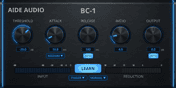
BC-1 is a compressor built specifically for bass, which matters more than it sounds. A general compressor set by ear often pumps or thins the low end, because bass carries so much energy down low; BC-1 is adaptive: it reads the signal and adjusts to keep every note at a steady level without squashing the life out of the part. Even level is what makes a bassline feel solid rather than lurching, and it’s the single processing step that most improves an amateur low end — a “set it and move on” tool for players who don’t want to learn attack and release curves first.
7. IK MODO Bass 2
MODO Bass 2 takes the opposite approach to Trilian: instead of playing back samples, it physically models the instrument in real time. You choose the body, strings, pickups and playing style (fingered, picked, slapped) and adjust things a sampled library can’t, like string age or exactly where you pluck. Because it’s modeled rather than sampled, it’s light on disk space and CPU, and approachable enough for beginners. It’s paid, and the pick when you want to design a bass tone and shape the performance, not just load a preset, the other instrument most bass-free producers rely on.
8. Drelvyr Nox


Drelvyr Nox is a dedicated deep bass synth, oscillator-based rather than modeled, built to generate the sub-heavy electronic bass that drives dance, trap and cinematic music. Where a sampled bass gives you a real instrument, a bass synth gives you a sound no real bass makes: a clean, controllable sub, a growling reese, movement you shape from scratch. Nox focuses on the low register specifically, so it stays tight and defined down where a general synth turns muddy. Reach for it when your track needs a designed low end rather than a played one.
9. BO-1 Bass Octaver


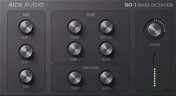
BO-1 solves the “my bass sounds thin” problem directly: it adds a synthesized note an octave below what you play, filling in the sub weight the original part is missing. It’s adaptive, tracking your playing so the lower octave locks to your notes cleanly instead of glitching the way older octave pedals do, and you blend in as much sub as the mix wants. That makes it useful in two spots: thickening a real bass that lacks bottom, and adding a felt-not-heard sub layer under a synth or a light acoustic. It does one job well, which is exactly what a low end sometimes needs.
10. LANDR FX Bass


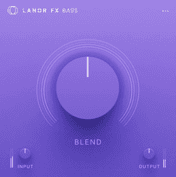
LANDR FX Bass is the quickest route to a finished bass without learning a mixing chain: it stacks the moves bass almost always needs (level, tone and a touch of drive) into one panel voiced for the instrument. Instead of loading a separate EQ, compressor and saturator and matching their settings, you push a couple of macro controls and the bass tightens up and sits. It’s for the producer who wants the low end to sound produced in one pass (on a recorded DI or a bass instrument’s output) and to get back to writing.
Best free bass plugin
You can cover real ground without spending anything. For a synth bass, TAL-BassLine (and the Roland SH-101-style TAL-BassLine-101) is free and widely used on released electronic tracks. For a played bass, Ample Bass P Lite is a free sampled Precision-style instrument that’s enough to sketch a part. “Free” means price, not quality. And on MuseHub the app itself installs free, so you can audition the paid bass tools in your own DAW before you commit.
How to choose
Start from the job. Recorded a bass and want a tone? That’s an amp/DI plugin: Neural DSP Parallax X or Ampeg SVX for depth, Bassknob STD for instant produced tone, Bassknob Trivium for heavy. No bass to record? That’s an instrument: Trilian for the most realistic sampled sound, MODO Bass 2 to shape a modeled one, Drelvyr Nox or TAL-BassLine for a synth low end. Then polish: BC-1 to even the level, BO-1 to add sub, LANDR FX Bass to finish in one panel. Most producers end up with two or three. Shaping bass dynamics is where our roundup of the best compressor plugins goes deeper.
Comparison table
| Plugin | Type | Price | Best for |
|---|---|---|---|
| Neural DSP Parallax X | Bass amp/DI sim (multi-band) | Paid | Modern, defined bass tone |
| Bassknob STD | Bass amp (one-knob) | Paid | Instant produced bass tone |
| IK Ampeg SVX | Bass amp/DI sim (classic) | Paid | Vintage Ampeg warmth and growl |
| Spectrasonics Trilian | Sampled bass instrument | Paid | The most realistic played bass |
| Bassknob Trivium | High-gain bass amp | Paid | Tight, heavy metal bass |
| BC-1 Bass Compressor | Bass compression | Paid | Even, solid low-end level |
| IK MODO Bass 2 | Modeled bass instrument | Paid | Designing a bass tone + feel |
| Drelvyr Nox | Bass synth | Paid | Sub-heavy electronic low end |
| BO-1 Bass Octaver | Octaver / sub | Paid | Adding sub weight |
| LANDR FX Bass | Bass processing channel | Paid | Finishing bass in one panel |
FAQ
Do I need a bass amp plugin, or can I just DI? You can absolutely just DI: a clean bass into your interface, with EQ and a little compression, is a valid pro sound and the start of most recorded bass. A bass amp sim adds warmth, grit and character on top; because cab sims matter less on bass than guitar, a plugin like Bassknob STD or Ampeg SVX is about the tone you want, not a requirement for a usable bass.
What’s the best free bass plugin? For synth bass, TAL-BassLine (a free SH-101-style synth). For a played, sampled bass, Ample Bass P Lite. Both are free in price and good enough for released tracks; on MuseHub, the app installs free so you can try the paid bass tools first.
Bass synth vs sampled bass — which should I use? Use a sampled or modeled instrument (Trilian, MODO Bass 2) when you want a real bass sound and don’t have a bass to record. Use a bass synth (Drelvyr Nox, TAL-BassLine) when you want an electronic low end: a clean sub or a growling designed tone that no real instrument makes. Many tracks use both: a synth sub under a played or sampled bass.
Should I compress bass? Usually yes. Bass notes vary a lot in level, and compression evens them so the low end stays steady under the mix; a dedicated tool like BC-1 does this without thinning the sub. Just don’t overdo it: too much compression flattens the groove and the dynamics that make a bassline feel alive.
Next steps
- Recording and mixing your low end? Read how to mix music yourself.
- Chasing an amp tone for guitar too? See the best guitar amp plugins.
- Evening out bass dynamics? See the best compressor plugins.
- Browse more amps, instruments and effects in the MuseHub plugins catalog.
Most of the plugins above (Bassknob STD and Trivium, BC-1, BO-1, Drelvyr Nox, LANDR FX Bass and hundreds more) install in one click with MuseHub. Download MuseHub free and build your low end in your own session.