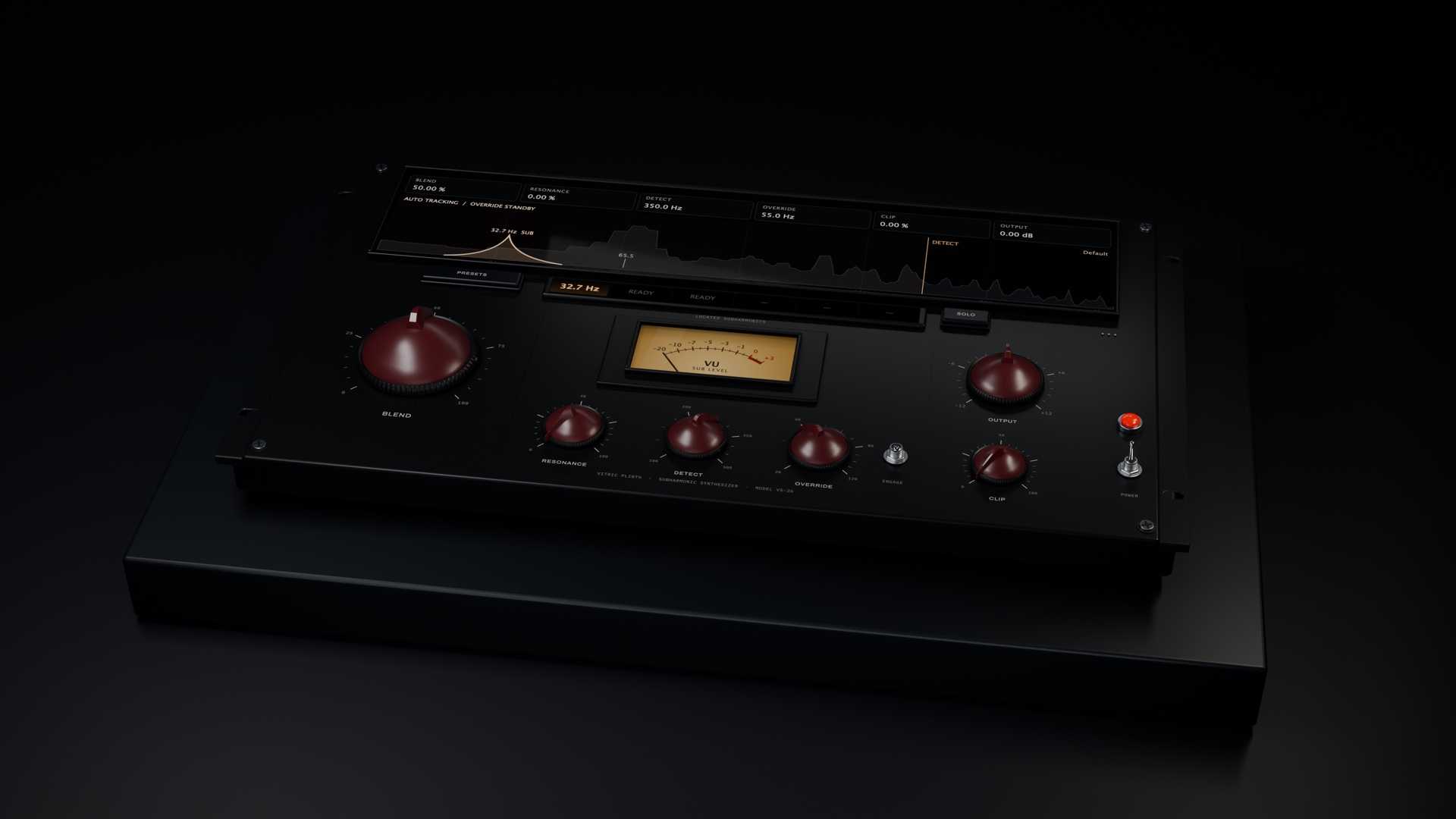

Kiln Synthesizer
Build the patch, or start from a sound.
A subharmonic synthesizer that shows its work: a filtered mono detector finds the fundamentals that are actually in your source, up to three voices generate a sub one octave below each one, phase-locked to it, and the screen draws both. Blend is a volume sum, the sub is mono and dead center, and there is no compressor, ducker or auto-makeup anywhere in the box.
The subharmonic synthesizer that shows its work.
A subharmonic synthesizer that shows its work: a filtered mono detector finds the fundamentals that are actually in your source, up to three voices generate a sub one octave below each one, phase-locked to it, and the screen draws both. Blend is a volume sum, the sub is mono and dead center, and there is no compressor, ducker or auto-makeup anywhere in the box.
The subharmonic synthesizer that shows its work.
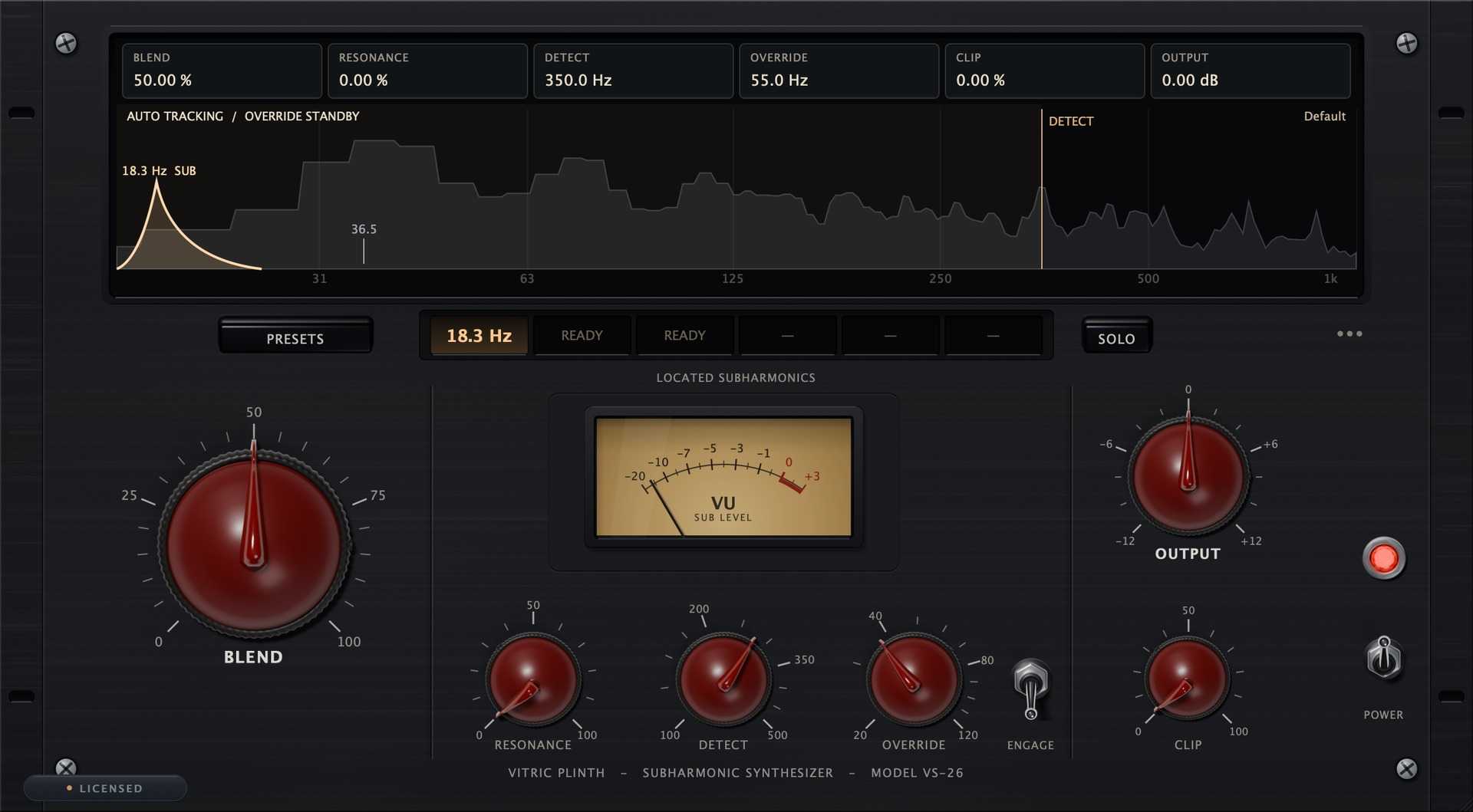
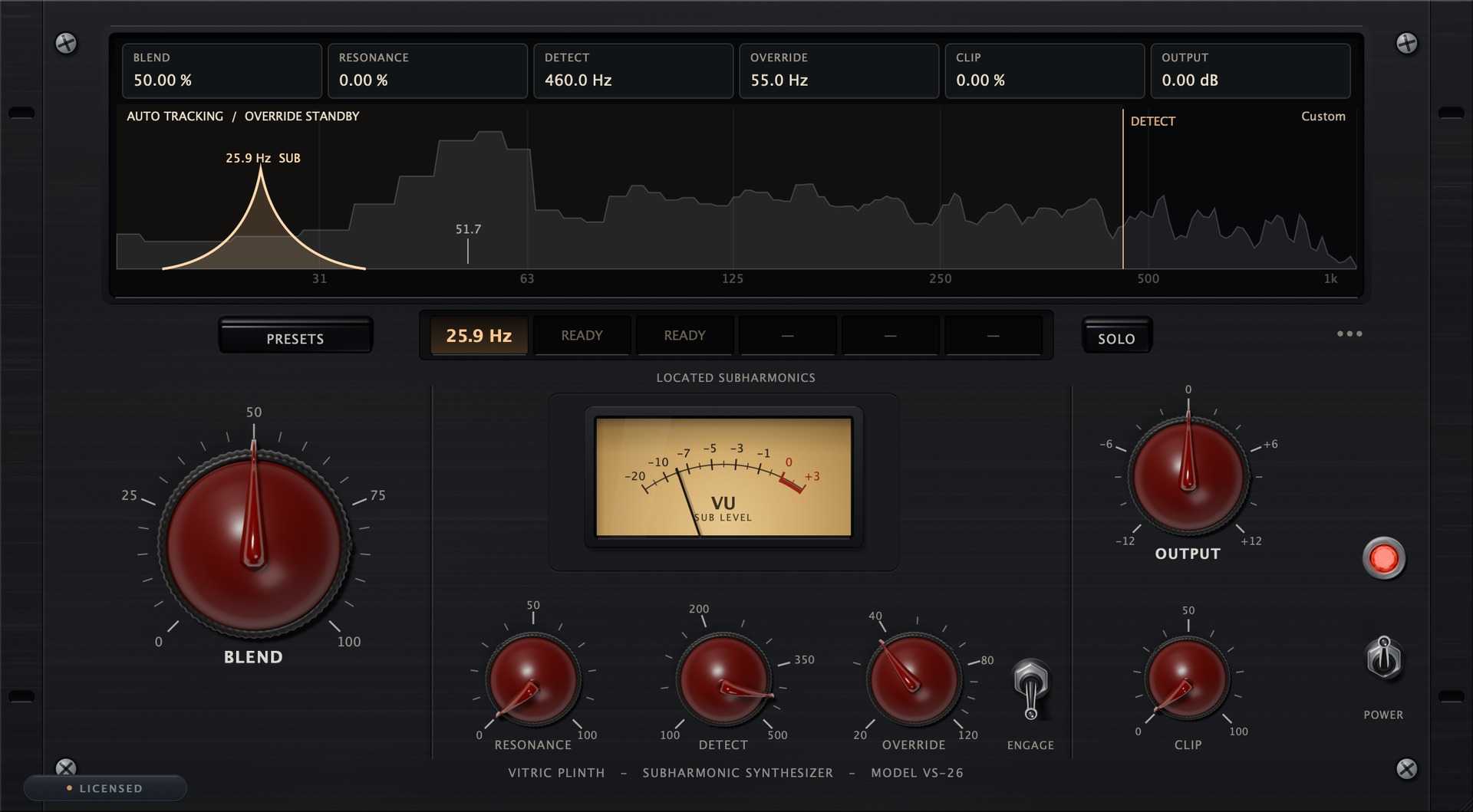
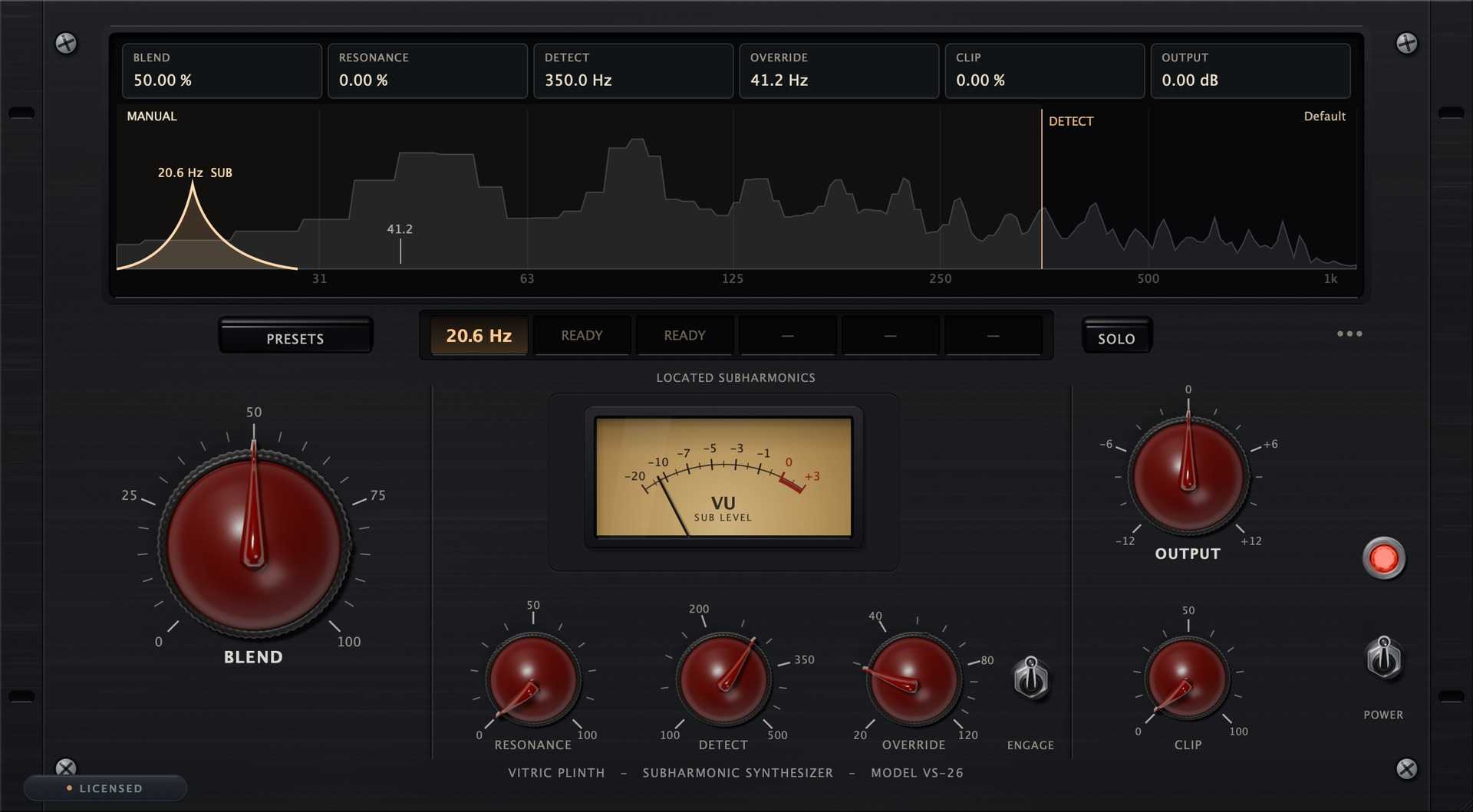
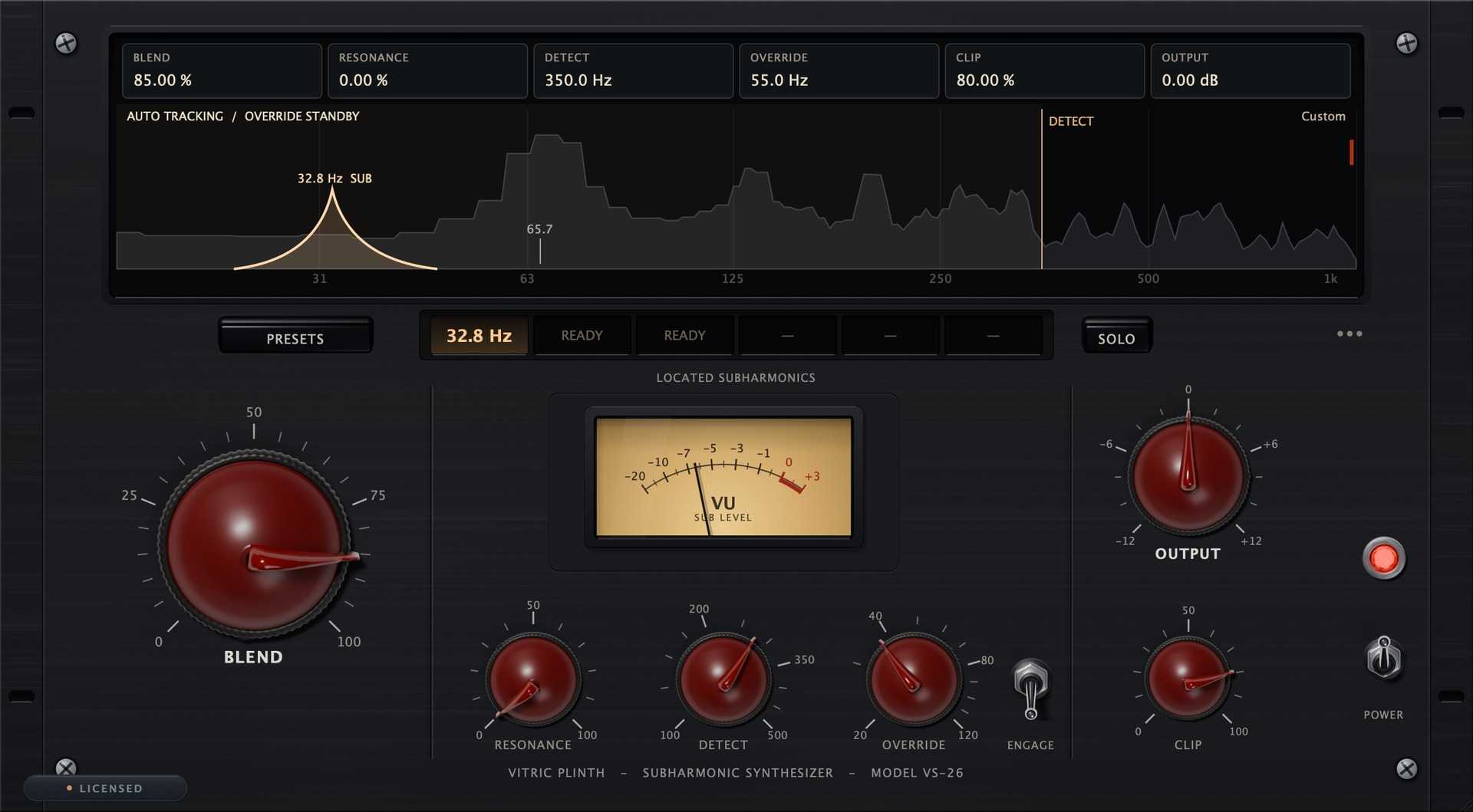
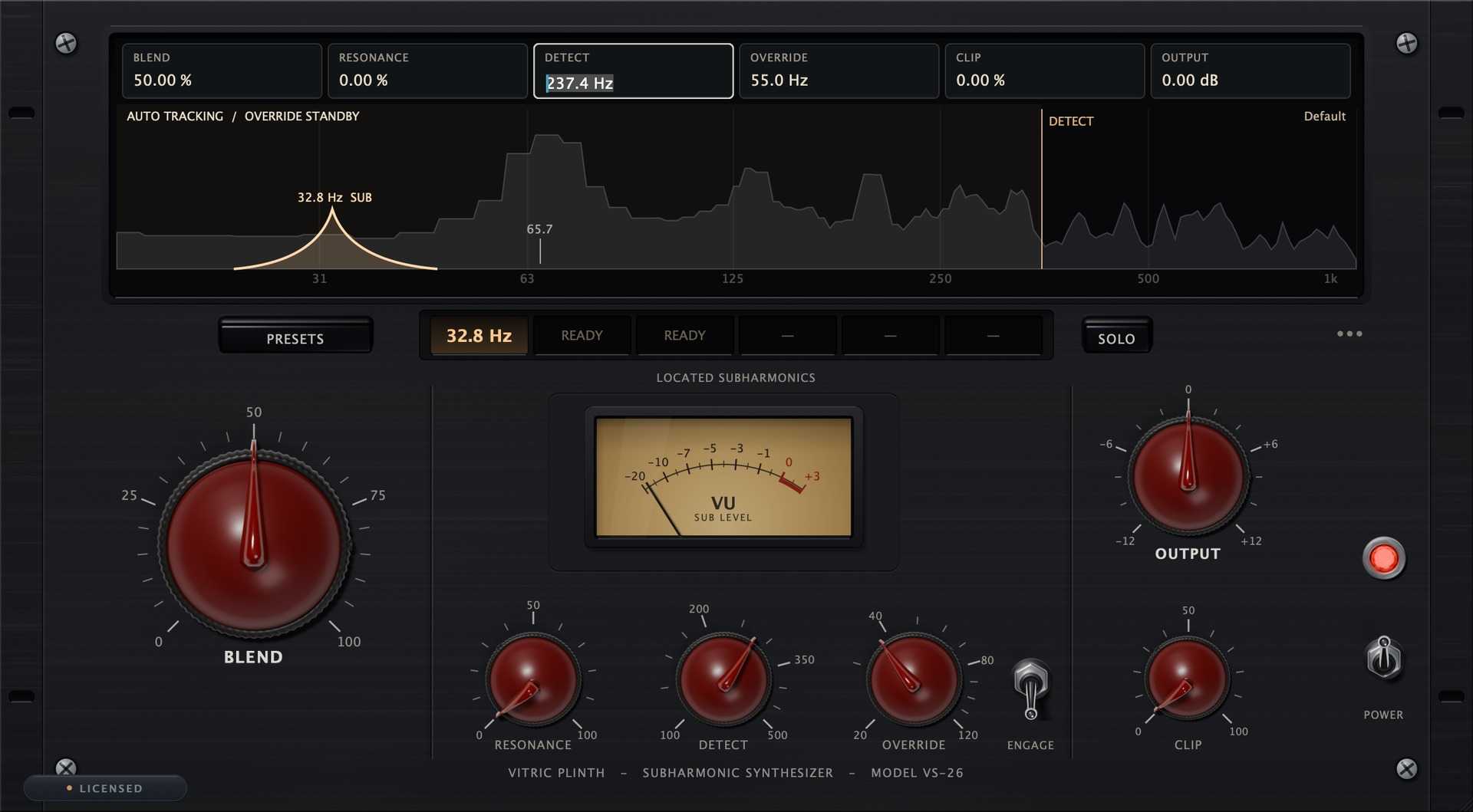
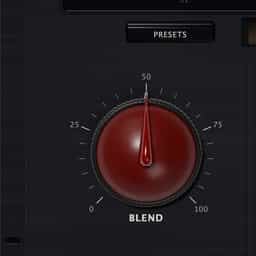
Plinth Subharmonic Synthesizer adds weight to your low end by listening to the bass notes in your track and generating a tone one octave below, locked in phase so the two line up. Set the DETECT line, 100 to 500 Hz, to say how high Plinth listens, or turn on ENGAGE and pin a note by hand with OVERRIDE. It generates up to three sub voices on one mono bus, dead center, safe for clubs, vinyl and mono playback. Add RESONANCE for a tuned bloom, then use BLEND to sum the sub into your untouched dry signal, soften peaks with the optional CLIP and trim with OUTPUT. SOLO plays only the sub Plinth added. The screen marks the notes it found and draws the sub it made as the brightest curve, so the low end stops being guesswork. The detector listens on its own path, so your dry signal is never processed, and on unpitched material like noise it stays silent. No compressor or ducker reshapes the groove underneath. With 32 factory starting points named for sources like 808, Bass DI and Mix Bus, and zero reported latency, Plinth gives you sub weight you can see and check.
Not enough reviews yet
Build the patch, or start from a sound.
Perfect your bottom-end
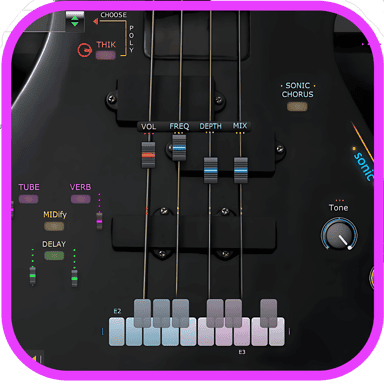
Warm and Deep Synthesized Electric Bass (Win VST3)
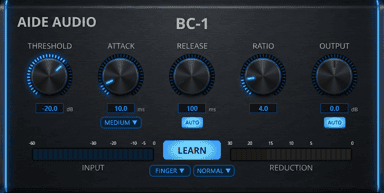
Adaptive Bass Compressor
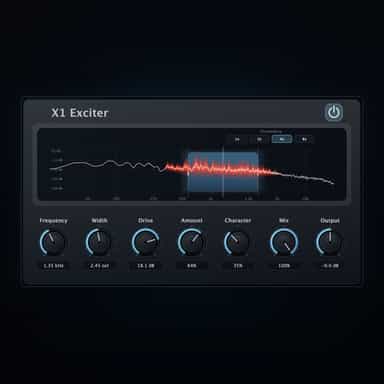
Add Clarity, Presence, and Detail

One sound. Four knobs. Measured.
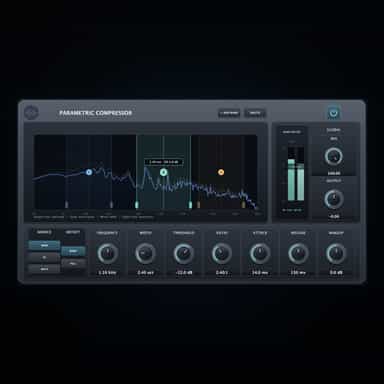
Add compression exactly where you need it

Layered Bass Rig & Tone Shaping
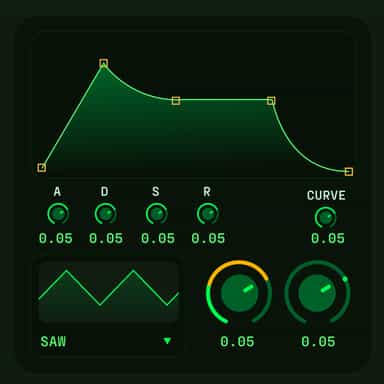
Synthesizer with Controllable Instability
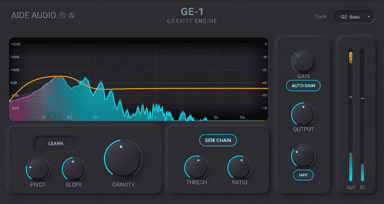
Adaptive Tilt EQ for Bass