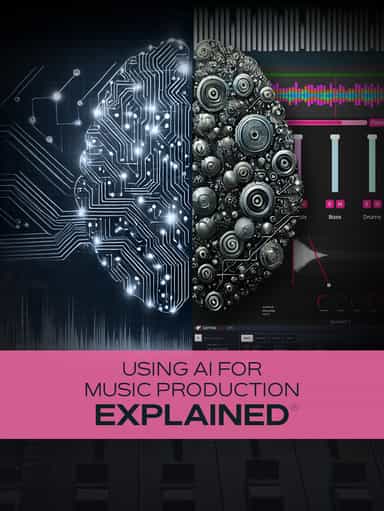
Using AI for Music Production Explained
Create, Remix, and Expand Music Ideas with AI Tools and Plugins
€12.99
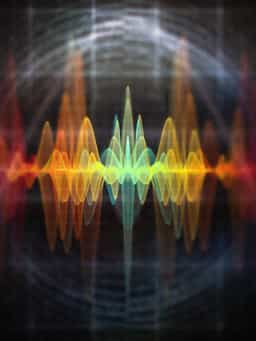
Learn how to use an oscilloscope for music production to analyze waveforms, improve phase alignment, evaluate processing, and make more informed mixing decisions.
1 hr 20 min · Laurence Holcombe
Learn how to use an oscilloscope for music production to analyze waveforms, improve phase alignment, evaluate processing, and make more informed mixing decisions.
1 hr 20 min · Laurence Holcombe
“Using an Oscilloscope for Music Production Explained®” demonstrates practical ways an oscilloscope can be used to analyze audio and support production decisions. In this course, Larry Holcombe explores how waveform visualization can help you better understand audio processing, phase relationships, and dynamics. The training begins by examining kick drums, including analyzing transient level, tail length, and fundamental pitch. You'll also learn how an oscilloscope can be used to check phase coherence when layering kick samples. Next, the course explores how visual feedback can help you evaluate the effects of compression, transient shaping, and saturation. Additional lessons demonstrate how to examine the phase relationship between kick and bass and use the oscilloscope when setting attack times for sidechain processing. The series concludes by exploring how transients influence front-to-back depth in a mix and how waveform visualization can assist when evaluating loudness throughout the production process.
Not enough reviews yet
Create, Remix, and Expand Music Ideas with AI Tools and Plugins

Learn EDM Structure, Kick & Bass Design, Builds, Stereo Width & Automation
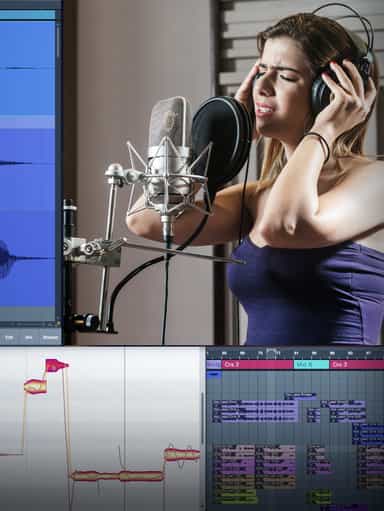
Edit, Comp, Tune, and Produce Professional-Quality Vocals in Your DAW
Learn tips on how to create effective HyperPop productions with these informative video tutorials.
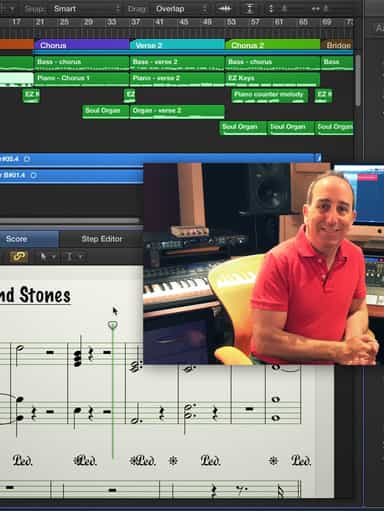
Turn a Song Idea into a Full Band Arrangement & Finished Mix
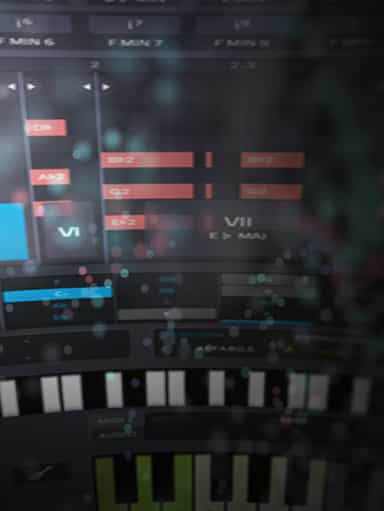
Create Chord Progressions and Arrangements Using Captain Plugins & Scaler 2
Develop Better Production Skills with Focused Practice Techniques
Build, Arrange, Mix & Master a Complete Tech House Track

Recording, Editing & Mixing Audio for Video Inside Pro Tools
Modern Vocal Effects and Creative Processing Techniques for Contemporary Productions
Not enough reviews yet