Best brass VSTs in 2026 (free and paid)
Brass is the loudest voice in the orchestra and the hardest to fake. A trumpet fanfare, a horn call or a trombone swell only convinces when the attack, the dynamics and the room all feel like real players. Recording a brass section means a hall and a dozen specialists, so most composers use a brass library instead: samples of real players you perform from a MIDI keyboard or write into a score. The best brass VSTs in 2026 range from free sets with a full section to flagship libraries recorded in famous halls, and most install in one click through MuseHub.
Top picks at a glance:
- Best free all-rounder: Muse Brass, a full brass family in MuseScore Studio at no cost.
- Best for detail and control: Berlin Brass (Orchestral Tools).
- Best cinematic sound: CineBrass (Cinesamples).
- Best large-scale brass: Symphony Brass (Spitfire Audio) and Vienna Brass (Vienna Symphonic Library).
- Best free low brass: Free Vienna Bass Trombones.
- Best for band writing: Euphonium.
How we choose: we rank on realism, range of players and value, and we place free and paid libraries on merit, not by brand.
What to look for in a brass VST
A VST is a plugin that loads instruments inside a DAW (digital audio workstation), and you play it from a MIDI keyboard. New to MIDI? Our guide to what MIDI is and how it works covers the basics. The MuseHub brass libraries below are MuseSounds, which play back inside MuseScore Studio, the free notation software, rather than loading as DAW plugins. The free DAW options at the end are the exception.
Players and sections. Brass libraries split into solo players and sections. A solo trumpet is exposed and personal. An ensemble such as a four-trumpet section gives the big, blended sound of a score. Most libraries here include both, so you can layer a soloist over a section.
Dynamics and attack. Brass changes character as it gets louder, from soft and round to bright and biting. A good library crossfades smoothly between those layers, and its short notes should speak cleanly instead of sounding clipped.
The room. A library recorded on a scoring stage sounds polished and cinematic. One recorded in a concert hall feels more natural and open. Neither is better, so match the room to your music.
Range of instruments. Trumpets, horns and trombones cover most writing. Tubas, bass trombones and cimbasso add weight at the bottom, and it helps when one library offers all of them.
The 9 best brass VSTs
1. Muse Brass

Muse Brass is the best place to start because it is free and covers the whole family. It gives you a solo trumpet with a four-player section, a solo French horn with a six-player section, a solo trombone with a three-player section, plus bass trombone, cimbasso and tuba. That range means you can score a complete brass part without paying for a single library. It plays in MuseScore Studio and installs through the free MuseHub app. It is not as refined as the paid flagships when it comes to dynamics and short notes, so treat it as a strong sketching and learning tool and a good final sound for many projects.
2. Berlin Brass

Berlin Brass, by Orchestral Tools, is the pick for detail. It offers both solo players and ensembles, recorded at natural gain levels with the players placed as they would sit in an orchestra. That seating makes the sections blend the way a real brass choir does, which helps your parts sound scored instead of stacked. Choose it when you want a flagship orchestral sound and control over individual lines. The Berlin Series on MuseHub shows how it fits with the strings and woodwinds.
3. CineBrass

CineBrass, by Cinesamples, was recorded at the MGM Scoring Stage, a room known for film music. The result is a big, polished tone built for trailers, games and film cues, where brass has to fill the screen. On MuseHub it comes as a MuseSounds library, so a composer scoring in notation gets that scoring-stage character without a DAW. Reach for it when you want brass that sounds like a soundtrack. The full Cinesamples range lists the companion libraries.
4. Symphony Brass

Symphony Brass, by Spitfire Audio, covers a wide span from solo players to large groups. It includes cimbassi, a contrabass trombone and a tuba, and some instruments offer true legato, which lets a melodic line move between notes the way a player would. That reach into the low register makes it a good fit for heavy, weighty writing. Spitfire Audio on MuseHub explains how it sits beside the rest of the range.
5. Vienna Brass

Vienna Brass brings the Vienna Symphonic Library’s players to MuseScore Studio, recorded at the Synchron Stage in Vienna. It pairs a French horn ensemble of six with a four-player trumpet section, a trombone section, a bass trombone and a tuba. Having each section already voiced as an ensemble means you can write chords for a whole brass choir with one instrument per line. It suits composers who want a refined, classical-orchestra sound. Vienna Symphonic Library on MuseHub lists every Vienna library.
6. Free Vienna Bass Trombones

Free Vienna Bass Trombones is a free ensemble of nine bass trombones, recorded at the Vienna Synchron Stage and derived from Big Bang Orchestra Zodiac. Nine players on one instrument is a very heavy, dark sound, which is exactly what you want for brooding low brass in a cue. It is a niche library rather than a full brass set, so pair it with Muse Brass for the upper voices.
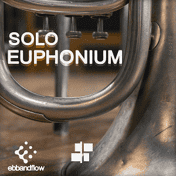
7. Euphonium

Euphonium, by ebbandflow, is a solo instrument aimed at band, orchestra or solo writing. The euphonium is the warm tenor voice of the brass band, and it is missing from most orchestral libraries, which is why a dedicated library is useful. Choose it when you are writing for concert or brass band, or want a mellow lead line that a trombone is too bright to give you.
8. BBC Symphony Orchestra Discover
BBC Symphony Orchestra Discover is Spitfire Audio’s free edition of the full BBC Symphony Orchestra library. It includes 33 instruments and 47 techniques across the orchestra, brass among them, in a small download. It loads as a plugin in a DAW, so it is the free pick for producers who work outside notation. It is a good way to learn how a full orchestra sits together.
9. DSK Brass
DSK Brass is a free brass library with 23 instruments and two layers. It is lightweight and easy to load, which makes it handy for quick sketches in a DAW. It does not match the depth of the premium libraries above, but for a free download it covers trumpets, horns and trombones with little setup.
Best free brass VST
Start with Muse Brass if you write in MuseScore Studio. It is free, covers solo and section players across the whole family, and installs in one click. Add Free Vienna Bass Trombones for a dark low-brass ensemble. If you work in a DAW, use BBC Symphony Orchestra Discover or DSK Brass. For more zero-cost instruments across the orchestra, see our complete guide to free MuseSounds.
How to choose
Scoring to picture? CineBrass and Berlin Brass give you the polished, big-room sound. Writing orchestral music with full sections? Symphony Brass and Vienna Brass offer ensembles you can write chords for. Need low brass? Free Vienna Bass Trombones and the low instruments in Symphony Brass cover the bottom end. Writing for a band? Add Euphonium. Starting out or on a budget? Muse Brass gives you the complete family for free. Many composers keep a free set for sketching and one flagship for the final render.
Comparison table
| Pick | Type | Price | Best for |
|---|---|---|---|
| Muse Brass | Full brass family (MuseScore Studio) | Free | Learning and sketching a full brass part |
| Berlin Brass | Solo and ensemble (MuseScore Studio) | THB 1,591.99 | Detailed, controlled orchestral brass |
| CineBrass | Cinematic brass (MuseScore Studio) | THB 1,591.99 | Film and trailer scoring |
| Symphony Brass | Solo to large groups (MuseScore Studio) | THB 1,492.99 | Weighty low brass and legato lines |
| Vienna Brass | Section ensembles (MuseScore Studio) | THB 1,991.99 | Refined orchestral brass choirs |
| Free Vienna Bass Trombones | Nine-player ensemble (MuseScore Studio) | Free | Dark, heavy low brass |
| Euphonium | Solo instrument (MuseScore Studio) | THB 523.99 | Band and mellow tenor lines |
| BBC Symphony Orchestra Discover | Orchestra plugin (DAW) | Free | Free brass inside a DAW |
| DSK Brass | Brass plugin (DAW) | Free | Quick DAW sketches |
FAQ
What is the best brass VST? It depends on the job. Berlin Brass suits detailed orchestral writing, CineBrass suits film and trailer music, and Symphony Brass and Vienna Brass suit large-section writing. Muse Brass is the best free option and covers the whole family.
What is the best free brass VST? Muse Brass is the best free choice for notation, since it includes trumpet, horn, trombone, bass trombone, cimbasso and tuba. For a DAW, BBC Symphony Orchestra Discover and DSK Brass are the most used free plugins.
Can I use these brass libraries in my DAW? The MuseHub libraries are MuseSounds, which play in MuseScore Studio rather than loading as DAW plugins. BBC Symphony Orchestra Discover and DSK Brass load in a DAW. If you write in notation, the MuseSounds route is the fastest.
What is the difference between solo and section brass? A solo library is one player, exposed and personal, for a lead line. A section is several players on one part, giving the big blended sound of a score. Layering a soloist over a section is a common way to get both.
Is there a good euphonium library? Yes. Euphonium by ebbandflow is a dedicated solo library for band, orchestra or solo writing, and it covers an instrument most orchestral libraries leave out.
Next steps
What MuseSounds Pro includes explains how to get the paid libraries in one subscription.
- Writing for the whole orchestra? Read our roundup of the best orchestral VSTs.
- Adding strings under your brass? See the best strings VSTs.
- Writing for voices as well? See the best choir VSTs.
- Browse the full library in the MuseSounds catalog.
Muse Brass, Berlin Brass, CineBrass and the rest install in one click with MuseHub, straight into MuseScore Studio. Download MuseHub free and start writing for brass today.