$12.99 $24.99
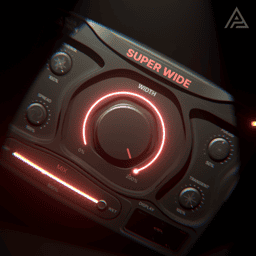
Width from 0–200% with a center that doesn't fall apart on a phone speaker. Micro-pitch dimension, band-distributed depth, center glue, transient punch placement, and auto mono lock below 135 Hz. One-click mono check built in. Free.
Hyper-wide stereo that holds up in mono.
Width from 0–200% with a center that doesn't fall apart on a phone speaker. Micro-pitch dimension, band-distributed depth, center glue, transient punch placement, and auto mono lock below 135 Hz. One-click mono check built in. Free.
Hyper-wide stereo that holds up in mono.
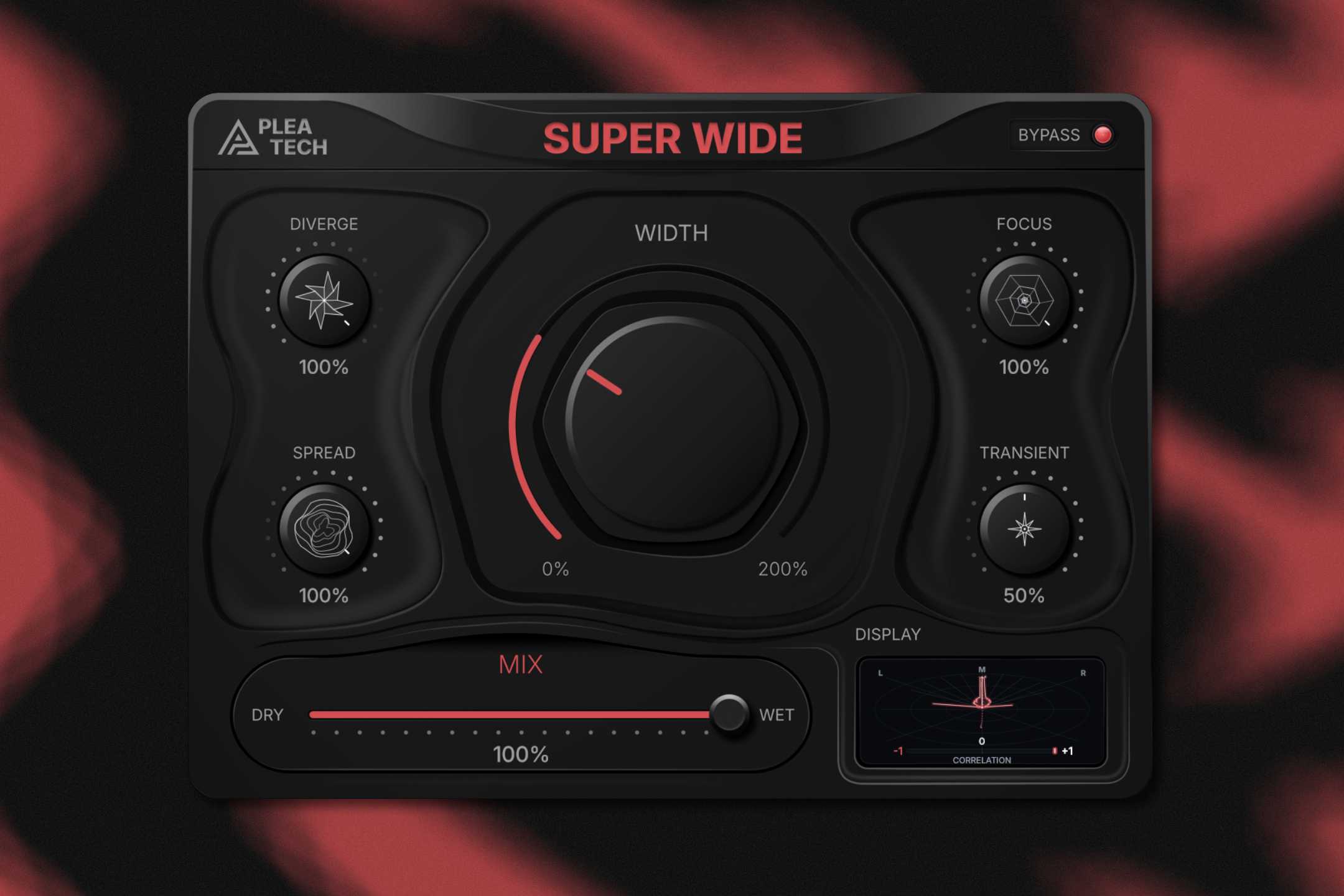
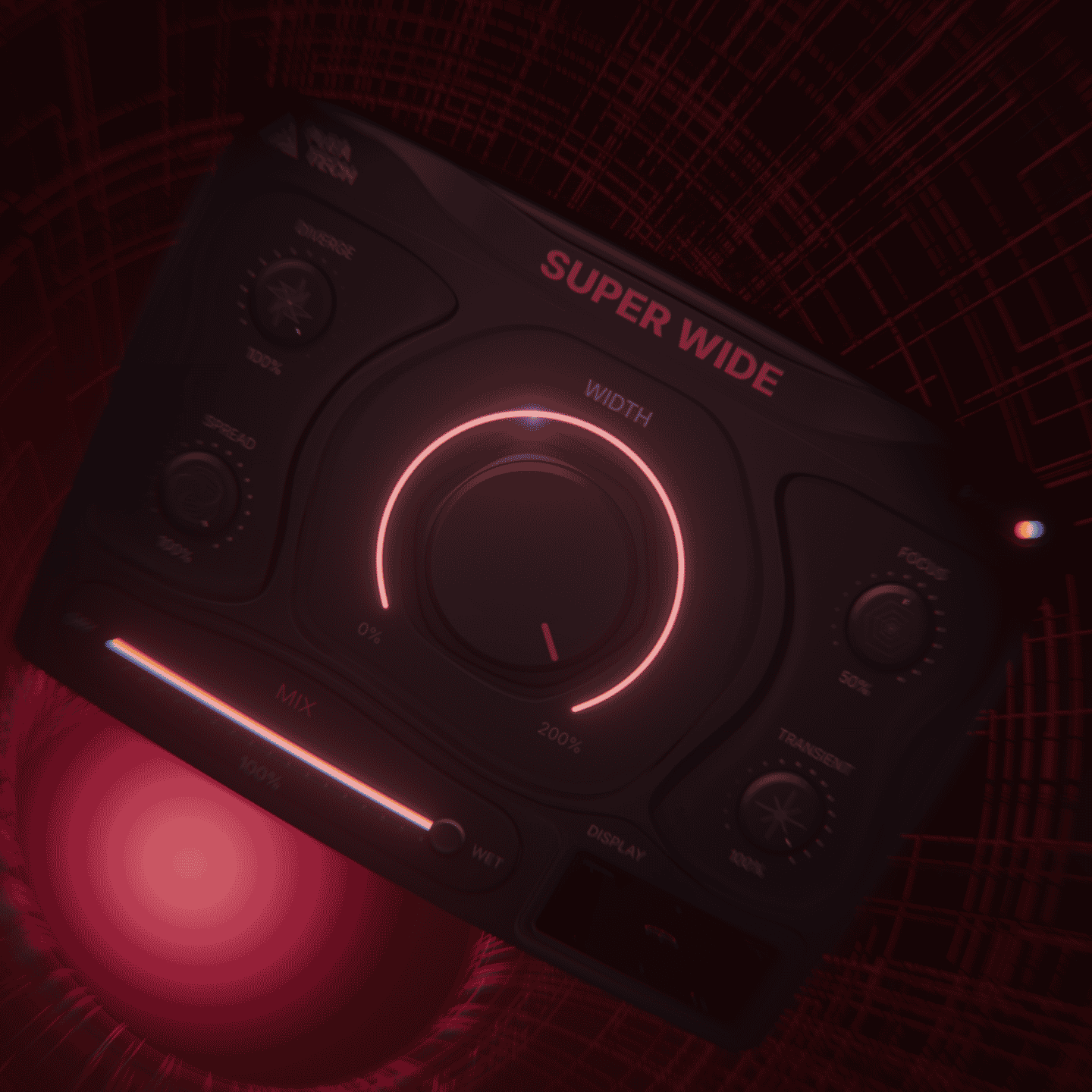
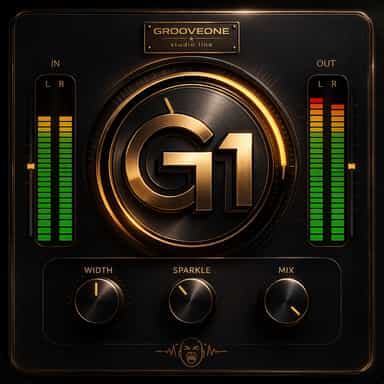
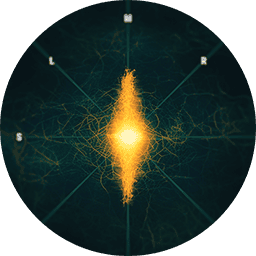
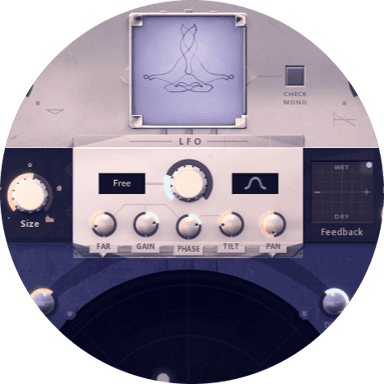
Most stereo wideners work great until they don't. You crank the width, it sounds massive in headphones, you send the track out into the world, and half of it vanishes the second it hits a phone speaker or a mono club system. There's also an issue nobody talks about enough: a lot of wideners blur the attack on drums and vocals because they're smearing the transient across the field to manufacture that wide feeling. You trade punch for size. Super Wide tries to avoid both problems. Everything under 135 Hz is locked to mono automatically, no setting required, it just happens. So your kick and bass stay anchored even when the Width knob is at 200%. The center information holds solid past 100%, so the sound doesn't hollow out on small speakers. Here's what the controls actually do: Width goes from 0% (pure mono) to 200% (hyper-wide). At 100% you're at normal stereo. Past 100% it keeps expanding the sides while the center stays put. Diverge adds micro-pitch drift between left and right channels. Mono sources start feeling like they were actually recorded in stereo, without the obvious wobble of chorus. Subtle. Useful on pads, sustained synths, room mics. Spread distributes frequency bands across the stereo field. Lows stay centered, mids spread a bit, highs open up. Creates natural depth rather than just width, and without the metallic ringing you get from comb-filtering wideners. Focus glues the center channel while adding tape saturation and a bit of air to the sides. Useful when the image feels loose or when you want the sides to have slightly more texture than the core. Transient lets you decide where attacks land. Pin them dead-center for tight punch, or let them burst wide for washy, spacious energy. Mix is dry/wet. Nothing exciting to report there. The M button checks your mono sum in one click. L and R let you hear just the sides. Both extremely useful for not embarrassing yourself before a release.
Not enough reviews yet