-$340

The Vitric Bundle
Eleven plugins. One collection.
$2.50/m or $59.99 $399.99
An analog-style saturator for drums, bass and instruments, from a gentle lift to obvious distortion, with Mix for parallel blend and auto output compensation.
Analog-style saturator: Drive, Tone and Mix
An analog-style saturator for drums, bass and instruments, from a gentle lift to obvious distortion, with Mix for parallel blend and auto output compensation.
Analog-style saturator: Drive, Tone and Mix
Eleven plugins. One collection.
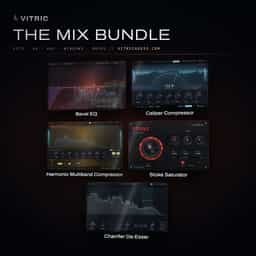
Five plugins for the core of a mix
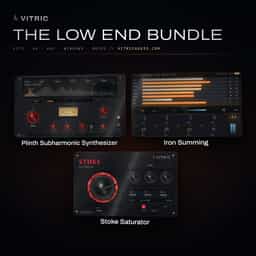
Weight, glue and heat for the bottom of the record.
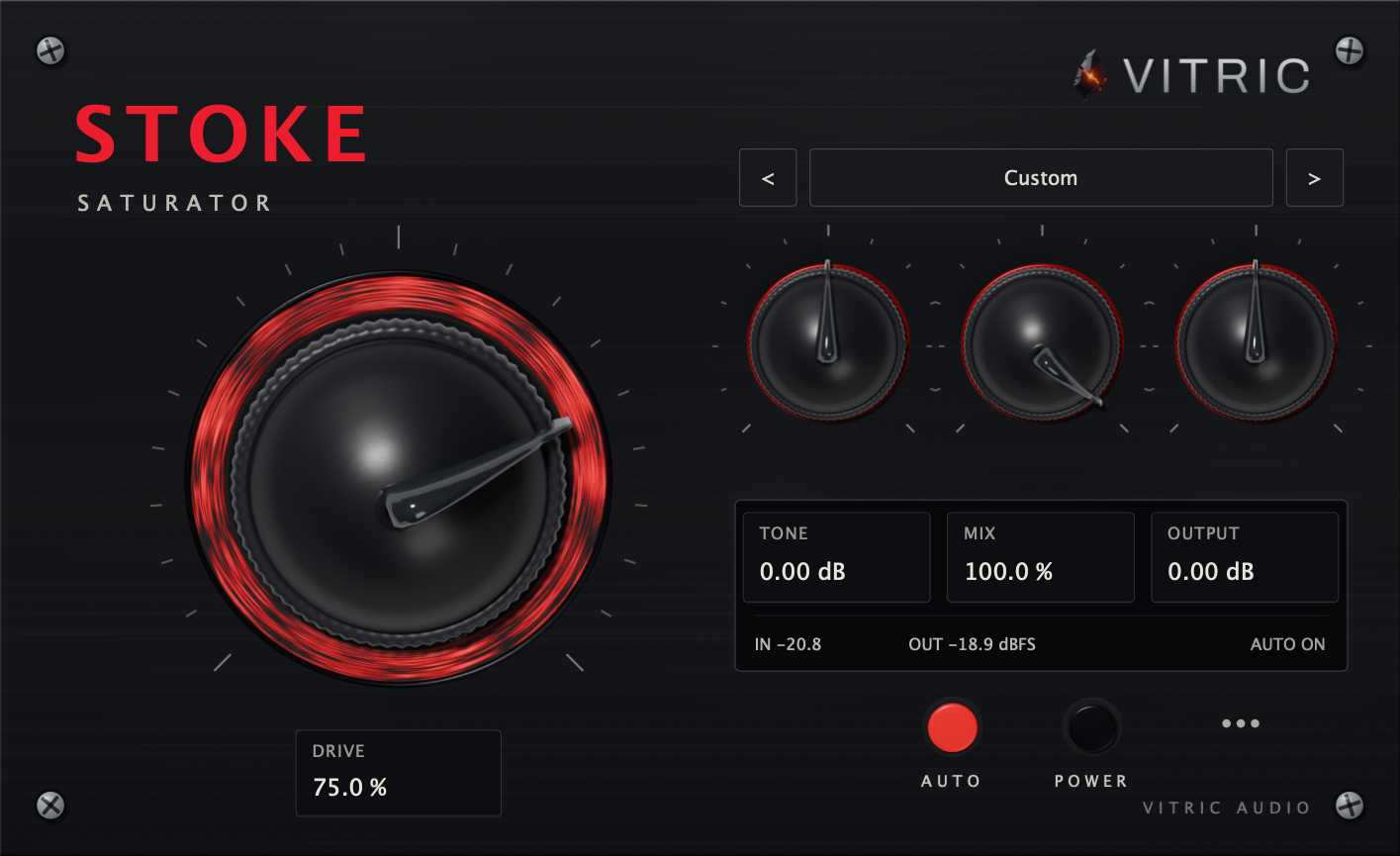
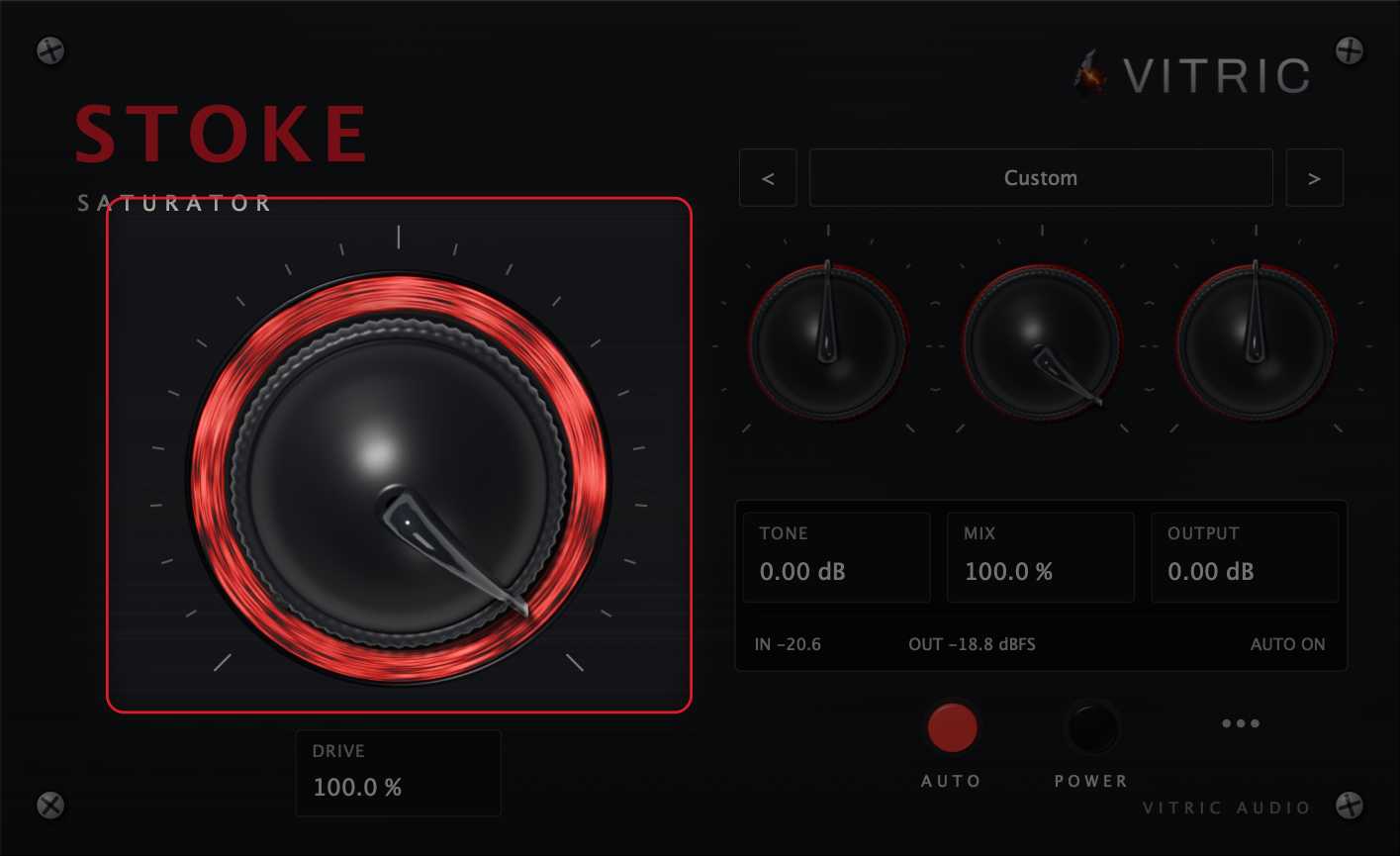
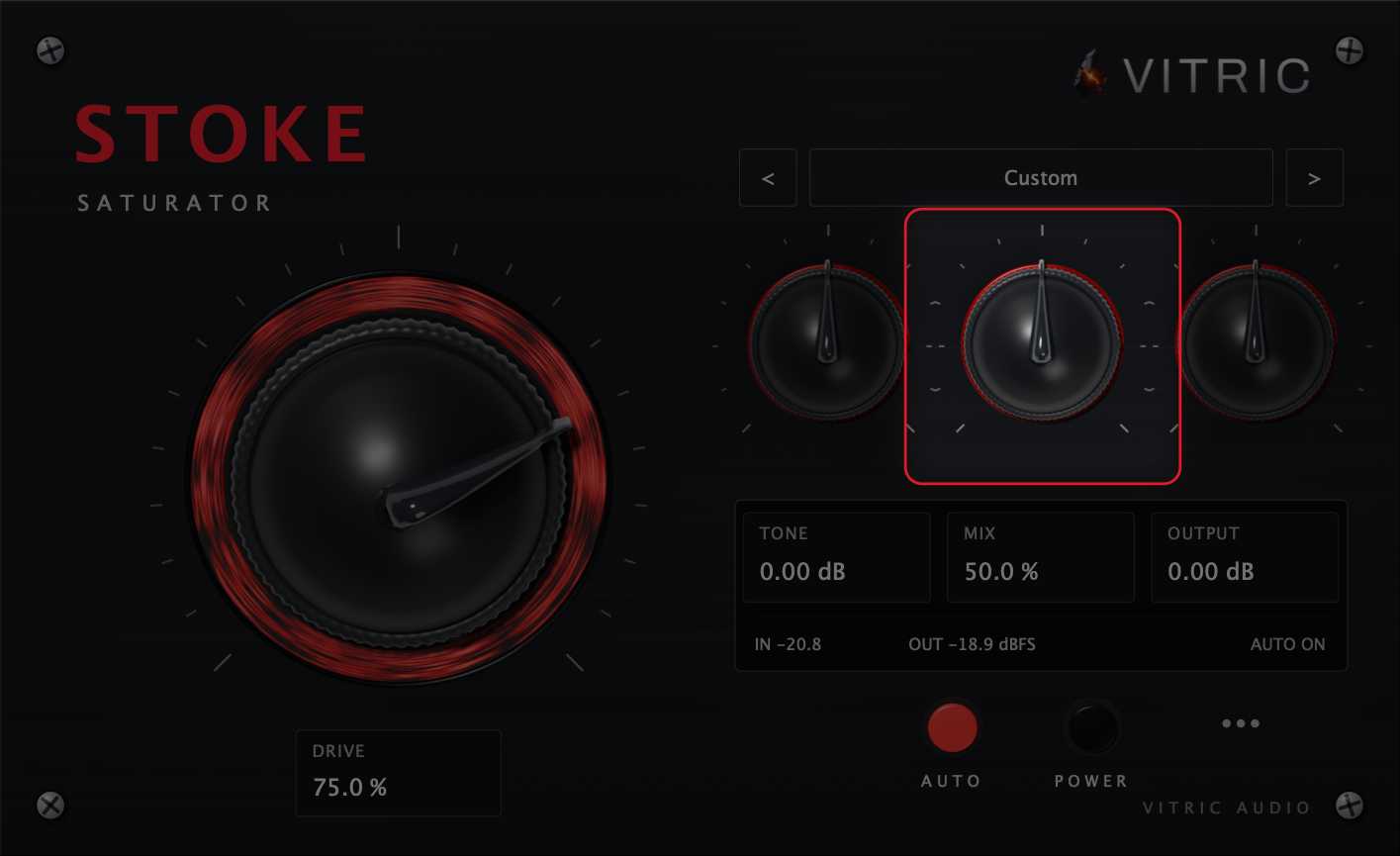
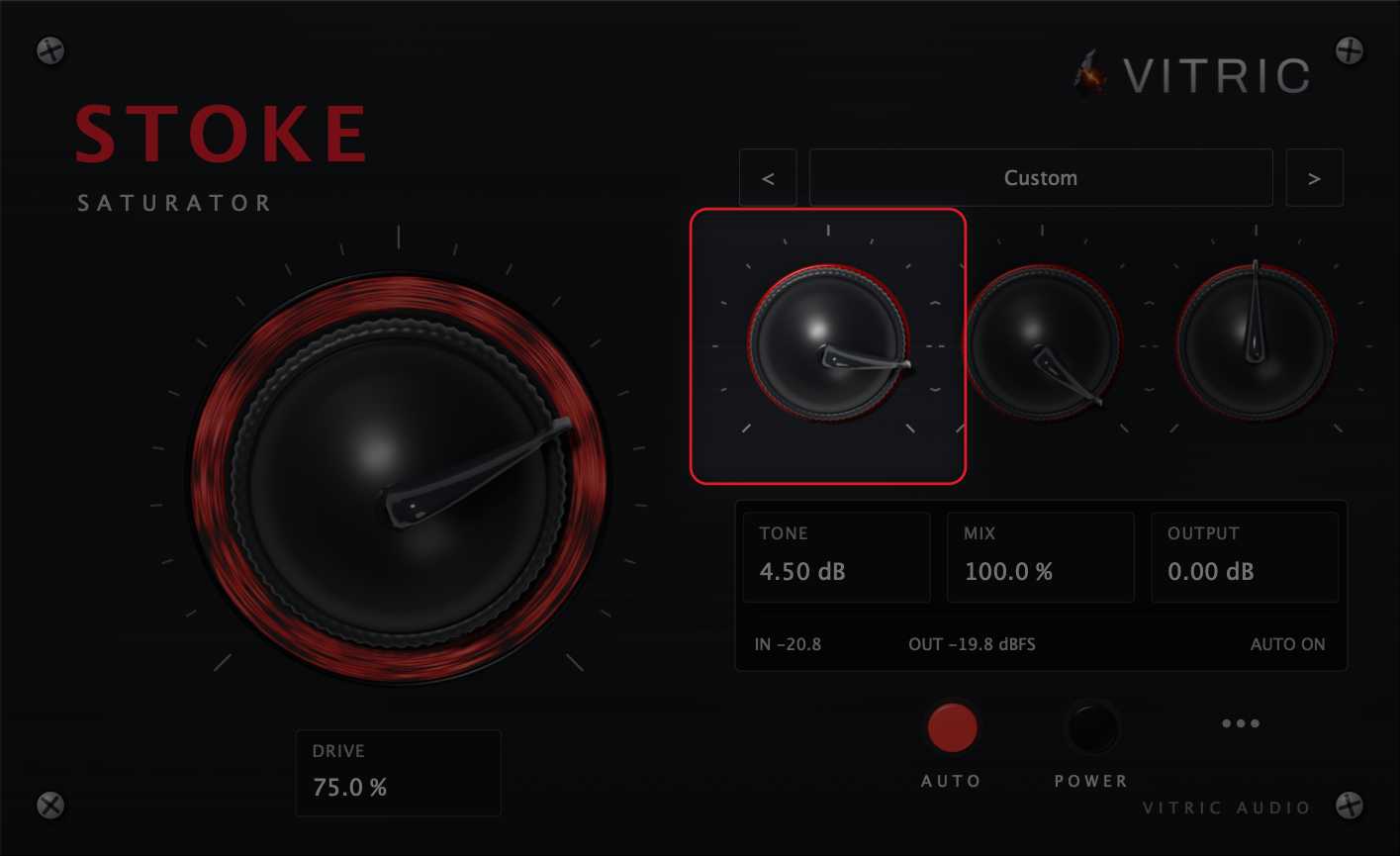
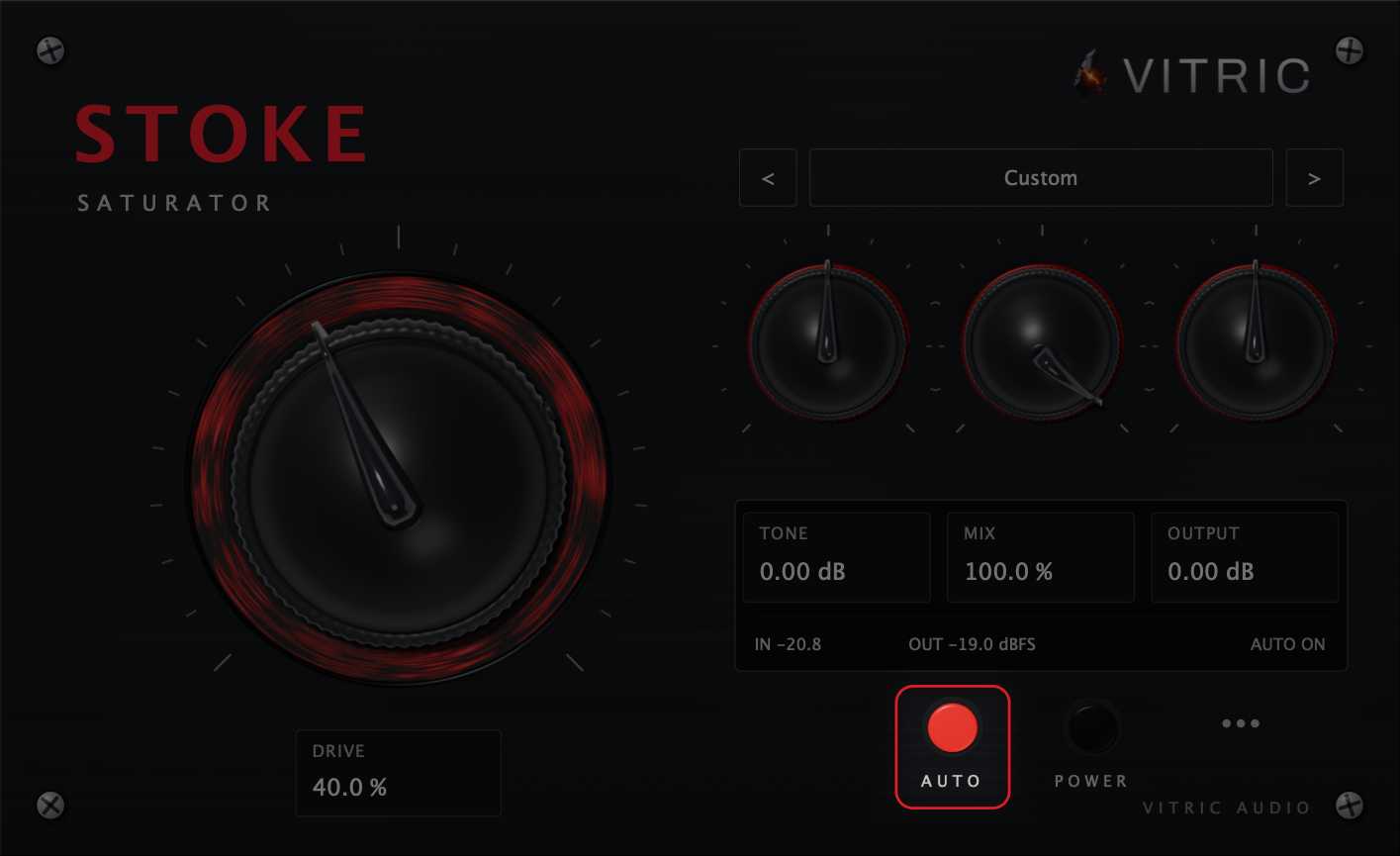
DRIVE is one sound that deepens as you turn it. Low settings add warmth from the second harmonic, an octave above each note, and higher settings bring in brighter upper harmonics that are held back before they turn shrill. With AUTO on, turning DRIVE up makes the sound thicker rather than louder, with the loudness held steady across the whole range, so you judge the character and not the volume. Stoke listens to how loud your track arrives and calibrates itself, so DRIVE at 40 percent gives the same character on a quiet track around -24 dBFS as on a loud one around -6 dBFS. It settles within about ten seconds, slowly enough that you never hear it pump. Character trim in the menu shifts that point denser or cleaner, with no jump in level. TONE tilts the saturated sound around 800 Hz, brighter one way and darker the other, while the dry part of the blend is never tilted. The dry and saturated paths are lined up to the sample, so any MIX setting stays clean, with no hollow or phasey sound. The glow around DRIVE shows how hard the saturation is working, and POWER switches it out without a click. Twelve starting points are named for the job, from Drum Bus Glue and 808 Weight to Lead Vocal Warmth, Piano Glue and Parallel Crush, and you can save your own. Stoke adds a fixed 6-sample delay at 48 kHz, which it reports to your DAW so everything stays aligned. AU, VST3 and AAX on macOS; VST3 and AAX on Windows. Installs and updates through MuseHub, with no license key. Requires macOS 10.15 or later on Intel or macOS 11 or later on Apple silicon, or Windows 10 or later, 64-bit.
Not enough reviews yet
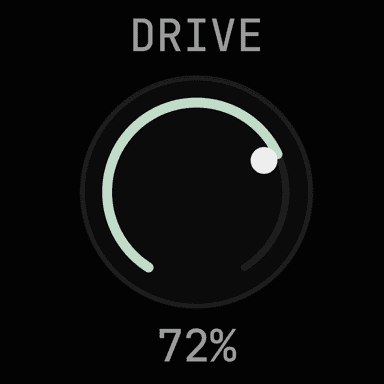
Drive Without Mud
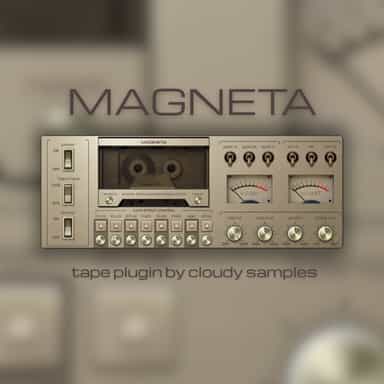
Experience the magic of authentic cassette tape.
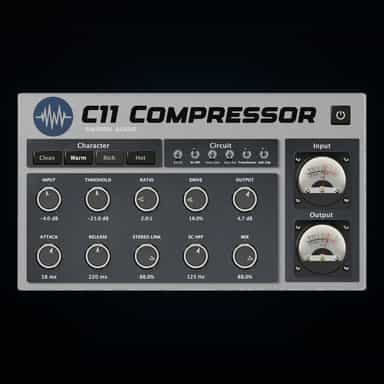
Tube Compression with Weight, Warmth & Control
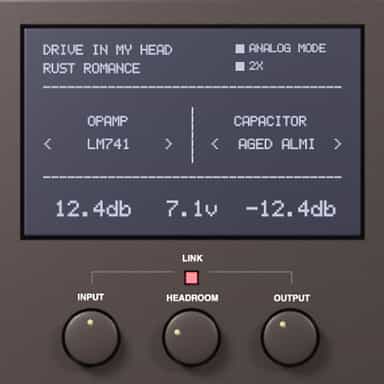
Analog attitude for tracks that feel too clean.

The Ultimate Vintage Character Effect
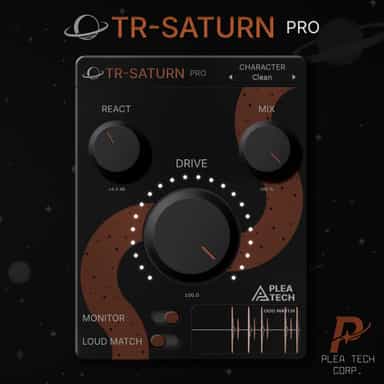
Drum saturation that preserve your dynamics.

Minimalistic Distortion and Saturation Plugin
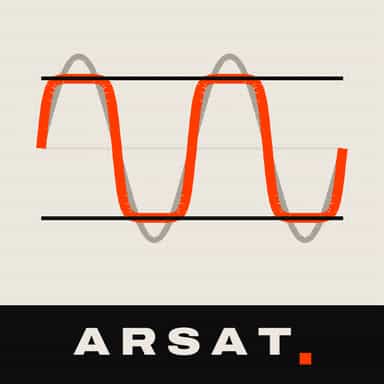
Four saturation styles with flexible control
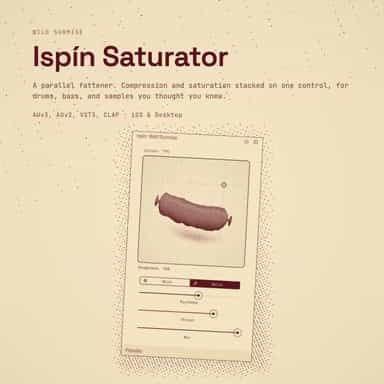
Weight, warmth and grit for thin-sounding tracks
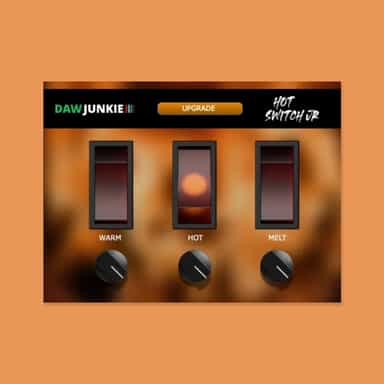
Warm, Saturated Distortion Plugin
Not enough reviews yet