Best orchestral & cinematic percussion VSTs (2026)
Percussion is what gives a score its impact — the timpani roll under a swell, the snare driving a march, the wall of toms and booms behind a trailer. A percussion VST puts a room full of studio-recorded drums, mallets and cymbals in your session, whether you’re scoring in a DAW or writing in notation. Here are the best orchestral, cinematic and marching percussion libraries in 2026, a mix of professional favorites and free picks, with the free Muse Percussion and Muse Drumline one click away on MuseHub.
“Percussion VST” covers three different jobs — the classical orchestral battery, epic cinematic ensembles for trailers and action, and marching drumline. This roundup covers all three, flags which library does which, and separates them from the electronic and kit drum plugins that answer a different search.
Top picks at a glance:
- Best cinematic/epic: Heavyocity Damage 2 (paid); Cerberus on MuseHub for a hard-hitting three-drummer battery.
- Best all-in-one orchestral: CinePerc (Cinesamples), with Berlin Percussion (Orchestral Tools) for the detailed classical section.
- Best free: Muse Percussion (orchestral battery) and Muse Drumline (marching) — studio-recorded, free in MuseScore Studio via MuseHub.
- Best marching drumline: Muse Drumline (free) or Virtual Drumline (Tapspace) for deeper detail.
How we choose: we rank on sound, realism and value across classical, cinematic and marching percussion — free and paid on merit, not by brand.
What to look for in a percussion VST
The best orchestral percussion VSTs cover three families: the classical battery (timpani, snare, bass drum, cymbals and mallets), epic cinematic ensembles (booms, taikos and trailer hits, like Audio Imperia Cerberus and CinePerc), and marching drumline; the free Muse Percussion and Muse Drumline give you studio-recorded percussion free in MuseScore Studio via MuseHub. Start by knowing which family your music needs.
The classical battery is the percussion section of the orchestra. It splits into tuned instruments — timpani (kettledrums that play actual pitches) and mallets (the pitched keyboard percussion: glockenspiel, xylophone, marimba, vibraphone) — and untuned ones like snare drum, bass drum, cymbals, triangle and tam-tam. This is what you need for concert works and most film cues, and it rewards a library with a wide dynamic range and a choice of sticks.
Cinematic or epic percussion is louder and more produced: big ensembles of toms, gran casas and taikos, plus designed “boom” hits built to carry a trailer or an action scene. Realism here comes from many players in a big room and several mic positions, so the sound is already widescreen before you mix it. Percussion is one section of a bigger picture, so for the strings, brass and woodwinds around it, see our roundup of the best orchestral VSTs.
Marching drumline is its own craft — tight drum-corps snares, multi-tenors, tonal bass drums and marching cymbals, tuned and played differently from an orchestral section. And one thing a percussion library is not: a drum kit or an electronic-drum plugin. If you want kits, beats or programmed drums, that’s a different tool — see the best drum plugins instead.
One honest note on how you play these. The big-name libraries below (Heavyocity, Spitfire, EastWest, Native Instruments) load as VST or Kontakt instruments in a DAW. The MuseHub libraries — Muse Percussion, Muse Drumline and the premium partner titles — are voiced for MuseScore Studio, the free notation software, and install in one click through the free MuseHub app. For a composer who writes in notation, that’s pro-grade percussion with no sampler to configure.
The 10 best percussion VSTs
1. Heavyocity Damage 2
Damage 2 is the library every other cinematic percussion collection gets measured against, and the reason is raw kinetic energy: massive gran casas, ensemble toms and struck found-sound hits built to drive a trailer or an action cue. A loop designer lets you build rhythmic beds fast, then layer single hits on top for the big accents. It’s a paid Kontakt library and a large install, but if the job is blockbuster impact rather than a subtle concert part, it’s the standard.
2. Cerberus

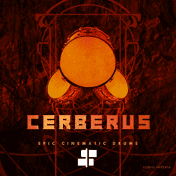
Cerberus is the fastest route to a modern, hard-hitting cinematic low end. It was built from three drummers each striking two drums at once, then stacked into a six-voice ensemble, so one keypress lands like an army of players. Seven mic positions and a clean sound-shaping panel take it from tight and punchy to enormous. Reach for it when you want aggressive, stacked epic drums for trailers and action — and because it’s voiced for notation, it drops straight into MuseScore Studio.
3. CinePerc


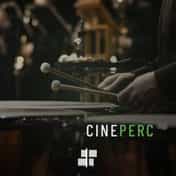
CinePerc is the all-in-one option: a mammoth collection spanning the traditional orchestral battery, a range of world percussion, and larger-than-life sound-design hits. Because it covers the concert section and the cinematic ensembles in one library, it’s the “instant Hollywood sound” many composers reach for first — recorded on a scoring stage, so parts sit in a mix with little work. It’s paid and sizeable, and the strongest single choice when you want classical and cinematic percussion under one roof.
4. Berlin Percussion


Berlin Percussion is the detailed classical battery — the rhythmic foundation of Orchestral Tools’ acclaimed Berlin Series. It gives you a full set of pitched and unpitched orchestral percussion, with a choice of sticks and playing techniques and a dynamic range that runs from a delicate triangle to a thunderous tam-tam. It’s paid, and the pick when you’re writing a concert or film score that needs an authentic, controllable orchestral section rather than trailer bombast.
5. Muse Percussion

Muse Percussion is the standout free option: 28 deeply sampled orchestral instruments, from a delicate glockenspiel and xylophone up to thunderous taikos and tam-tams. It covers the whole classical battery with a clarity that used to cost real money, and because it’s a MuseSounds library it plays in MuseScore Studio, the free notation software, installed in one click through the free MuseHub app. For a composer writing in notation, it’s the easiest way to hear a real percussion section under a score at no cost.
6. LA Modern Percussion

LA Modern Percussion chases one thing: the blockbuster sound of a modern film score. It was recorded and mixed by Alan Meyerson — the engineer behind many of the biggest Hollywood scores — at the Warner Bros. Eastwood Scoring Stage, so the room and the mix are already cinematic before you play a note. That makes it the pick when you want high-impact, ready-to-drop epic percussion without hours of mixing. It’s paid, and voiced for MuseScore Studio like the other MuseHub libraries.
7. Spitfire Hans Zimmer Percussion
Hans Zimmer Percussion is Spitfire Audio’s flagship, curated with the composer himself and recorded at AIR Studios with a large ensemble of players. Its signature is scale and depth — the sound of many drummers in a big room, captured with multiple mic positions for widescreen weight. It’s a paid Kontakt library aimed at composers who want a recognizable, top-tier blockbuster ensemble, and Spitfire’s own Percussion and budget Originals ranges cover the same ground with fewer options.
8. EastWest Hollywood Percussion
EastWest Hollywood Percussion is the percussion half of the Hollywood Orchestra — a detailed classical battery recorded in EastWest’s Los Angeles studio, built to match the strings, brass and woodwinds of the same series. For pure trailer energy the company’s Stormdrum 3 is the cinematic sibling. Native Instruments’ Action Strikes takes a different tack, playing pre-performed ensemble patterns you trigger live rather than single hits — quick for a demo, less flexible for a written part. All are paid, Kontakt-based libraries.
9. Muse Drumline

Muse Drumline is a free marching drumline recorded with The Blue Devils, one of the most decorated drum corps in the world. You get snares, multi-tenors, tonal bass drums and marching cymbals, with several stick and mallet options, all captured in a pro studio. Marching percussion is its own discipline — the snares are tighter and the ensemble tuned differently from an orchestral section — and this covers it convincingly for free. Like the other Muse libraries, it plays in MuseScore Studio through MuseHub.
10. Virtual Drumline

Virtual Drumline from Tapspace is a long-standing industry standard for marching percussion, and this MuseSounds edition brings its core drumline to MuseScore Studio. Recorded with the world-champion Santa Clara Vanguard, it packs the snares, tenors, basses and cymbals a drumline needs, with the articulations — rolls, rim shots, cymbal crashes — that make a written cadence read as real. It’s paid, and the step up from Muse Drumline when you’re writing serious drumline or drum-corps arrangements and want deeper detail.
Best free percussion VST
You can score real percussion without spending anything. Muse Percussion covers the classical battery (timpani, snare, mallets, cymbals) and Muse Drumline covers marching — both studio-recorded, both free, and both playing in MuseScore Studio through the free MuseHub app. In the DAW world the usual free picks are Spitfire LABS Percussion (hits and booms) and the BBC Symphony Orchestra Discover battery. “Free” here means price, not quality: the Muse libraries were recorded in professional studios with named partners. If you’re assembling a whole free setup, our guide to the best free VST instruments covers the rest of the orchestra.
How to choose
Start from the music. Writing a concert or film cue that needs the classical section? That’s a battery library: Muse Percussion for free, or Berlin Percussion and EastWest Hollywood Percussion for more depth. Scoring a trailer or an action sequence? That’s cinematic: Cerberus or CinePerc on MuseHub, or Heavyocity Damage 2. Writing for a marching band or drum corps? That’s drumline: Muse Drumline for free, or Virtual Drumline. Most composers end up with two — a classical battery and one cinematic ensemble — which covers almost everything a score asks for.
Comparison table
| Pick | Type | Price | Best for |
|---|---|---|---|
| Heavyocity Damage 2 | Cinematic/epic (Kontakt) | Paid | Blockbuster trailer impact |
| Cerberus | Cinematic drums | $39.99 | Hard-hitting stacked epic drums |
| CinePerc | Orchestral + cinematic | $59.99 | All-in-one Hollywood percussion |
| Berlin Percussion | Classical battery | $49.99 | Detailed concert/film section |
| Muse Percussion | Classical battery | Free | Free orchestral percussion in notation |
| LA Modern Percussion | Cinematic | $59.99 | Ready-mixed blockbuster sound |
| Spitfire Hans Zimmer Percussion | Cinematic ensemble (Kontakt) | Paid | Big-room signature ensemble |
| EastWest Hollywood Percussion | Classical battery (Kontakt) | Paid | Matching the Hollywood Orchestra |
| Muse Drumline | Marching drumline | Free | Free marching / drum-corps writing |
| Virtual Drumline | Marching drumline | $39.99 | Deeper drumline detail |
FAQ
What is orchestral percussion? Orchestral percussion — the “battery” — is the percussion section of the orchestra: tuned instruments like timpani (kettledrums) and mallets (glockenspiel, xylophone, marimba, vibraphone), plus untuned ones like snare drum, bass drum, cymbals, triangle and tam-tam. A percussion VST samples these so you can write and hear the section without a live player.
What’s the difference between orchestral and cinematic percussion? Orchestral (classical) percussion is the concert battery, written to notation and played with detail and restraint. Cinematic or epic percussion is louder and more produced — big ensembles of toms, booms and taikos built for trailers and action. Berlin Percussion and Muse Percussion serve the first; Cerberus, CinePerc and Heavyocity Damage 2 serve the second. Many composers keep one of each.
Is there a free orchestral percussion VST? Yes. Muse Percussion is a free, studio-recorded orchestral battery of 28 instruments, and Muse Drumline is a free marching library — both play in MuseScore Studio, the free notation software, installed through the free MuseHub app. In the DAW world, Spitfire LABS Percussion and BBC Symphony Orchestra Discover are the usual free picks.
Do I need a percussion library if I already have a drum plugin? Usually yes — they answer different jobs. A drum plugin gives you a kit or electronic percussion for beats and songs; an orchestral percussion library gives you timpani, mallets, cymbals and cinematic ensembles for scores. For kits, beats and electronic drums, see the best drum plugins instead.
Next steps
The MuseSounds percussion libraries play back in MuseScore Studio — how to use MuseSounds in MuseScore Studio covers the setup, and Vienna Symphonic Library on MuseHub lists Vienna Percussion alongside the rest of the Vienna collection.
- Scoring the whole orchestra? Read the best orchestral VSTs.
- Building a setup for free? See the best free VST instruments.
- Want a drum kit, beats or electronic percussion instead? See the best drum plugins.
- Browse studio-recorded orchestral libraries in the MuseSounds catalog.
Muse Percussion and Muse Drumline are free, and Cerberus, CinePerc, Berlin Percussion, LA Modern Percussion and Virtual Drumline are all one click away. Download MuseHub free and score your percussion in MuseScore Studio.