$11.99 $29.99
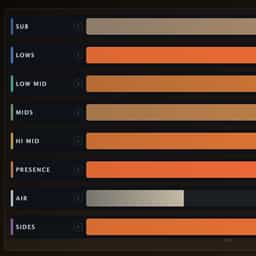
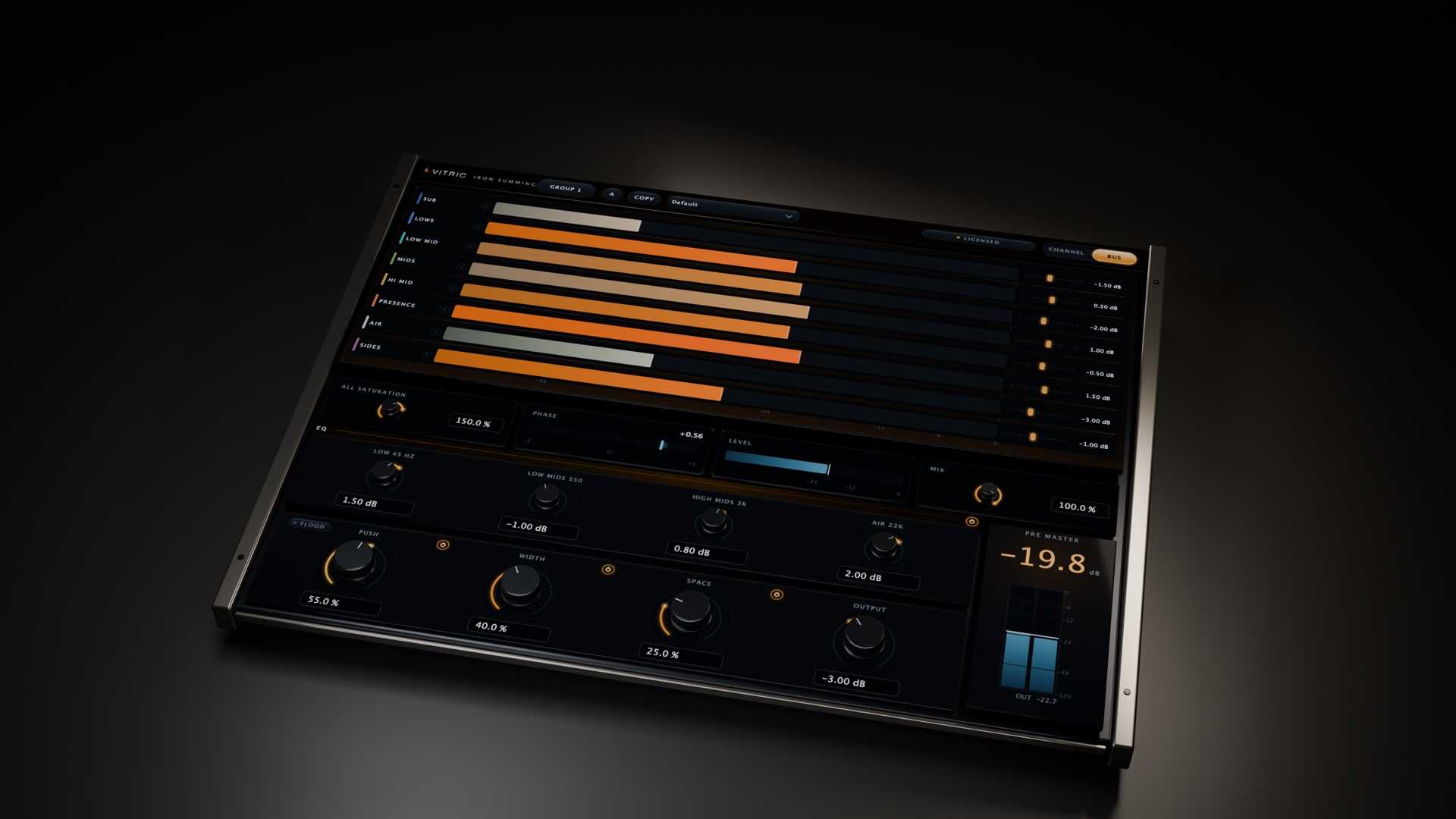
A two-mode summing system: a Channel on every track, a Bus on the master, auto-grouped into one console with live lanes for the whole session. Transformer-style saturation that drives like iron, opto glue with a hard 3 dB cap, and exactly zero samples of latency on every track.
The console, reassembled.
A two-mode summing system: a Channel on every track, a Bus on the master, auto-grouped into one console with live lanes for the whole session. Transformer-style saturation that drives like iron, opto glue with a hard 3 dB cap, and exactly zero samples of latency on every track.
The console, reassembled.
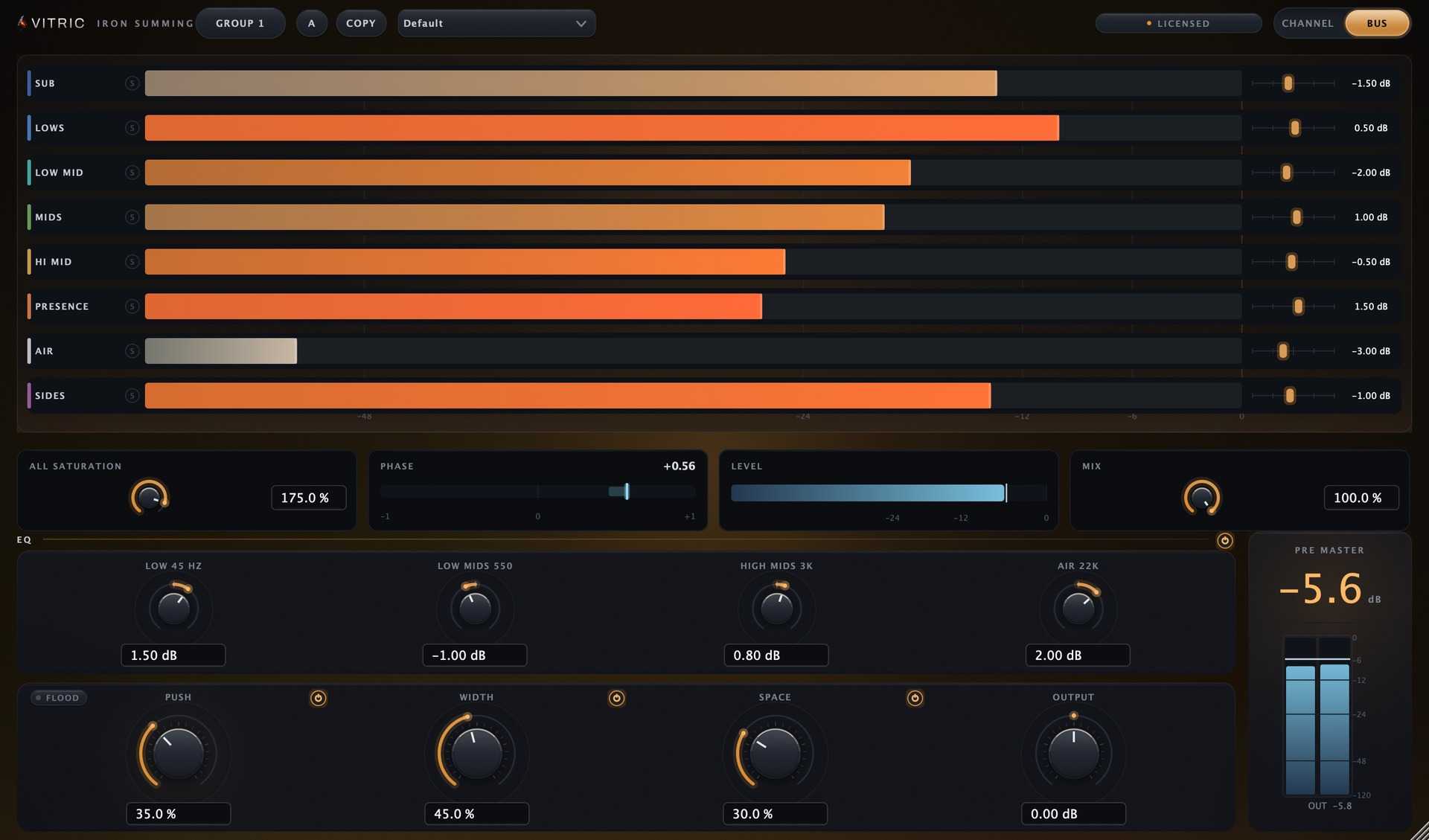
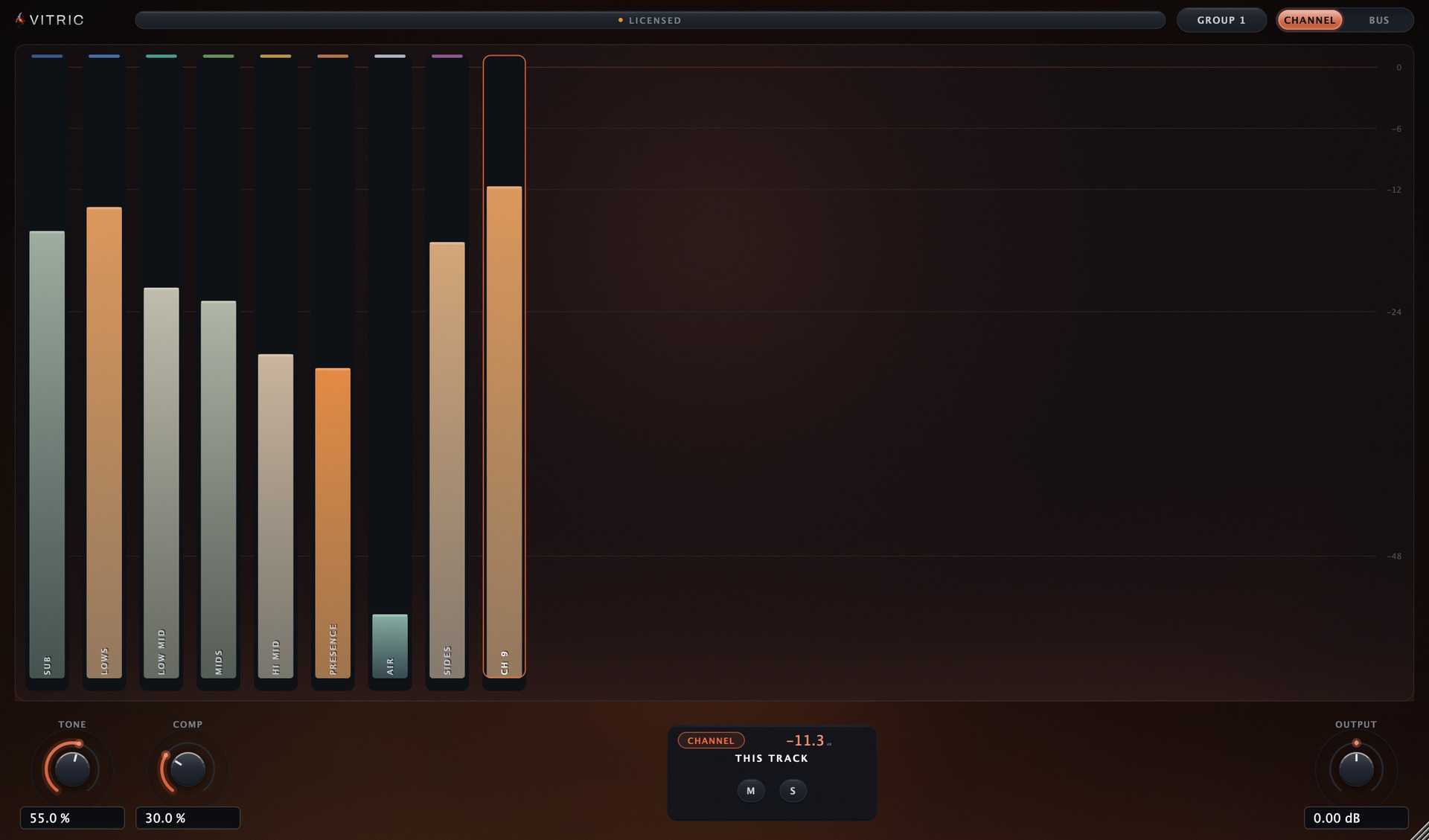
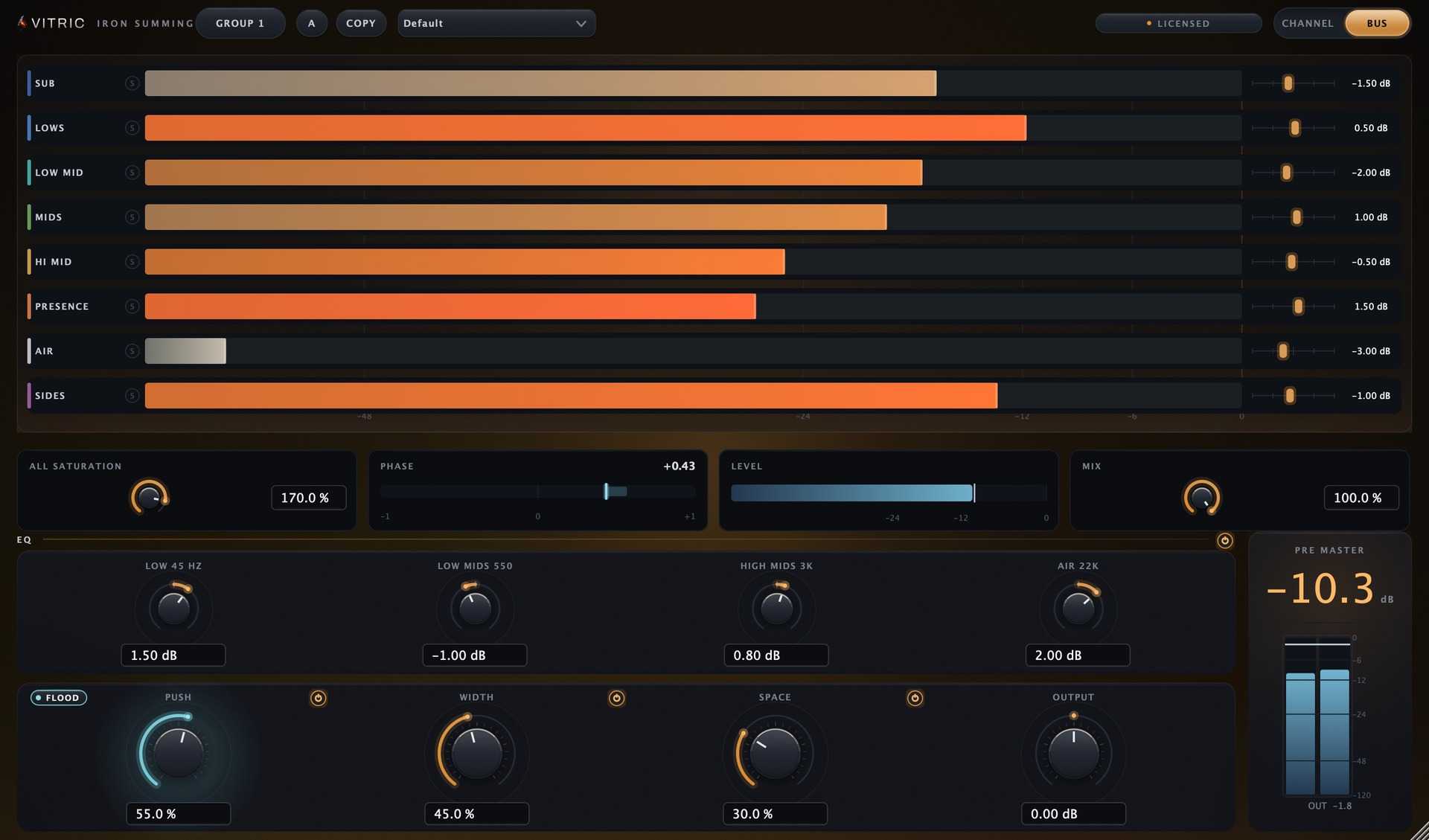
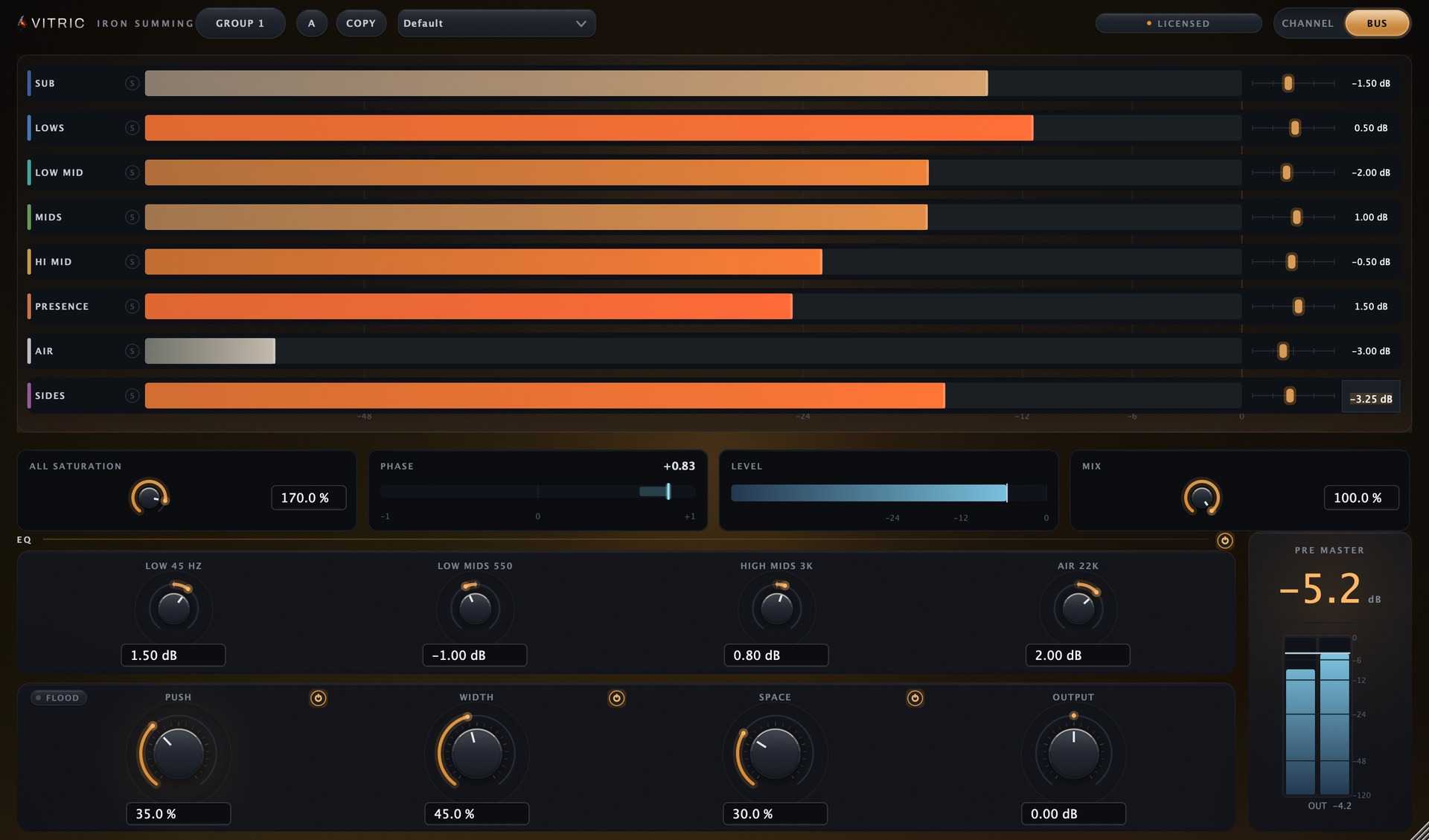
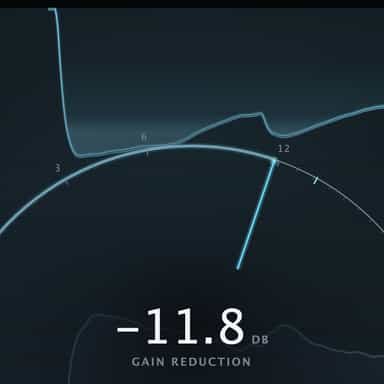
Audio never flows between instances. Each Channel processes its own track and the Bus processes the real summed audio your DAW hands it. What the instances share is control data over a lock-free registry: meters, names, solo state, trims and the one All Saturation control that scales the colour of every track at once. That is why every track runs at exactly zero samples of latency, why nothing smears at a hundred instances, and why a Channel keeps working even when a host isolates plugins into separate processes. Insert the Channel on tracks and the Bus on the master and they find each other with no configuration; groups 1 to 8 run separate consoles in one session. Channel Tone is parallel harmonic injection around an untouched direct path, so there is zero phase shift at any setting. Even-order dominates at nominal level and odd-order arrives as you push, and low frequencies saturate first because drive follows B = V/f, the way flux builds in a core. At Tone 100, a -18 dBFS tone at 50 Hz measures its second harmonic near -55 dB; the same level at 1 kHz measures below -100 dB. Every Channel draws one of 32 fixed console voicings, compiled in, so voicing 12 sounds identical on every machine and saves with the session. Channel Comp is a gentle 1.5:1 into the iron, capped at 6 dB of reduction. Bus Push is opto glue with a hard mathematical cap: gain reduction cannot exceed 3.0 dB on any material, approached asymptotically, with a slow program-dependent attack and a fast release, so the first 5 ms of a hit leaves the plugin at full level or louder. Flood flips the same detector upward, so loud passages bloom instead of being held, the lift matching the cut to 0.01 dB and gliding through zero click-free. Bus Width is mid/side depth ahead of the harmonic stage: the mid is never processed, side content below 130 Hz is never widened, and four self-calibrating bands above it add at most 2 dB each. Bus Space generates even-order products from the lows and odd-order from the highs, seeded per instance and identical on recall. Bus EQ is four wide console curves: a 45 Hz shelf, proportional-Q bells at 550 Hz and 3 kHz, and air voiced at 22 kHz, plus or minus 6 dB and within 0.3 dB of the documented curves at every sample rate. The metering is honest: a real stereo correlation from -1 to +1, the summed level arriving before the master section, and an output meter to -120 dB. There is no noise generator and no crosstalk faking. Nothing is random between recalls, so a mix reopened next year nulls against itself, and at Tone zero a Channel is bit-transparent. Measured at 48 kHz with 512-sample blocks: 0.06 percent of one core per Channel and 0.38 percent for the Bus, so a 64-Channel session spends about 4.4 percent. Iron Summing has no oversampling, no lookahead and no linear-phase filters, and it does not route audio between instances. If your work needs those, this is not the console for that part of it. Built and used at a working recording studio.
Not enough reviews yet