How Moonlight Empire made ‘Moonoir’ with MuseHub and Audacity
When independent artist Aydar Faretdinov set out to make his debut album, Moonoir, under the name Moonlight Empire, he brought inspiration rather than formal training — the atmospheric elegance of Yello, Sade and Sting — and the challenge every self-producing artist meets: turning that inspiration into a polished record without drowning in the technical side of production.
This is a case study in the concrete sense: the plugins and instruments Aydar used, what each one did on the record, and why the tools being one click away mattered.




From inspiration to realization
Aydar’s vision for Moonoir was ambitious: cinematic soundscapes, emotional depth and modern production in one coherent record. A traditional studio setup, with its cost and complexity, is the usual barrier for an independent musician. Instead, Audacity handled editing, EQ and pre-mastering, and MuseHub supplied — by his estimate — around three quarters of the instruments and effects he needed.
“MuseHub became more than just a plugin platform. It became the creative partner that filled in the gaps between inspiration and realization.” — Aydar Faretdinov
The tools that shaped Moonoir
Shaping sound and energy
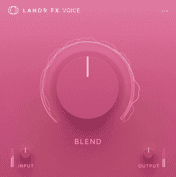
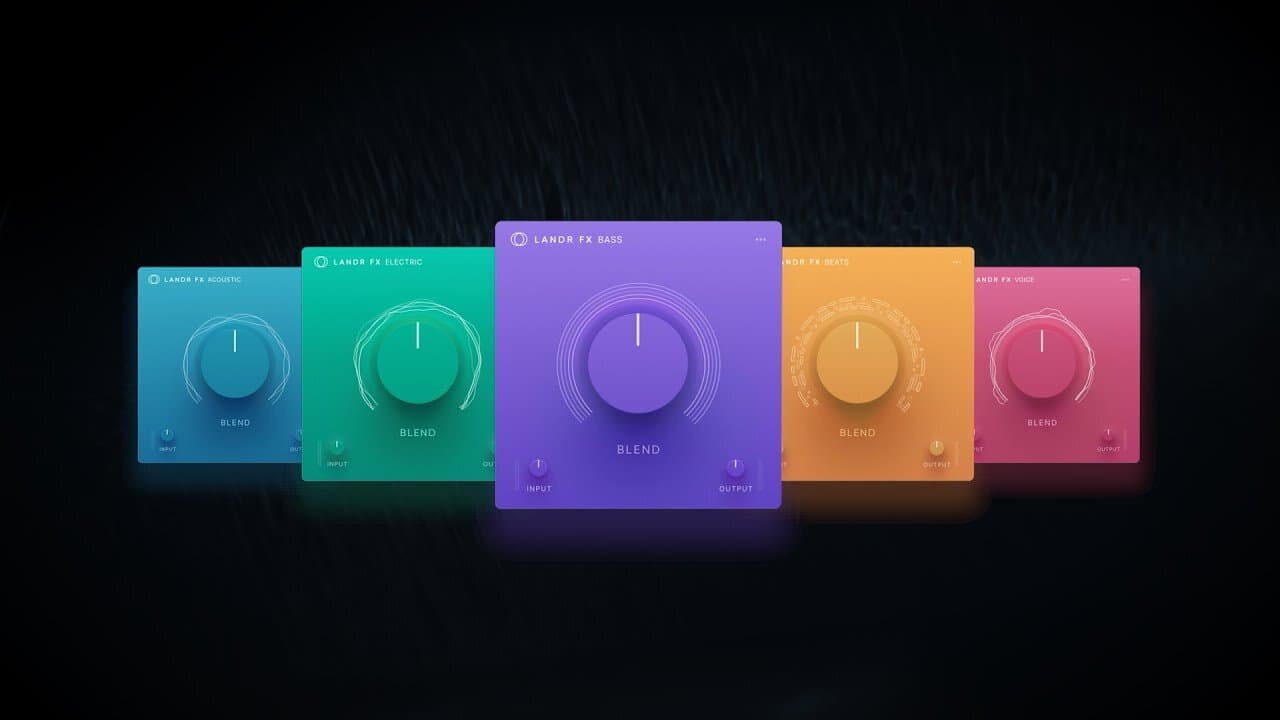
- LANDR FX Voice and the rest of the LANDR FX family gave immediate control over bass, beats and vocals — three controls per plugin, each tuned to its source. Read the LANDR spotlight for why they are built that way.
- AmpKit covered guitar tones from warm and delicate to raw and energetic.
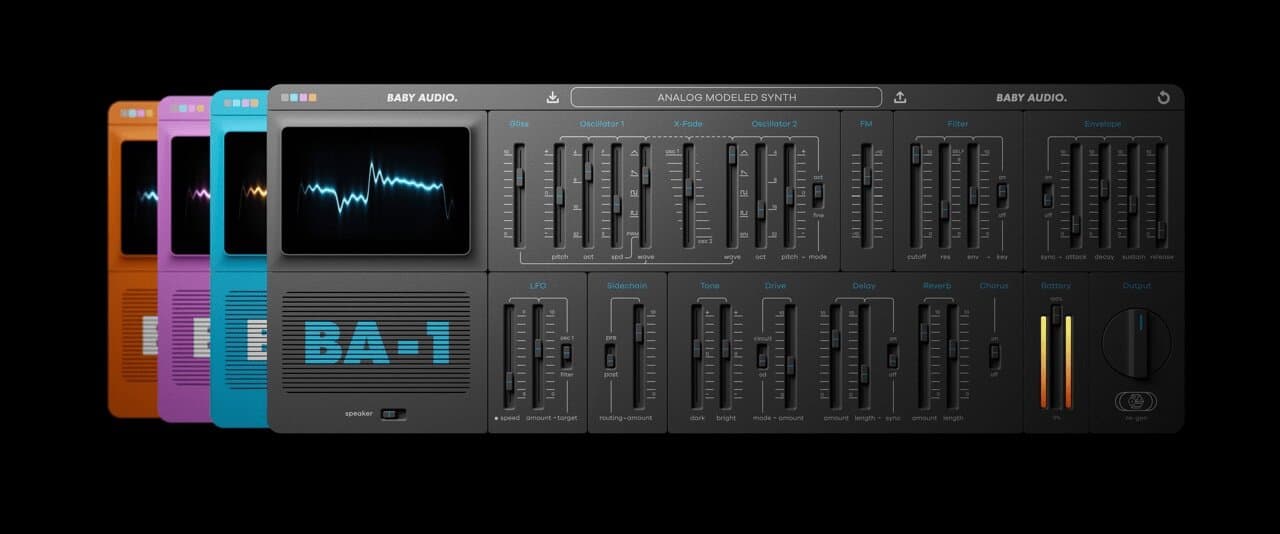
- UBERLOUD and BA-1 added modern punch and vintage color where a moment demanded power and presence.
Crafting balance and atmosphere
- Polyspectral MBC, a multiband compressor, kept the balance across frequency bands so every instrument stayed audible and defined.
- Crystalline added spacious, shimmering reverb for the record’s immersive soundscapes.
- Panagement 2 placed sounds in a three-dimensional space, making songs feel expansive.
Adding emotion and soul
- Vienna Piano anchored tracks with emotional weight.
- Vintage Keys brought warmth and nostalgia.
- VOXOS Epic Choirs added a haunting, cinematic choral layer.
These three are MuseSounds libraries, which play back inside MuseScore Studio rather than as DAW plugins — how to use MuseSounds in MuseScore Studio explains the workflow.
Exploring the future of sound
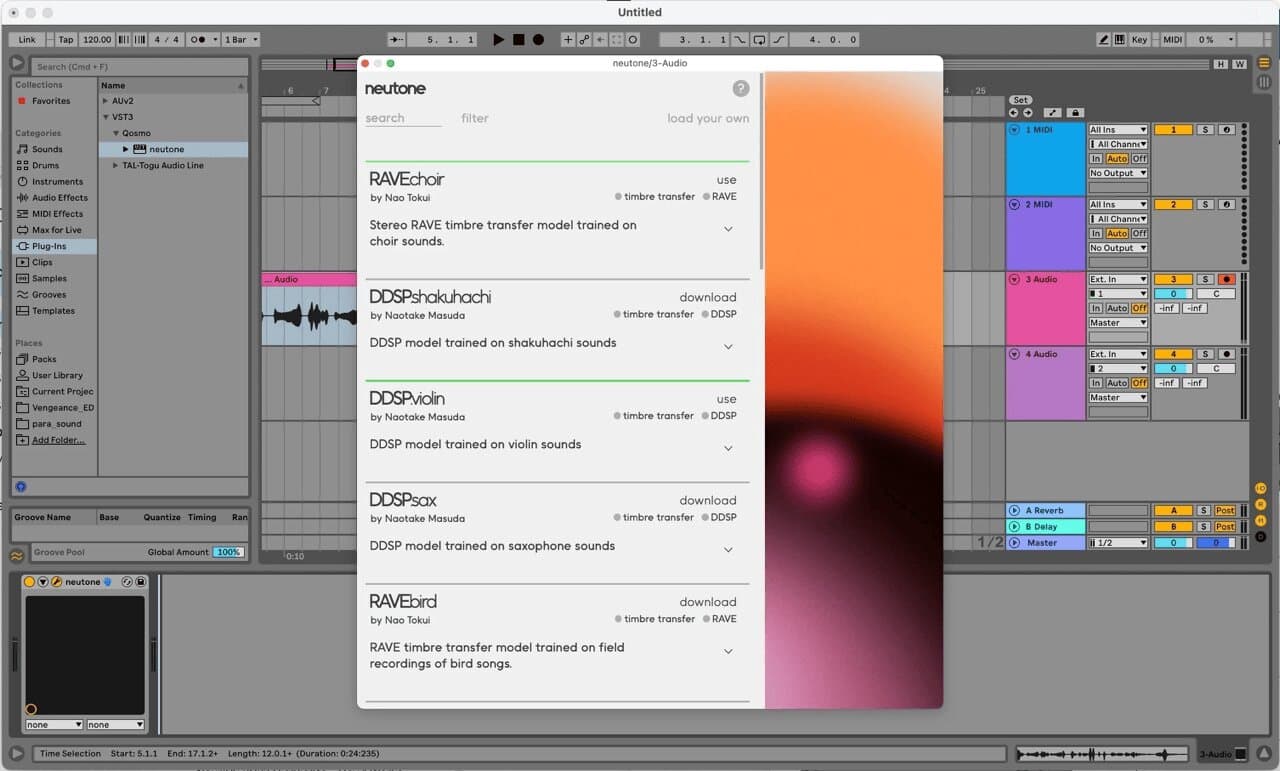
- Neutone FX pushed boundaries with AI-driven textures, adding layers Aydar had not imagined.
- Renegate provided precise gating so the final production stayed clean.
The power of accessibility
What made these tools transformative was not only their quality but how easy they were to get. MuseHub, Audacity and the wider Muse Group ecosystem — MuseScore Studio included — cover the path from first demo to final master, and install from one place.
For decades, producing an album required an expensive studio and exclusive equipment. Today a musician with an idea can reach the same tools that shaped Moonoir, many of them free.
“MuseHub and Audacity weren’t just accessories to the process; they were the foundation of it.” — Aydar Faretdinov
Listen to Moonoir
Next steps
If you are producing your own record, how to mix music yourself and how to master a song cover the two stages Aydar handled in Audacity, and the best free VST plugins shows how far a zero budget goes. Get the tools from this article in one place — download MuseHub free.